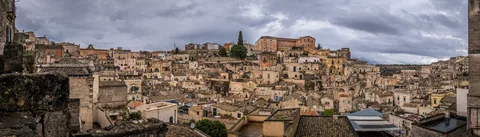
Photo: Giuseppe Milo · Wikimedia Commons · CC BY 3.0 · Resized and converted to WebP.
The Sassi, Murgia and local bread: explore a city through architecture, nature and everyday life.
Read the guide →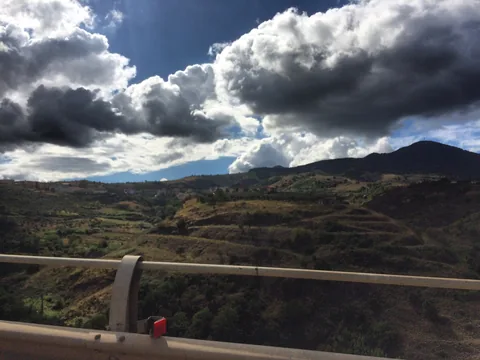
Photo: Gianmarco Tirico · Wikimedia Commons · CC BY-SA 4.0 · Resized and converted to WebP.
Monticchio lakes, Rionero and wine culture: explore Vulture beyond a single tasting.
Read the guide →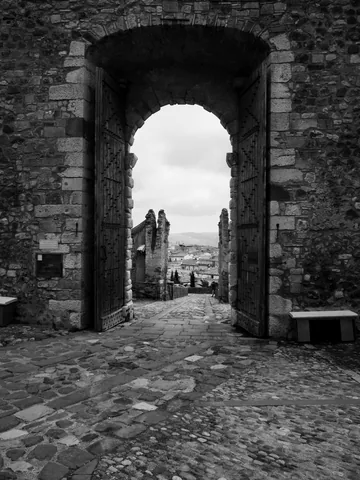
Photo: Parisma62 · Wikimedia Commons · CC BY-SA 4.0 · Resized and converted to WebP.
Medieval heritage, archaeology and marroncino chestnuts: Melfi as a cultural chapter of Vulture.
Read the guide →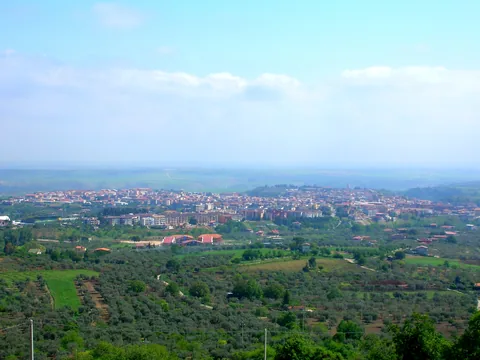
Photo: D.N.R. · Wikimedia Commons · CC BY-SA 3.0 · Resized and converted to WebP.
Venusia, the unfinished church and the castle: connect history and food in Vulture-Melfese.
Read the guide →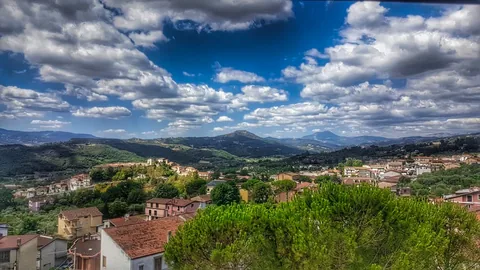
Photo: Fabio742008 · Wikimedia Commons · CC BY-SA 4.0 · Resized and converted to WebP.
The town, Peperone di Senise IGP and the Sinni valley: understand a place through an ingredient.
Read the guide →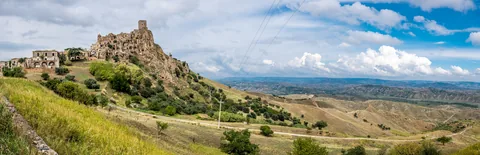
Photo: Giuseppe Milo · Wikimedia Commons · CC BY 3.0 · Resized and converted to WebP.
An abandoned town among clay hills: landscape and memory beyond the photograph.
Read the guide →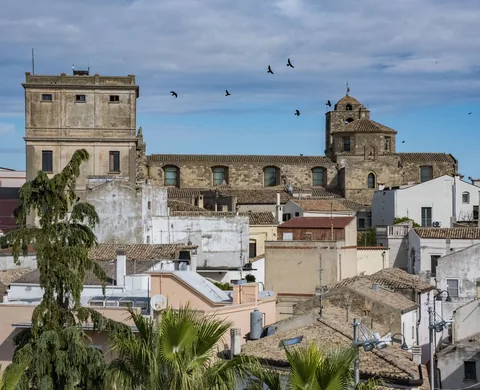
Photo: Cinzia astorino · Wikimedia Commons · CC BY-SA 4.0 · Resized and converted to WebP.
The Barons’ Conspiracy, Renaissance painting and the Bradano landscape.
Read the guide →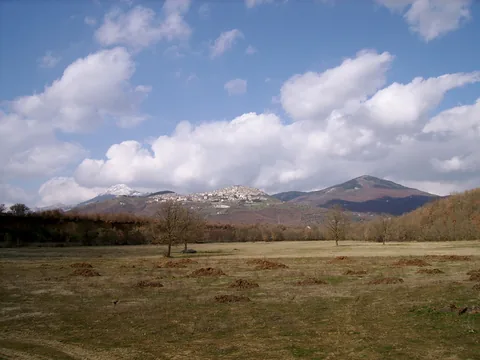
Photo: piervincenzocanale · Wikimedia Commons · CC BY-SA 2.0 · Resized and converted to WebP.
Viggiano: harp, devotion and Val d’Agri.
Read the guide →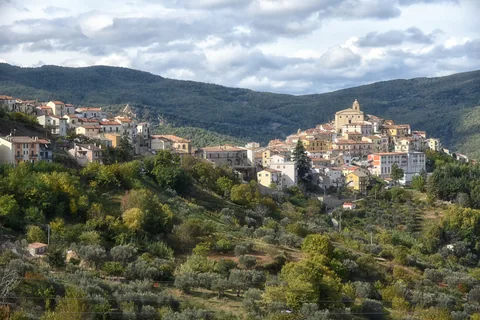
Photo: Anna Nicoletta Menzella · Wikimedia Commons · CC BY-SA 4.0 · Resized and converted to WebP.
Accettura: town and tree rituals.
Read the guide →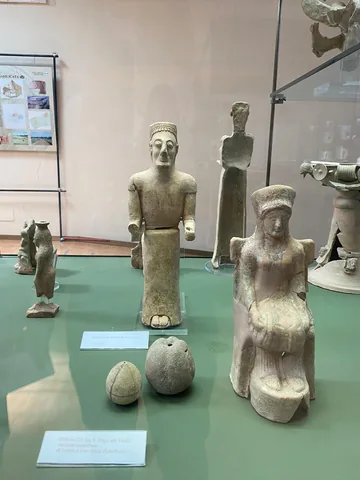
Photo: Damiano157 · Wikimedia Commons · CC BY-SA 4.0 · Resized and converted to WebP.
Metaponto: Magna Graecia on the plain.
Read the guide →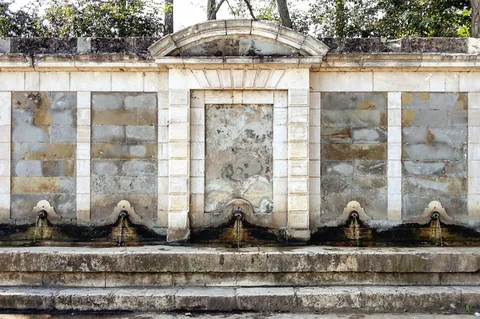
Photo: Fuoco Fatuo · Wikimedia Commons · CC0 · Resized and converted to WebP.
Palazzo San Gervasio: a collection in a small town.
Read the guide →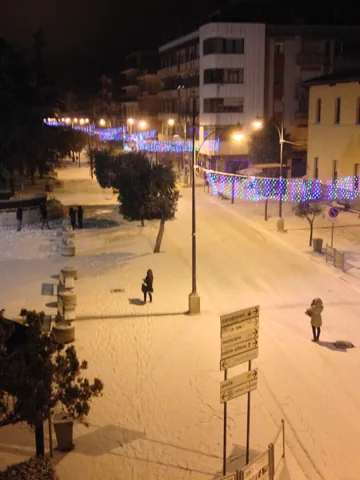
Photo: Biagiofg · Wikimedia Commons · CC BY-SA 4.0 · Resized and converted to WebP.
Lavello: Vulture and agricultural memory.
Read the guide →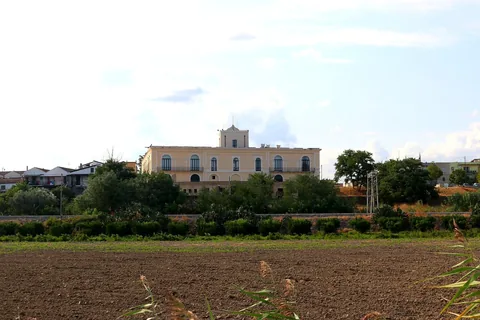
Photo: Mariagrazia Brunetti · Wikimedia Commons · CC BY-SA 4.0 · Resized and converted to WebP.
Scanzano Jonico: farmland and coast.
Read the guide →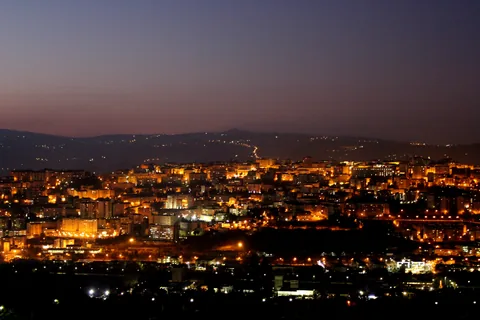
Photo: Antonio Petrullo · Wikimedia Commons · CC BY-SA 3.0 · Resized and converted to WebP.
Potenza: archaeology in the regional capital.
Read the guide →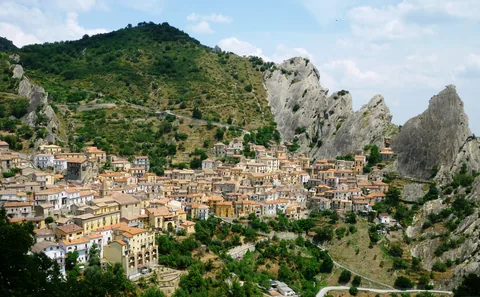
Photo: Jon Shave · Wikimedia Commons · CC BY 2.0 · Resized and converted to WebP.
Castelmezzano: a town among the rocks.
Read the guide →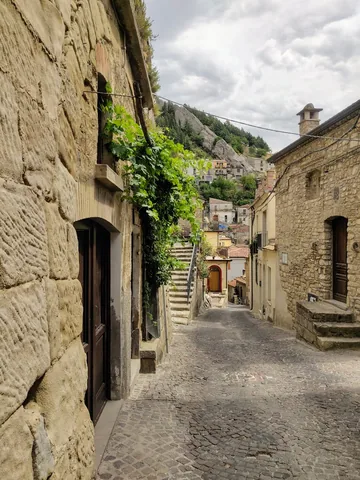
Photo: Camelia.boban · Wikimedia Commons · CC BY-SA 4.0 · Resized and converted to WebP.
Pietrapertosa: the Arabata quarter.
Read the guide →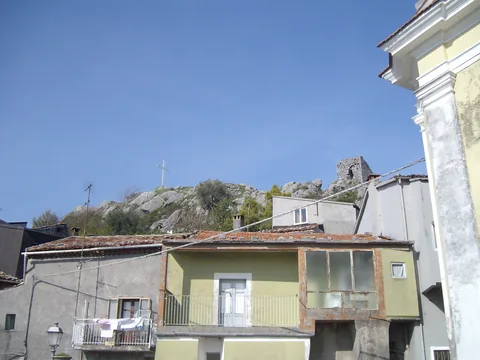
Photo: Luca Raimondi · Wikimedia Commons · CC BY-SA 3.0 · Resized and converted to WebP.
Rotonda: town and Pollino heritage.
Read the guide →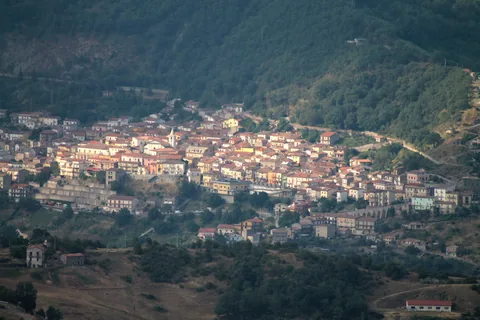
Photo: Alfredo D'Ambrosio · Wikimedia Commons · CC BY 3.0 · Resized and converted to WebP.
Terranova di Pollino: the Lucanian side.
Read the guide →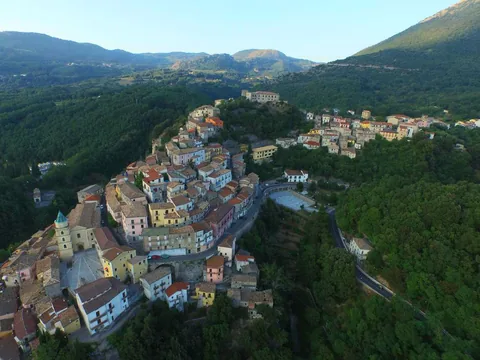
Photo: Millucci0 · Wikimedia Commons · CC BY-SA 4.0 · Resized and converted to WebP.
Viggianello: above the Mercure valley.
Read the guide →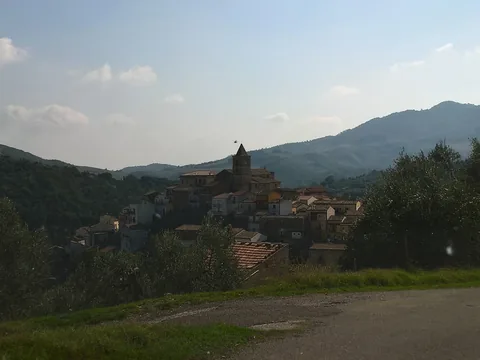
Photo: Asia · Wikimedia Commons · CC BY-SA 4.0 · Resized and converted to WebP.
Oliveto Lucano: wood, stone and Monte Croccia.
Read the guide →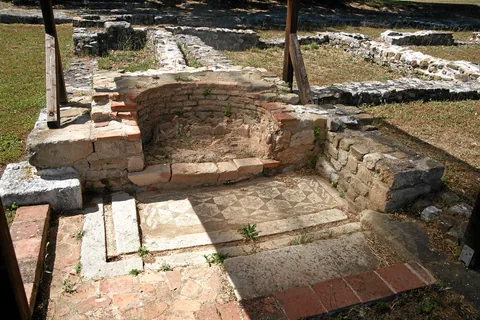
Photo: Mboesch · Wikimedia Commons · CC BY-SA 4.0 · Resized and converted to WebP.
Grumentum: reading a Roman town.
Read the guide →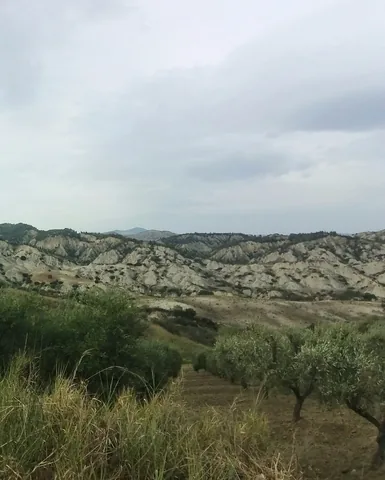
Photo: DinaBenedettoFerrandina · Wikimedia Commons · CC BY-SA 4.0 · Resized and converted to WebP.
A town to read through literature and landscape.
Read the guide →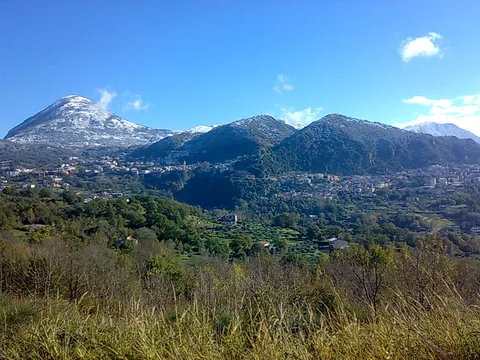
Photo: Gianni Lupindo · Wikimedia Commons · CC BY-SA 2.0 · Resized and converted to WebP.
Neighbourhoods, religious memory and cinema in the Noce Valley.
Read the guide →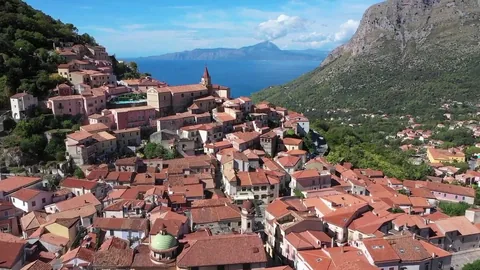
Photo: Luke18389 · Wikimedia Commons · CC BY-SA 4.0 · Resized and converted to WebP.
San Biagio, heritage and the landscape opening Coast to Coast.
Read the guide →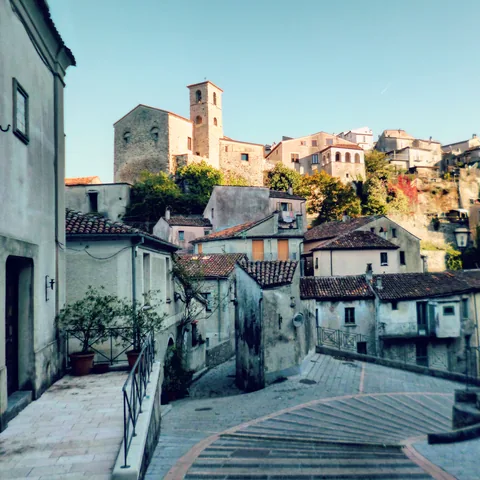
Photo: Fuoco Fatuo · Wikimedia Commons · CC0 · Resized and converted to WebP.
An inland stop near Maratea, combining architecture and rural memory.
Read the guide →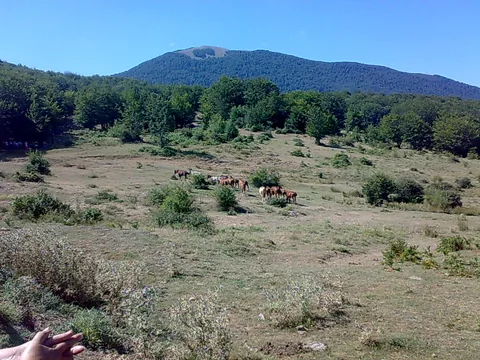
Photo: Gianni Lupindo · Wikimedia Commons · CC BY-SA 3.0 · Resized and converted to WebP.
A mountain landscape shared by Calabria and Basilicata, explored through walks, villages and a considered pace.
Read the guide →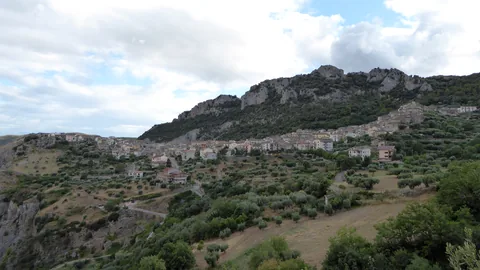
Photo: DonGatley · Wikimedia Commons · CC BY-SA 4.0 · Resized and converted to WebP.
A Pollino village whose architecture and Italo-Albanian culture give the visit a distinct character.
Read the guide →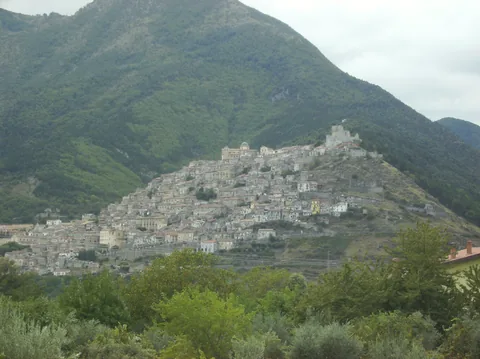
Photo: Pigr8 · Wikimedia Commons · Public domain · Resized and converted to WebP.
A historic hill town to explore on foot and connect with the Pollino landscape.
Read the guide →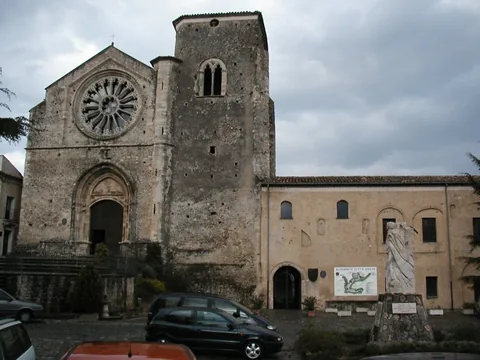
Photo: The original uploader was EdoM at Italian Wikipedia. · Wikimedia Commons · CC BY-SA 3.0 · Resized and converted to WebP.
A Northern Calabria village where artistic heritage and bread culture can share a journey.
Read the guide →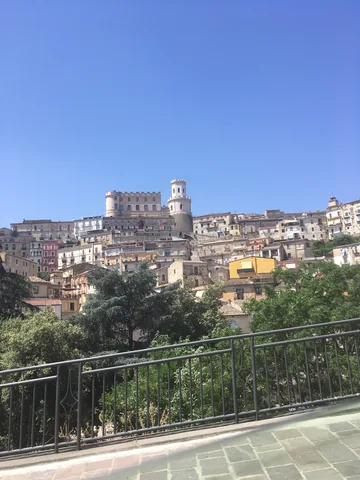
Photo: Marcok/itwiki · Wikimedia Commons · CC BY-SA 4.0 · Resized and converted to WebP.
Historic heritage, liquorice and coast: a connection to develop between inland Calabria and the Ionian Sea.
Read the guide →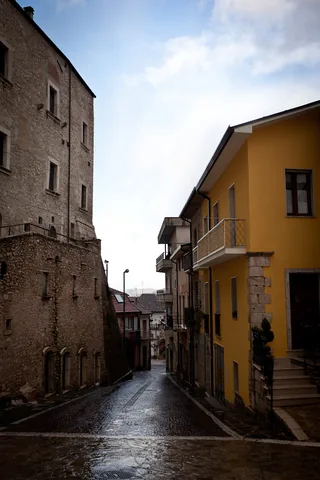
Photo: jimmyweee · Wikimedia Commons · CC BY 2.0 · Resized and converted to WebP.
An Irpinia village from which to develop a journey around wine, heritage and food, with encounters still to be selected.
Read the guide →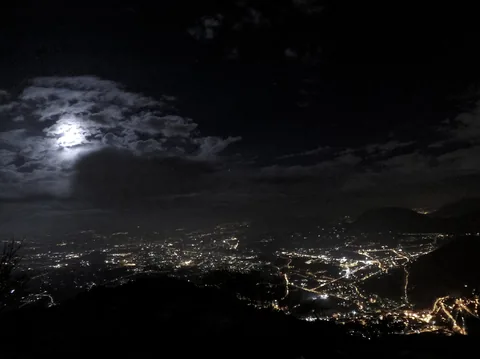
Photo: Francesco Matarazzo · Wikimedia Commons · CC BY-SA 4.0 · Resized and converted to WebP.
The city as an introduction to the territory: its old centre, Museo Irpino and a possible route towards wine country.
Read the guide →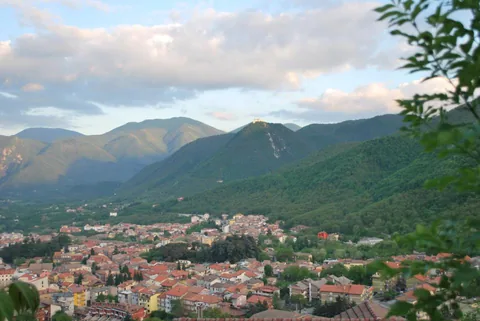
Photo: Mies me at Italian Wikipedia · Wikimedia Commons · Public domain · Resized and converted to WebP.
Chestnuts, heritage and nature as threads of a rural journey, with experiences chosen for the season.
Read the guide →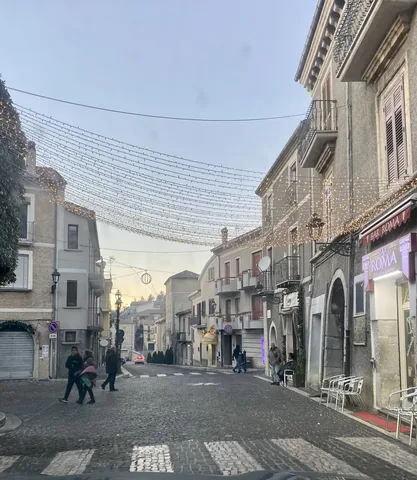
Photo: Corvettec6r · Wikimedia Commons · CC BY 4.0 · Resized and converted to WebP.
A thread connecting village, mountains and truffles: a journey designed around the season rather than a single festival.
Read the guide →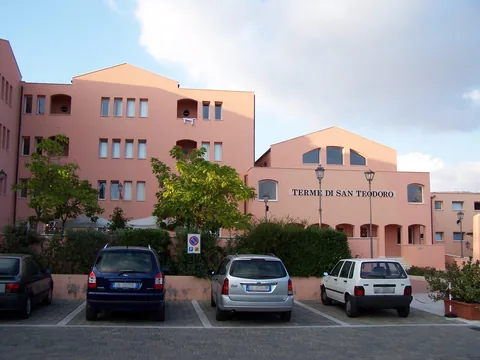
Photo: No machine-readable author provided. Roberto1974 assumed (based on copyright claims). · Wikimedia Commons · Public domain · Resized and converted to WebP.
A small village approached through archaeology and the history of water, with a visit to develop without forcing the route.
Read the guide →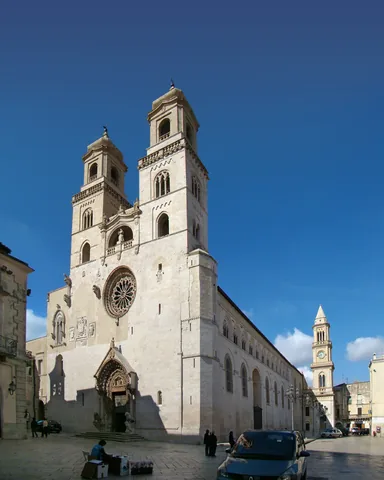
Photo: Tango7174 · Wikimedia Commons · CC BY-SA 4.0 · Resized and converted to WebP.
Bread culture, the old town and the Murgia landscape as the starting point for a journey.
Read the guide →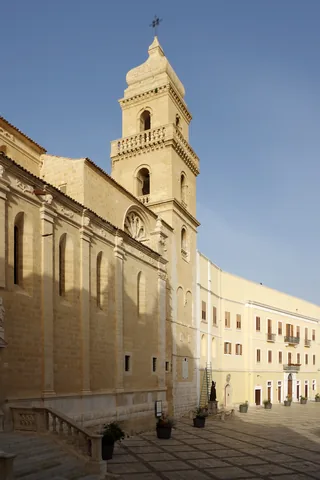
Photo: Berthold Werner · Wikimedia Commons · CC BY-SA 3.0 · Resized and converted to WebP.
Rock-cut neighbourhoods, pastoral history and the relationship between town and landscape.
Read the guide →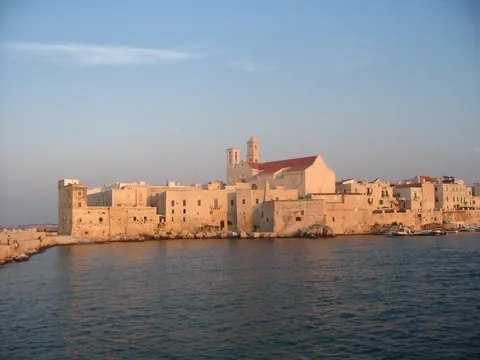
Photo: salviF · Wikimedia Commons · CC BY 2.0 · Resized and converted to WebP.
The old town, harbour and cooking shaped by farming and fishing traditions.
Read the guide →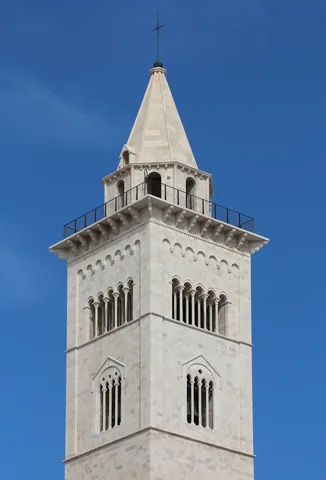
Photo: Bernard Gagnon · Wikimedia Commons · CC0 · Resized and converted to WebP.
Cathedral, castle and Jewish heritage for a coastal ending with cultural depth.
Read the guide →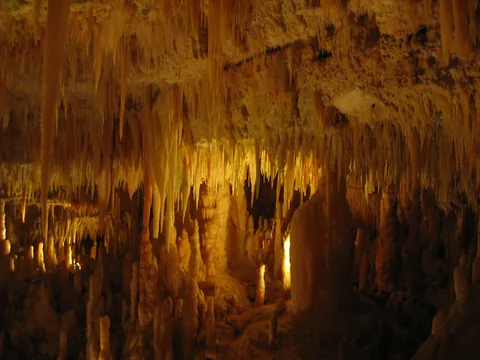
Photo: ReMagio at Italian Wikipedia · Wikimedia Commons · Public domain · Resized and converted to WebP.
Karst, caves and the town within a journey connected to the Itria Valley.
Read the guide →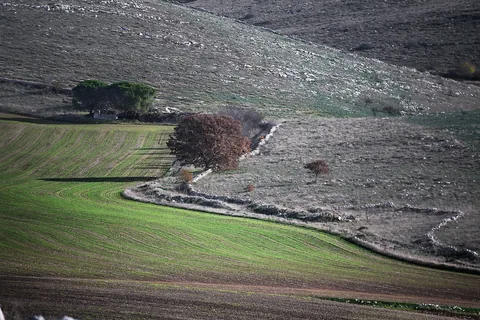
Photo: Acquario51 · Wikimedia Commons · CC BY-SA 4.0 · Resized and converted to WebP.
Stone, pasture and farming to explore the landscape beyond the towns.
Read the guide →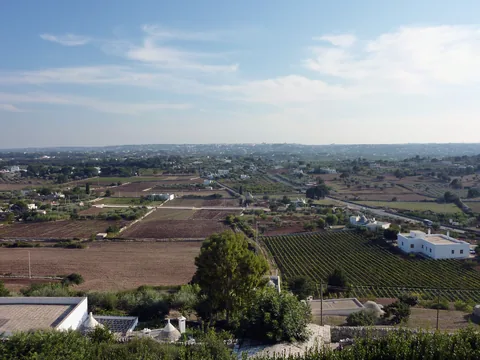
Photo: Adbar · Wikimedia Commons · CC BY-SA 3.0 · Resized and converted to WebP.
Rural architecture, towns and food as parts of the same journey.
Read the guide →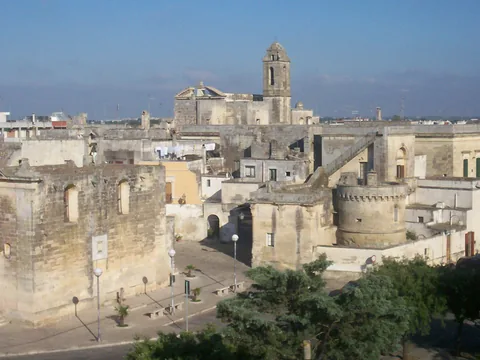
Photo: Freddyballo · Wikimedia Commons · CC BY-SA 3.0 · Resized and converted to WebP.
Courtyards, megalithic heritage and Cistercian culture in Grecìa Salentina.
Read the guide →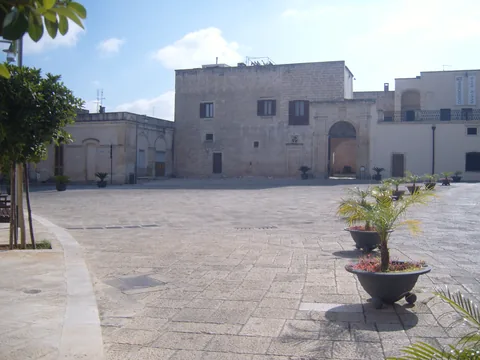
Photo: Freddyballo · Wikimedia Commons · CC BY-SA 3.0 · Resized and converted to WebP.
Rainwater wells, courtyard houses and a partly underground olive mill: water and work in a small Grecìa Salentina town.
Read the guide →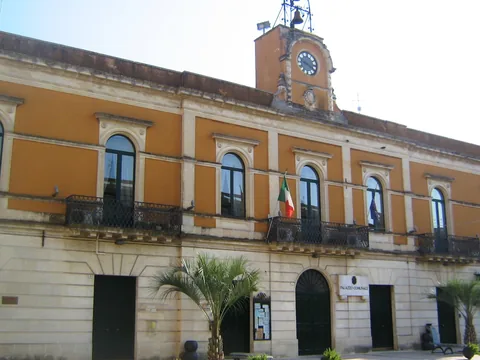
Photo: Lupiae · Wikimedia Commons · Public domain · Resized and converted to WebP.
Griko culture, rural memory and a connection with Athens in inland Salento.
Read the guide →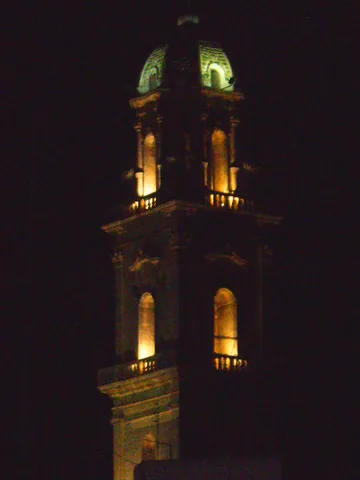
Photo: Freddyballo · Wikimedia Commons · CC BY-SA 3.0 · Resized and converted to WebP.
Grinding stones and presses beneath the town: the Granafei mill and historic centre tell the story of olive oil.
Read the guide →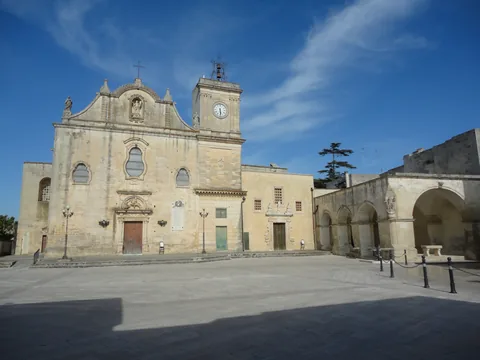
Photo: Lupiae · Wikimedia Commons · CC BY-SA 3.0 · Resized and converted to WebP.
Augustinian heritage and musical culture: Melpignano beyond the night of its major concert.
Read the guide →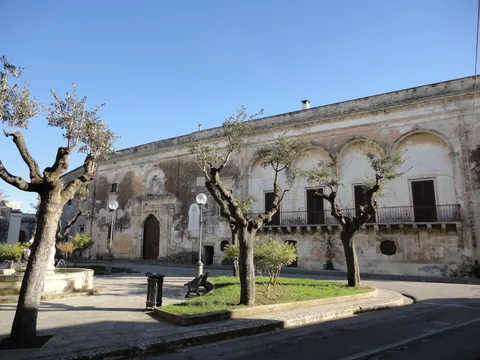
Photo: Lupiae · Wikimedia Commons · CC BY-SA 3.0 · Resized and converted to WebP.
Palazzo Bacile, religious heritage and olive-oil production history in southern Salento.
Read the guide →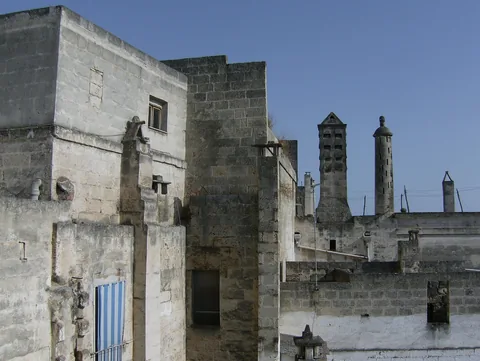
Photo: gunzapper · Wikimedia Commons · CC BY 2.0 · Resized and converted to WebP.
Grottaglie: ceramics and rock.
Read the guide →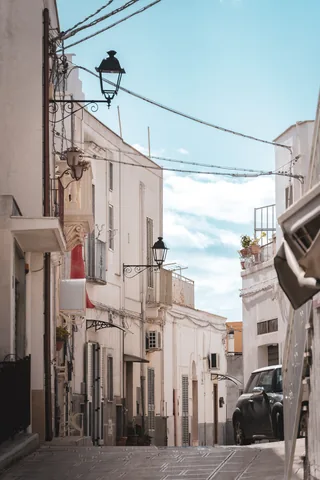
Photo: Azelf Lele · Wikimedia Commons · CC BY-SA 4.0 · Resized and converted to WebP.
Crispiano: farm estates and the Ionian countryside.
Read the guide →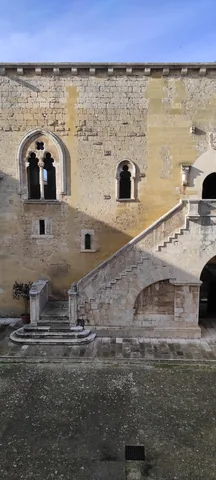
Photo: Frababz85 · Wikimedia Commons · CC BY-SA 4.0 · Resized and converted to WebP.
Gioia del Colle: castle and rural memory.
Read the guide →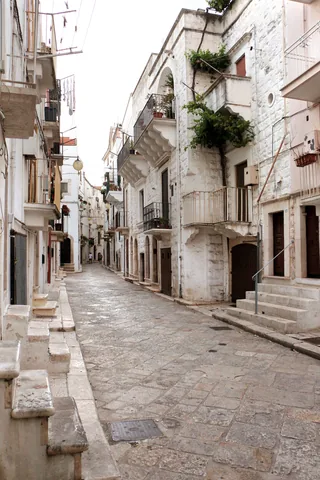
Photo: Sailko · Wikimedia Commons · CC BY 3.0 · Resized and converted to WebP.
Putignano: papier-mâché and town memory.
Read the guide →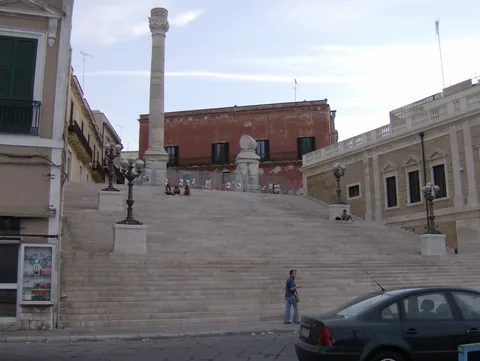
Photo: Io sono l'autore, la scalinata delle colonne. Original uploader was Zappuddu at it.wikipedia · Wikimedia Commons · Public domain · Resized and converted to WebP.
Brindisi: reading the city from its harbour.
Read the guide →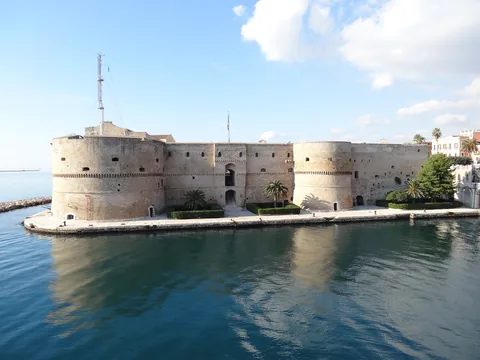
Photo: Livioandronico2013 · Wikimedia Commons · CC BY-SA 3.0 · Resized and converted to WebP.
Taranto: two seas and archaeology.
Read the guide →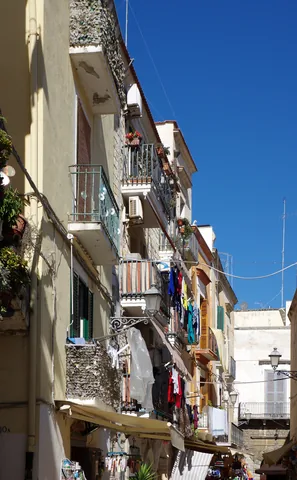
Photo: Berthold Werner · Wikimedia Commons · CC BY-SA 3.0 · Resized and converted to WebP.
The old town as a first encounter with Puglia.
Read the guide →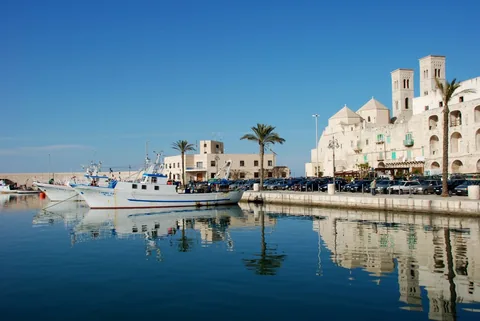
Photo: The original uploader was Michele Zaccaria at Italian Wikipedia. · Wikimedia Commons · CC BY-SA 2.0 · Resized and converted to WebP.
Romanesque architecture and karst landscape beyond the coast.
Read the guide →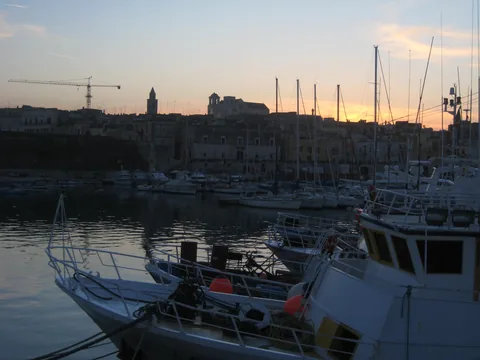
Photo: Geppisimone at Italian Wikipedia · Wikimedia Commons · CC BY-SA 3.0 · Resized and converted to WebP.
From the La Chianca dolmen to the Romanesque town and harbour.
Read the guide →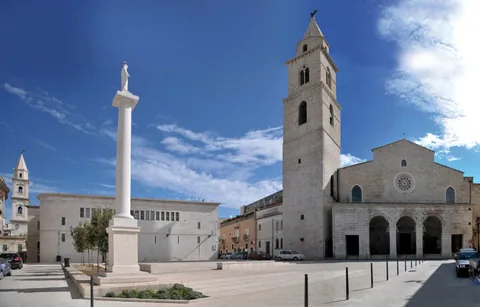
Photo: Marcoleo11 · Wikimedia Commons · CC BY-SA 4.0 · Resized and converted to WebP.
A town worth exploring beyond its famous castle.
Read the guide →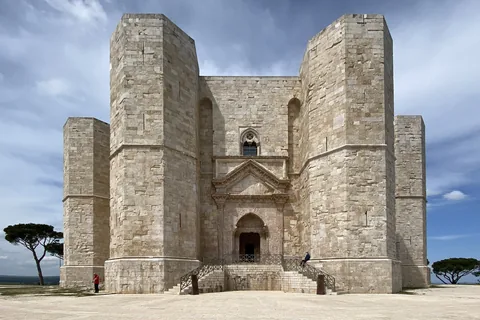
Photo: Bernard Gagnon · Wikimedia Commons · CC0 · Resized and converted to WebP.
Frederick’s architecture within the Murgia landscape.
Read the guide →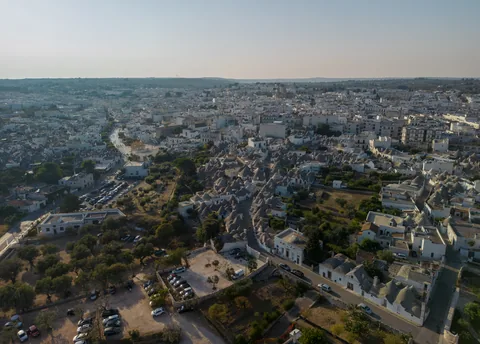
Photo: ParisTaras · Wikimedia Commons · CC BY-SA 4.0 · Resized and converted to WebP.
Trulli through their shape, space and everyday use.
Read the guide →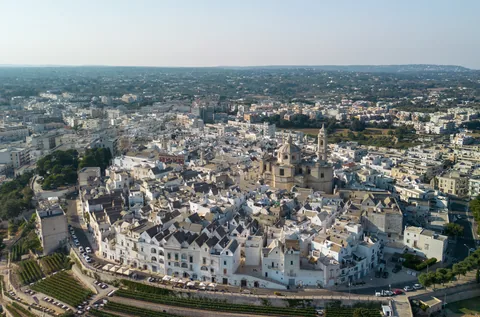
Photo: ParisTaras · Wikimedia Commons · CC BY-SA 4.0 · Resized and converted to WebP.
Cummerse roofs as a way to distinguish the Itria Valley’s towns.
Read the guide →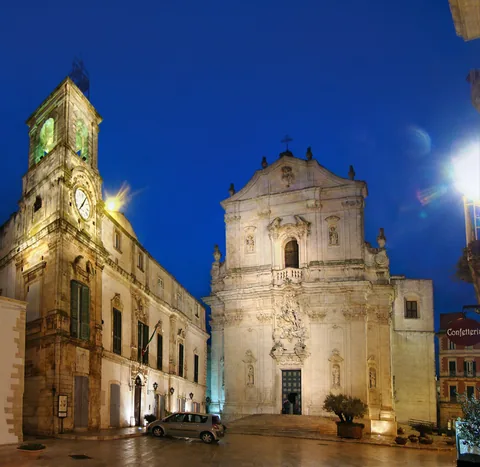
Photo: Tango7174 · Wikimedia Commons · CC BY-SA 4.0 · Resized and converted to WebP.
The town and a food craft connected to its landscape.
Read the guide →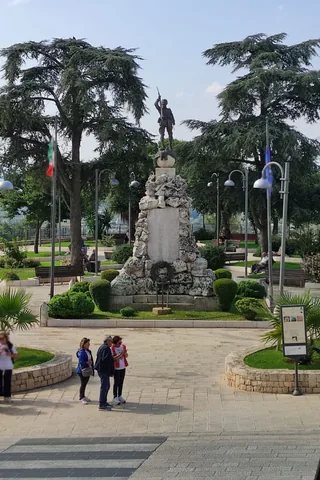
Photo: Kiuz · Wikimedia Commons · CC BY-SA 4.0 · Resized and converted to WebP.
Fornello pronto, bombette and a walk through the town.
Read the guide →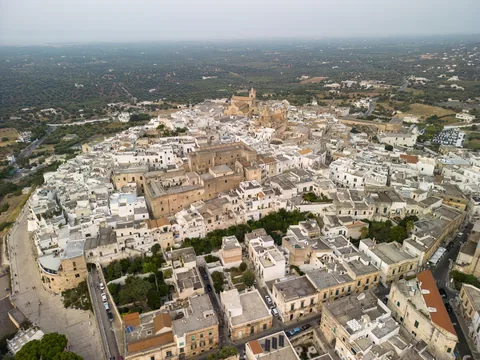
Photo: ParisTaras · Wikimedia Commons · CC BY 4.0 · Resized and converted to WebP.
Houses, steps and agricultural landscape within one visit.
Read the guide →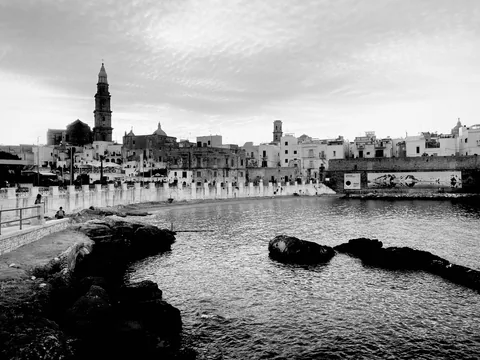
Photo: RaTio65 · Wikimedia Commons · CC BY-SA 4.0 · Resized and converted to WebP.
An Adriatic conclusion connected to the rural landscape.
Read the guide →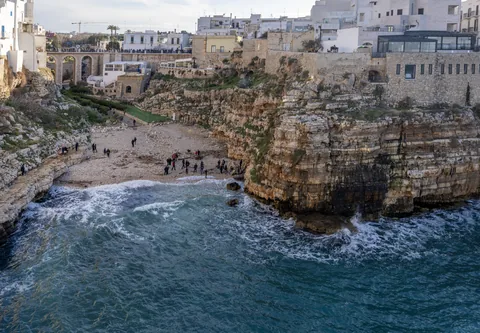
Photo: ParisTaras · Wikimedia Commons · CC BY-SA 4.0 · Resized and converted to WebP.
Old town, viewpoints and a coffee as a travel pause.
Read the guide →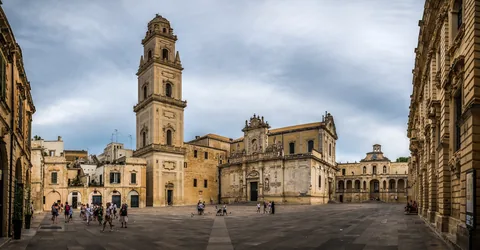
Photo: Giuseppe Milo · Wikimedia Commons · CC BY 3.0 · Resized and converted to WebP.
Baroque architecture, papier-mâché and Salento food: a city of telling details.
Read the guide →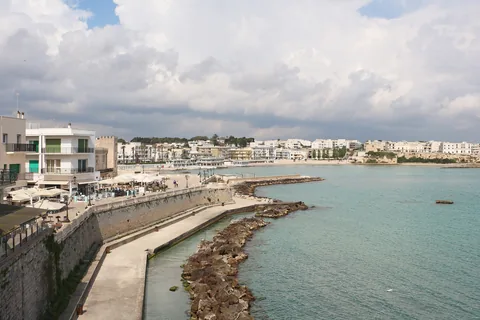
Photo: Bernard Gagnon · Wikimedia Commons · CC0 · Resized and converted to WebP.
The cathedral, Adriatic landscape and time to explore the historic centre.
Read the guide →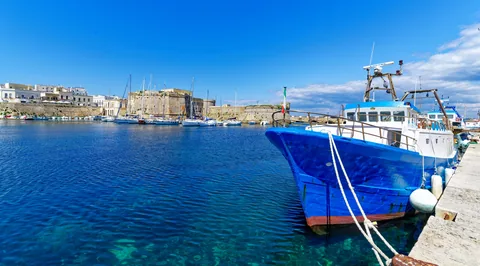
Photo: Holger Uwe Schmitt · Wikimedia Commons · CC BY-SA 4.0 · Resized and converted to WebP.
The bridge, churches and Ionian townscape beyond a beach holiday.
Read the guide →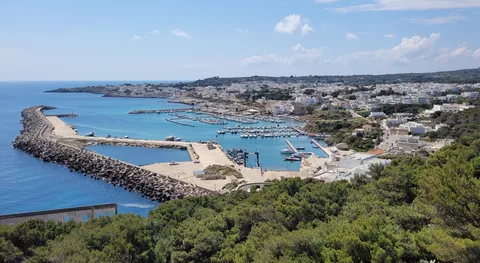
Photo: Bernard Gagnon · Wikimedia Commons · CC0 · Resized and converted to WebP.
The sanctuary, seafront architecture and the outline of the coast.
Read the guide →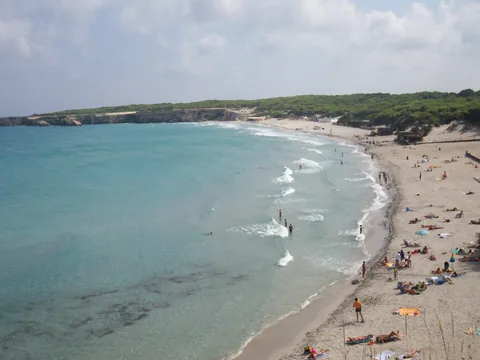
Photo: Freddyballo · Wikimedia Commons · CC BY-SA 3.0 · Resized and converted to WebP.
Sea stacks, pine woodland and a contrast with Melendugno’s inland villages.
Read the guide →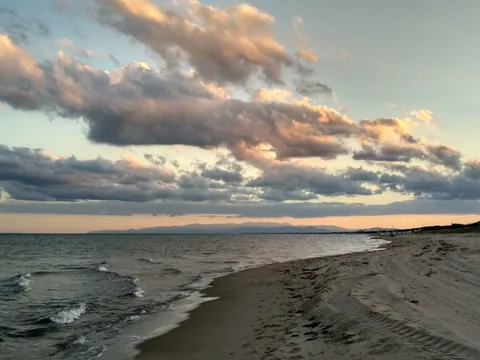
Photo: Archeolucia · Wikimedia Commons · CC BY-SA 4.0 · Resized and converted to WebP.
The historic centre and Rudolph Valentino’s story in inland Puglia.
Read the guide →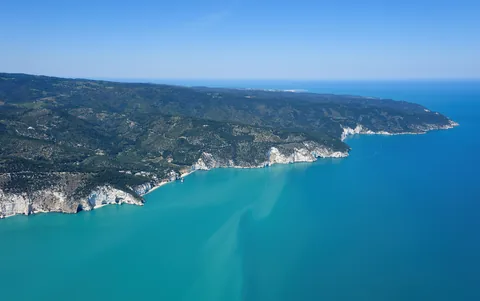
Photo: Carsten Steger · Wikimedia Commons · CC BY-SA 4.0 · Resized and converted to WebP.
Gargano: villages, woodland and coast.
Read the guide →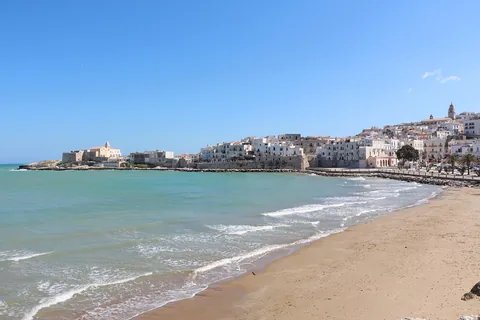
Photo: Bernard Gagnon · Wikimedia Commons · CC0 · Resized and converted to WebP.
Vieste: old lanes and fishing structures.
Read the guide →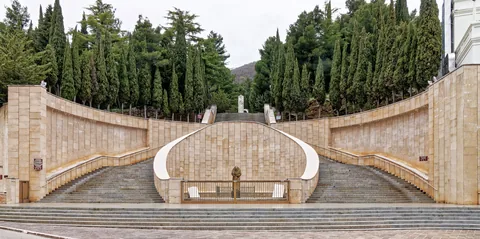
Photo: Holger Uwe Schmitt · Wikimedia Commons · CC BY-SA 4.0 · Resized and converted to WebP.
San Giovanni Rotondo: pilgrimage and town.
Read the guide →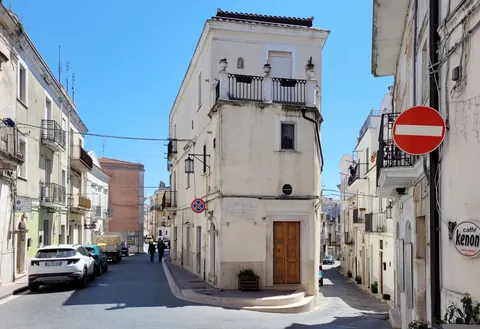
Photo: Bernard Gagnon · Wikimedia Commons · CC0 · Resized and converted to WebP.
Monte Sant’Angelo: the cave and Junno quarter.
Read the guide →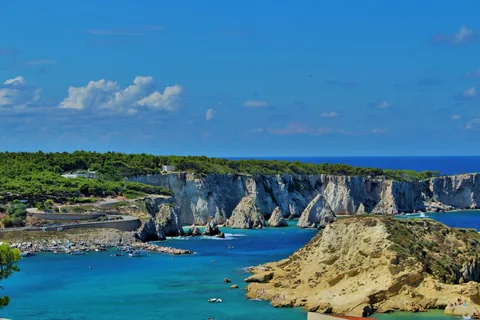
Photo: Sara Caputo · Wikimedia Commons · CC BY-SA 4.0 · Resized and converted to WebP.
Tremiti: San Nicola and the island landscape.
Read the guide →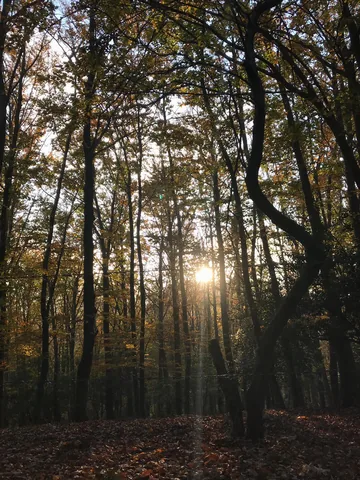
Photo: Francesca Lenoci · Wikimedia Commons · CC BY-SA 4.0 · Resized and converted to WebP.
Foresta Umbra: Gargano beneath the beech trees.
Read the guide →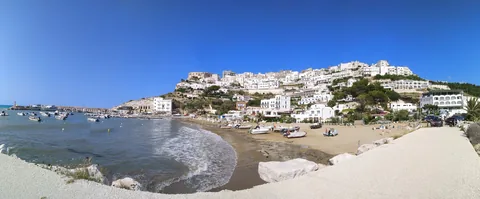
Photo: Giacomo Alessandroni · Wikimedia Commons · CC BY-SA 4.0 · Resized and converted to WebP.
Peschici: the town above the cliff.
Read the guide →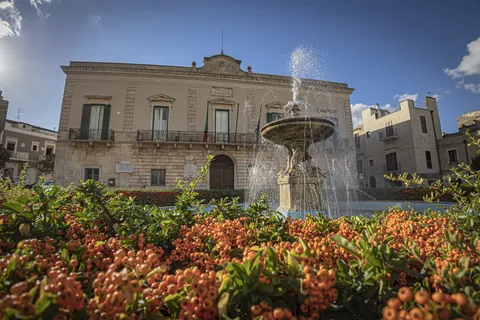
Photo: G.ppe Davide Procacci · Wikimedia Commons · CC BY-SA 4.0 · Resized and converted to WebP.
Santeramo in Colle: details of the inhabited Murgia.
Read the guide →
.jpeg)

.jpg)


.jpg)
.jpeg)


_(2).jpg)


_luglio_2021_f01.jpg)


.jpg)


.jpg)


_-_piazza.JPG)


.JPG)


.jpeg)


.jpg)


