Basilicata / PLACES, FOOD, CULTURE
Vulture: understanding a landscape through wine
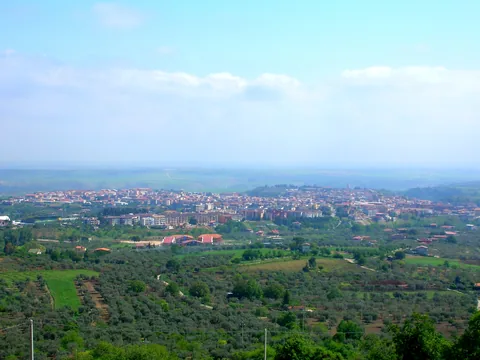
Vulture offers a journey that changes scale: from volcanic landscape to a town, from a museum to wine. Its most rewarding thread is the relationship between nature and work. Give the lakes and wine culture separate moments, complemented by exploring the inhabited landscape.
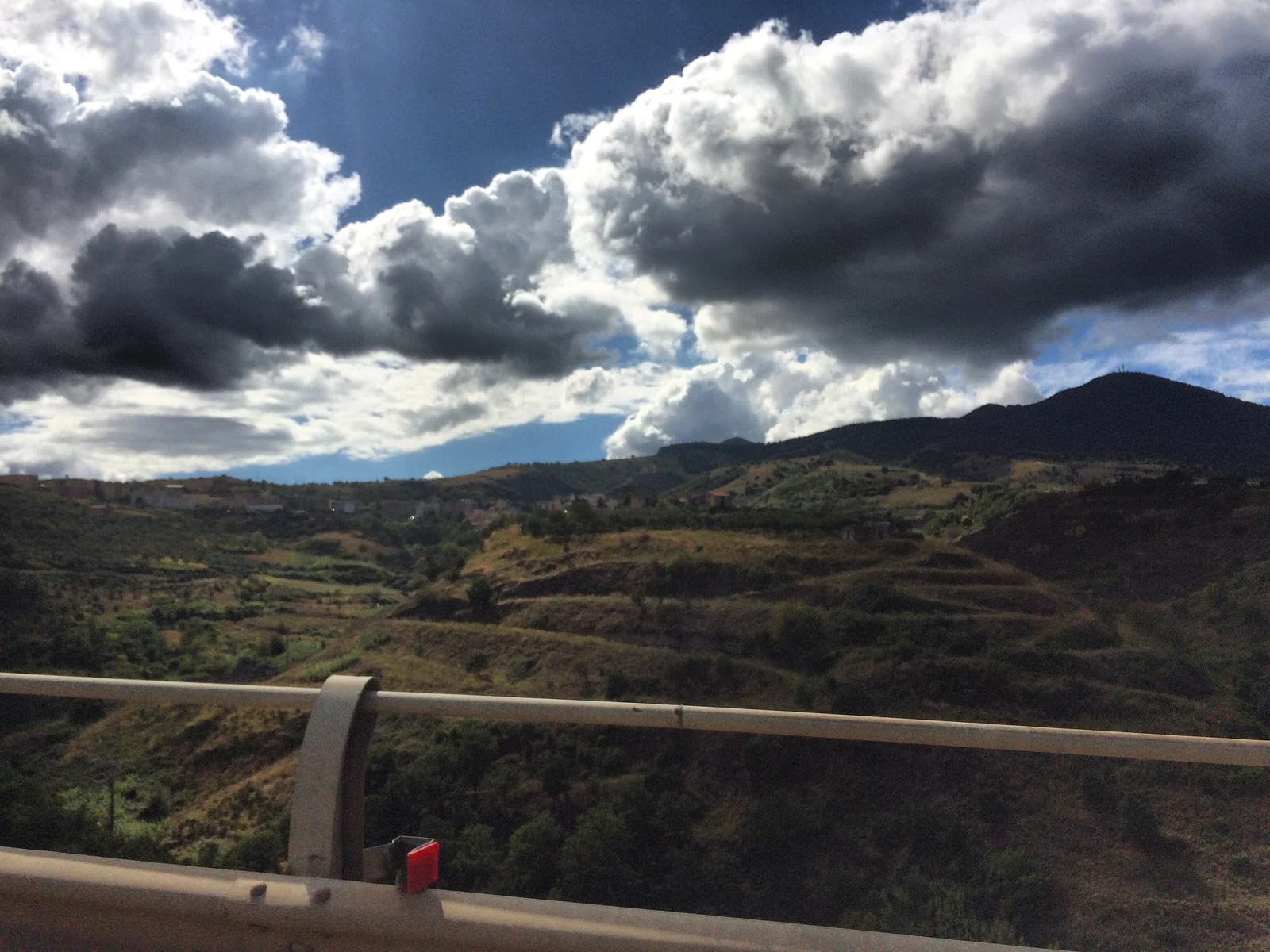
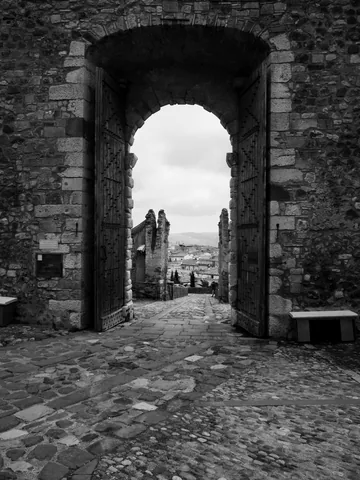
Photo: Gianmarco Tirico · Wikimedia Commons · CC BY-SA 4.0 · Resized and converted to WebP.
Monticchio and its volcanic landscape
Monticchio’s two lakes occupy old craters surrounded by woodland. The Abbey of San Michele Arcangelo overlooks this setting. The park’s territory includes Barile, where caves cut into tuff, called sheshë, are used to store wine. The volcanic landscape thus becomes part of agricultural life.
Sources: Basilicata Turistica — Parco Naturale Regionale del Vulture
Rionero: a stop between history and wine
Rionero is one of the centres of Aglianico del Vulture DOC. Its history connects with Giustino Fortunato and Carmine Crocco, opening a perspective on the nineteenth century and brigandage. Wine is a gateway to a wider territory: exploring the centre adds people and events to the landscape’s story.
A museum to understand what you see
The Vulture Natural History Museum in San Michele Abbey explores settlements and the area’s animal and plant life, including the rare Bramea moth. It offers useful depth for travellers who want to give names and meaning to what they observe outdoors, connecting a view with its natural history.
Sources: Basilicata Turistica — Museo di Storia Naturale del Vulture
Two lakes within an ancient caldera
The Grande and Piccolo lakes occupy Vulture’s former volcanic craters. A channel links the basins, whose levels differ slightly. The park also describes the Piccolo lake’s unusual water structure, where deep and surface waters do not mix. San Michele abbey and the remains of Sant’Ippolito add monastic settlement to the natural reading: another history within the landscape, rather than simply its decoration.
Sources: Ente Parco Vulture — i laghi
A thread through water, woodland and wine
Vulture invites changes of distance: first a view of the basins to understand their shape, then a walk to examine woodland or shoreline detail. A museum can provide words for what you have seen without requiring a complete geology lesson. A food stop continues the thread when wine is not treated as an isolated object: ask how the producer reads the land and makes choices through the year. This kind of visit alternates observation and conversation. For a first stay, give the landscape a legible day rather than compressing lakes, museum, winery and several towns into a few hours. Each experience becomes more memorable when it prepares the next.
A territory to spend time in
Melfi and Venosa turn Vulture from an excursion into a journey. The first brings a castle and archaeological collections; the second introduces further ancient traces and the relationship between monuments and town life. Wine need not be the exclusive subject: it can return after cultural visits, while nature offers a pause between centres. A tailored route can use one base or change overnight locations according to the preferred pace. Food can focus on a few ingredients explained well, leaving room for the people who work with them. This continuity between lake, table and town makes Vulture interesting for Apulica even when the journey includes no beach day.
YOUR JOURNEY
How to shape a journey here
Journey idea: devote a chapter to Vulture’s nature and wine, with Melfi or Venosa providing cultural contrast. Two complementary themes offer more depth than a succession of similar tastings.
Talk to us about it