Puglia / PLACES, FOOD, CULTURE
Otranto: a mosaic between town and coast
Otranto brings together two very different experiences: looking slowly at an artwork and opening your view towards the coast. It deserves more than a quick walk through the centre and a viewpoint. The mosaic can be the reason for visiting, with the sea as its counterpoint.
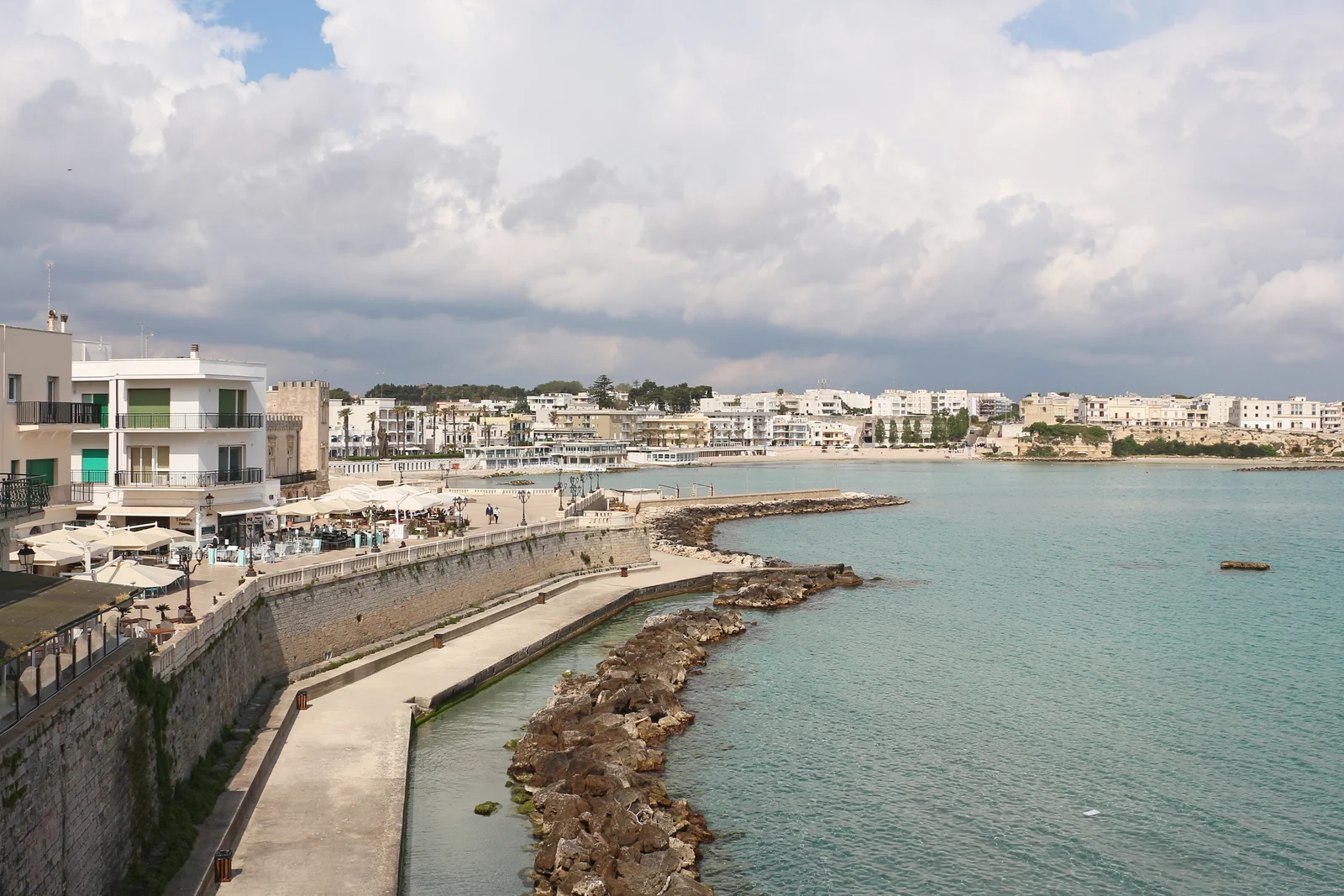
Photo: Bernard Gagnon · Wikimedia Commons · CC0 · Resized and converted to WebP.
A story across the floor
The cathedral was built between 1080 and 1088. Its floor mosaic, created by the priest Pantaleone between 1163 and 1165, extends through the central nave, transept and apse. The images form a narrative of salvation. Taking in the overall design before choosing individual details makes the visit richer than a brief stop beside a famous artwork.
Sources: Arcidiocesi di Otranto — Cattedrale
The coast beyond the town
Punta Palascìa and its lighthouse mark Italy’s easternmost point. Southwards, Torre Sant’Emiliano and the coastal landscape introduce the territory of the Otranto–Santa Maria di Leuca and Bosco di Tricase Regional Natural Park. These landmarks reveal this stretch of the Adriatic through its shapes and places, beyond the idea of a beach.
Beyond the floor: textiles, silver and stone
The archdiocese describes the diocesan museum in Palazzo Lopez through textiles, silver and stone works. These include local-stone altar elements and mosaic finds from cathedral excavations; the Glika stele documents a Jewish presence within the ancient community. Alongside the great mosaic, smaller objects make materials, religious practices and town histories legible.
Look at an artwork beyond a photograph
Let the mosaic anchor the visit without memorising every figure. Notice the overall organisation, then compare two details: a body, an animal or a gesture. A guide distinguishes iconographic reading from personal impression. If selected, the diocesan museum can answer a precise question about materials or preservation. After interiors, change pace through a street, viewpoint and pause rather than immediately adding another dense programme. For children or less frequent museum visitors, one carefully observed image may stay longer than many consecutive explanations. Otranto offers this alternation between concentration and openness.
The sea as a second language
After town, choose one coastal stretch around lighthouse and landscape, or a separate beach day. These are different experiences and should not be squeezed into one interval. Spring and autumn are periods I would consider for culture and observation; a summer stay can allow more beach time. Martano provides an inland counterpoint through courtyards, palaces and monastery; Leuca continues the coastal account as a later stage. Apulica can help choose a base, transfers and guiding so the artwork is not merely a filler within a seaside holiday. The combination gains value from time in each setting rather than the number of stops.
YOUR JOURNEY
How to shape a journey here
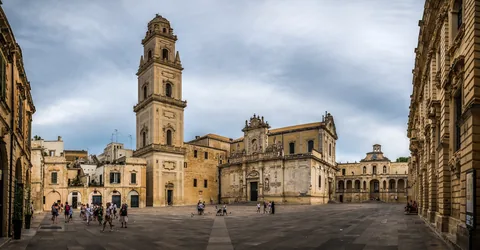
Journey idea: connect Otranto and Lecce through different visual languages, mosaic and carved stone. Another chapter can follow the coast towards Leuca, leaving time to stop rather than collecting viewpoints.
Talk to us about it


.jpeg)