Puglia / PLACES, FOOD, CULTURE
Martina Franca: Baroque and capocollo
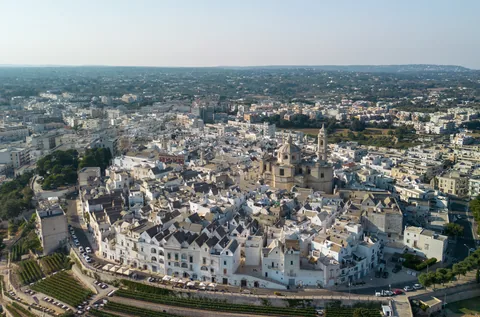
Martina Franca allows a journey in which baroque architecture remains connected with food. We would begin with the representation of power in palace and public spaces, then move to a craft that works with time: cured-meat production. Between them lies the lived town of thresholds, squares and pauses. Capocollo is not a souvenir added at the end but a key to its productive territory. Music offers another reason to travel when the calendar of a specific edition allows.
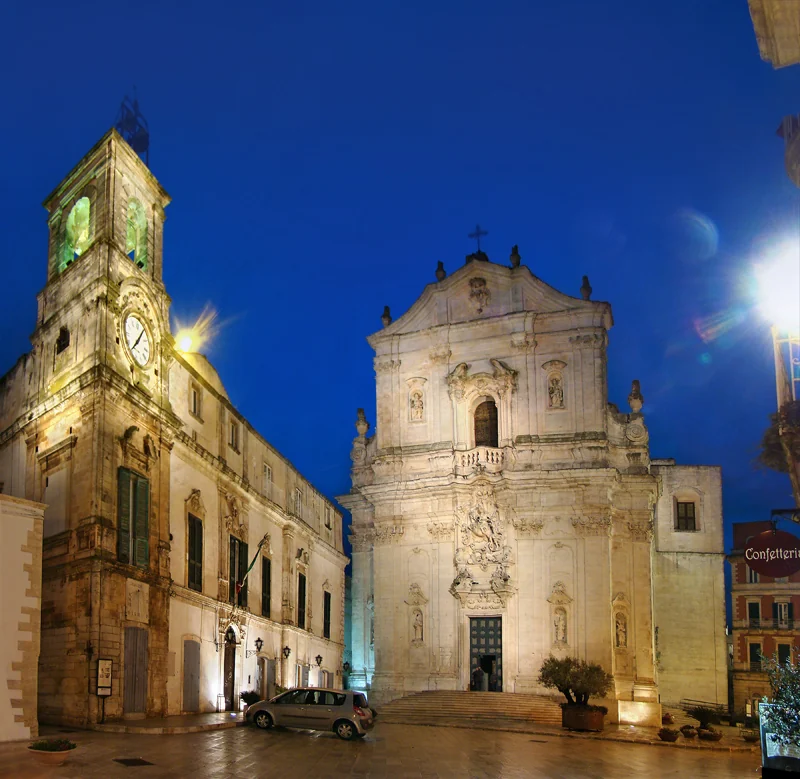
Photo: Tango7174 · Wikimedia Commons · CC BY-SA 4.0 · Resized and converted to WebP.
A palace that changes the town
Palazzo Ducale was built in 1668 by Petracone V Caracciolo on the site of the earlier medieval castle. Begin with that transition: not simply a prestigious building but a different representation of government and culture. Compare the palace’s scale with the following streets, noticing public space opening and closing. These differences can be read without a full architectural-history lecture: choose a viewpoint and return after the walk.
From street to square: baroque and everyday life
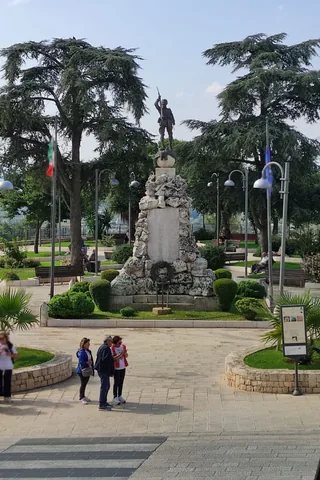
Porta Santo Stefano, corso Vittorio Emanuele, San Martino basilica and piazza Maria Immacolata form a readable sequence. Market stalls once stood beneath the square’s neoclassical portico: beauty did not erase practical function. Look at one balcony, a façade and the square’s layout, then leave time to sit. Compared with Locorotondo, Martina is more than another white centre: it changes the relationship between decoration, space and the visitor’s movement.
Sources: Italia.it — Martina Franca
Capocollo: seeing time within a slice
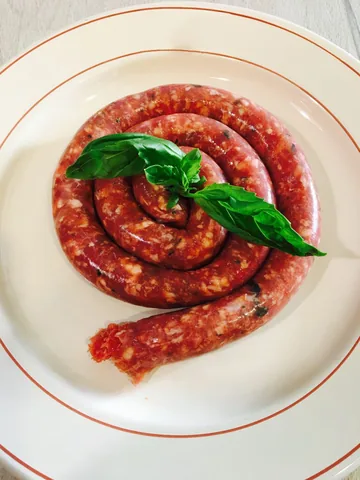
The producer’s product sheet describes a cut from the upper pig neck, smoking with fragno oak wood and four to six months of maturation. Discuss these elements during tasting rather than repeat adjectives. Compare smoke aroma, texture and the alternation of fat and lean, asking how maturation changes the result. Food then connects with woodland and preservation work instead of becoming an indistinct mixed platter.
Sources: Capocollo di Martina Franca — scheda del produttore
An identified food stop with a readable price
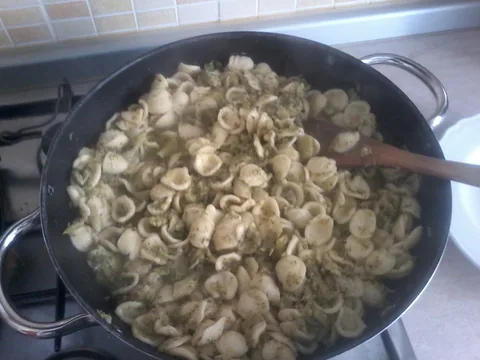
Osteria Origini publishes a Martina-focused menu. On 2026-10-06, tomato and cacioricotta orecchiette were listed at €12 for that individual dish, not a full lunch and excluding other orders or possible additional charges. This is an editorial reference, not a partner venue. Compare the cured meat explored earlier with a cooked preparation without putting the whole territory into one meal. The dated menu provides orientation; an Apulica enquiry will define the selected services.
Sources: Osteria Origini — menù ufficiale
Music: choose an edition, not an assumed date
The official programme of the 52nd Festival della Valle d’Itria listed 14 July–2 August 2026, with performances at Palazzo Ducale and other town settings. That edition has finished. It illustrates the relationship between music and place, rather than promising a concert during a future stay. Opera-focused travellers should begin with a published future programme; selected performances can then shape accommodation, sightseeing and meals instead of becoming an itinerary afterthought.
How we would organise it
Apulica can design a day combining interpretation of the centre, a charcuterie encounter and food, or a longer Valle d’Itria stay. For keen walkers I would first propose spring or autumn; in summer, give the centre more late-afternoon and evening time. Locorotondo continues habitation and wine, Cisternino cooked meat, Alberobello builders’ craft. Choose one continuation in a day so an encounter with a craft is not sacrificed to another name on the list.
YOUR JOURNEY
How to shape a journey here
We can organise Martina Franca around baroque architecture, a charcuterie encounter and food, or design a musical stay around a published Festival edition.
Talk to us about it