Puglia / PLACES, FOOD, CULTURE
Calimera, language and memory in Grecìa Salentina
In Calimera, a journey encounters language and memory. The town offers another approach to Salento through objects, stories and signs of a cultural relationship. A stop gains depth when there is time to follow a theme rather than simply pass through the centre.
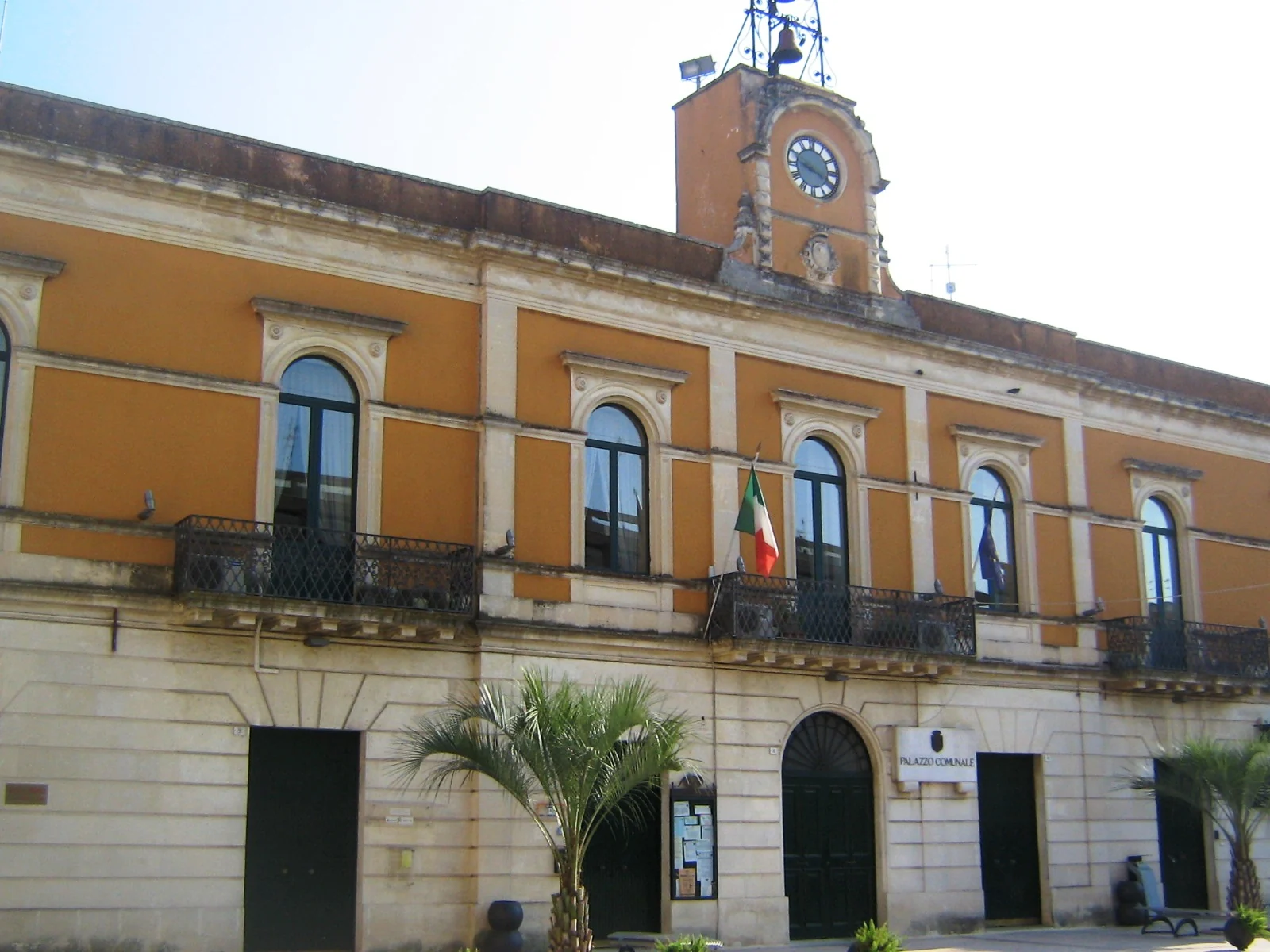
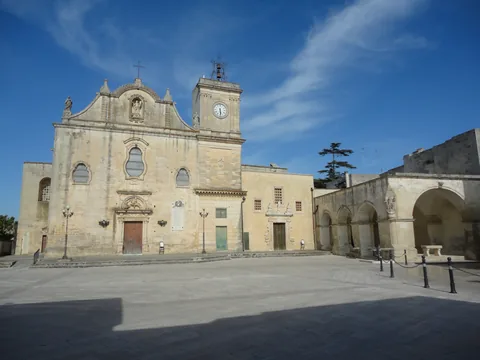
Photo: Lupiae · Wikimedia Commons · Public domain · Resized and converted to WebP.
The museum of Griko culture
The Museum of Rural Life and Griko Culture connects linguistic heritage with rural life. It provides a reference for understanding the everyday dimension of the territory beyond its buildings. The municipal union also identifies the Salento Natural History Museum and its wildlife recovery activities, offering another cultural thread connected with the environment.
Sources: Unione dei Comuni della Grecìa Salentina — Calimera
The stele and the charcoal makers
The municipal history records the Attic stele donated by Athens in 1960 and efforts to recover Griko culture. It also recalls charcoal makers and their relationship with woodland. These are different perspectives: a cultural connection with Greece and a working history rooted in local resources.
Sources: Comune di Calimera — La storia
San Vito: a stone, a chapel and remembered tales
San Vito church stands in the countryside near the old woodland on Strada vicinale Coppo. A pierced stone emerges from its floor; the municipality records different tales around it, involving a hunter, a farmer and a failed attempt to move it. These are inherited stories, distinct from chapel documents and restoration inscriptions. The place connects material, oral memory and collective care.
Sources: Comune Calimera — Chiesa di San Vito
Listen to a language without turning it into a display
Use the house museum to connect words with objects. Choose a tool, ask its local name and the gesture accompanying it: language becomes part of life rather than a phonetic curiosity. The Attic stele introduces a cultural relationship with Greece; San Vito adds orally transmitted local stories. There is no need to assign every detail one origin. Distinguishing documents, testimony and legend makes the visit richer. Where possible, an encounter with someone preserving this memory can deepen the day without asking local people to perform an identity for visitors.
An identified table in the village
The municipality’s hospitality page lists Filippu e Panaru trattoria at Via Costantini 66. This is an editorial reference for continuing the day in the village, not a confirmed Apulica partner. The source was checked on 2026-10-06; the municipal entry was updated in 2024, so menu, opening and group arrangements require current contact. The idea is to give Calimera time through both visit and meal without making an unverified gastronomic promise.
Sources: Comune Calimera — Accoglienza
YOUR JOURNEY
How to shape a journey here
Language and rural memory in Grecìa Salentina. Cultural visits and guiding are arranged for the journey.
Talk to us about it

_-_piazza.JPG)
