Northern Calabria / PLACES, FOOD, CULTURE
Corigliano-Rossano, two centres and an Ionian landscape
Two old centres and the Ionian coast offer different readings of one territory. Corigliano-Rossano can conclude an inland journey with art, production history and time by the sea.
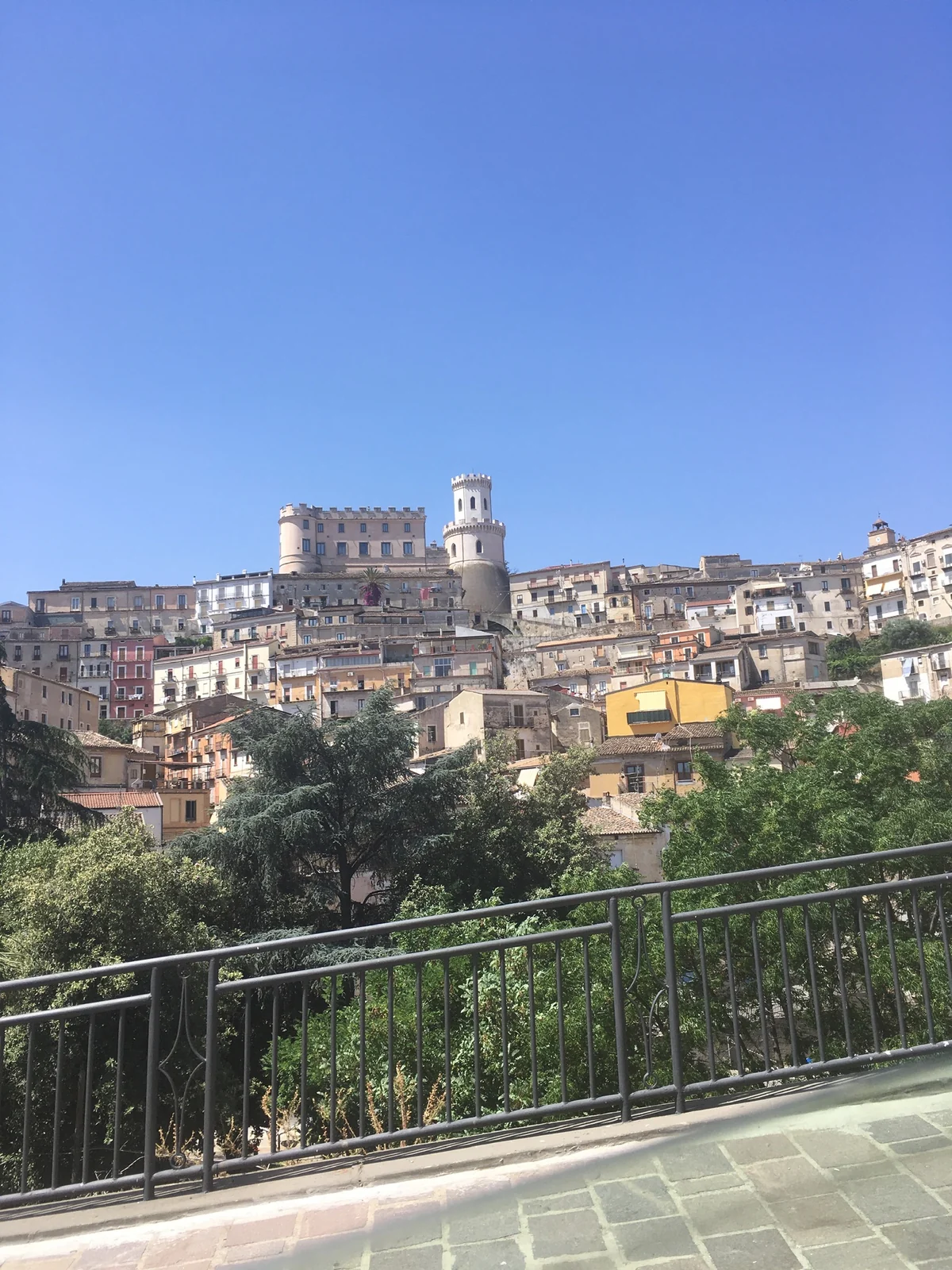
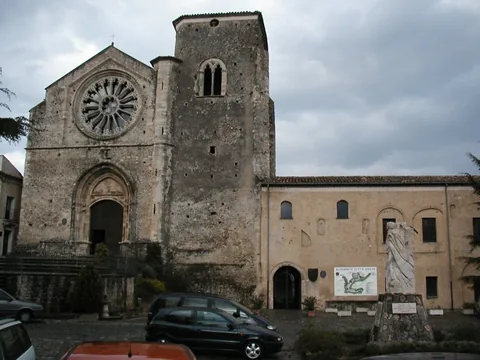
Photo: Marcok/itwiki · Wikimedia Commons · CC BY-SA 4.0 · Resized and converted to WebP.
Two centres, different themes
The municipality has united Corigliano and Rossano since 2018. The regional portal highlights the Ducal Castle in Corigliano, and the Codex Purpureus at the diocesan museum and Santa Maria del Patire abbey in Rossano. Their different themes favour choosing a focus or spreading visits across separate stops.
Liquorice beyond flavour
The Giorgio Amarelli Liquorice Museum documents processing the root through tools, objects and archive material. It is a story of work and business, explaining the product beyond tasting. Raw material, methods and finished forms offer a different perspective on the territory’s food heritage.
The connection with the sea
Schiavonea is the coastal locality identified by the regional portal. After villages and mountains, the coast can change the pace through one or two more flexible days without losing the cultural thread. Art and product history make the territory more than a beach destination.
The Codex within a wider story
The diocesan museum separates a route devoted to the Codex from one tracing the diocese and town. Introductory rooms help visitors understand the illuminations; the second route follows works and objects from different periods, including devotion to the Achiropita. This structure suggests looking beyond the famous manuscript: the museum helps explain why a town preserved and transmitted its heritage.
Sources: Museo Diocesano — percorsi e sale
Two centres, two visiting moments
Do not treat Corigliano and Rossano as a single centre to rush through. Allow one moment for the castle and another for the museum, with a pause between them to change register. Before a manuscript, ask how an image tells a story; before a castle, how a building represents power and control. These are different questions, and a journey works better when they are not mixed into a monument list. Walking through the streets after a museum places the work back within the town that keeps it. The walk becomes part of the interpretation, rather than simply a transfer.
A root, an object, a landscape
Liquorice provides a second thread, distinct from art: follow the transformation of plant material through processing into a recognisable flavour. Place it alongside the Codex heritage without forcing everything into a single explanation. Compare two ways of passing on knowledge: images and writing, techniques and taste. Altomonte can continue the relationship between art and bread; Civita can open a discussion of communities and language. Choose one direction for the next stop. The sea can have its place too, as a landscape pause, while giving the historic centres and their stories the time they deserve.
YOUR JOURNEY
How to shape a journey here
An Ionian conclusion combining heritage, liquorice and sea. Visits and services are defined for the individual journey.
Talk to us about it