Irpinia / PLACES, FOOD, CULTURE
Taurasi, understanding a wine through its territory
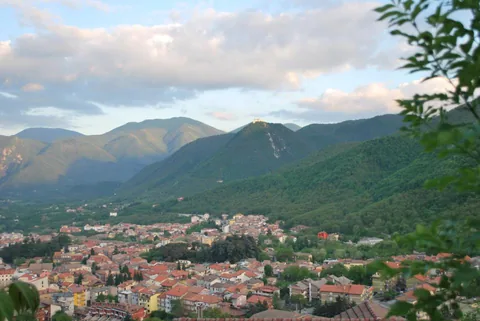
Taurasi invites visitors to understand a wine through the place giving it its name. The village and wine-related heritage make the visit more than a tasting.
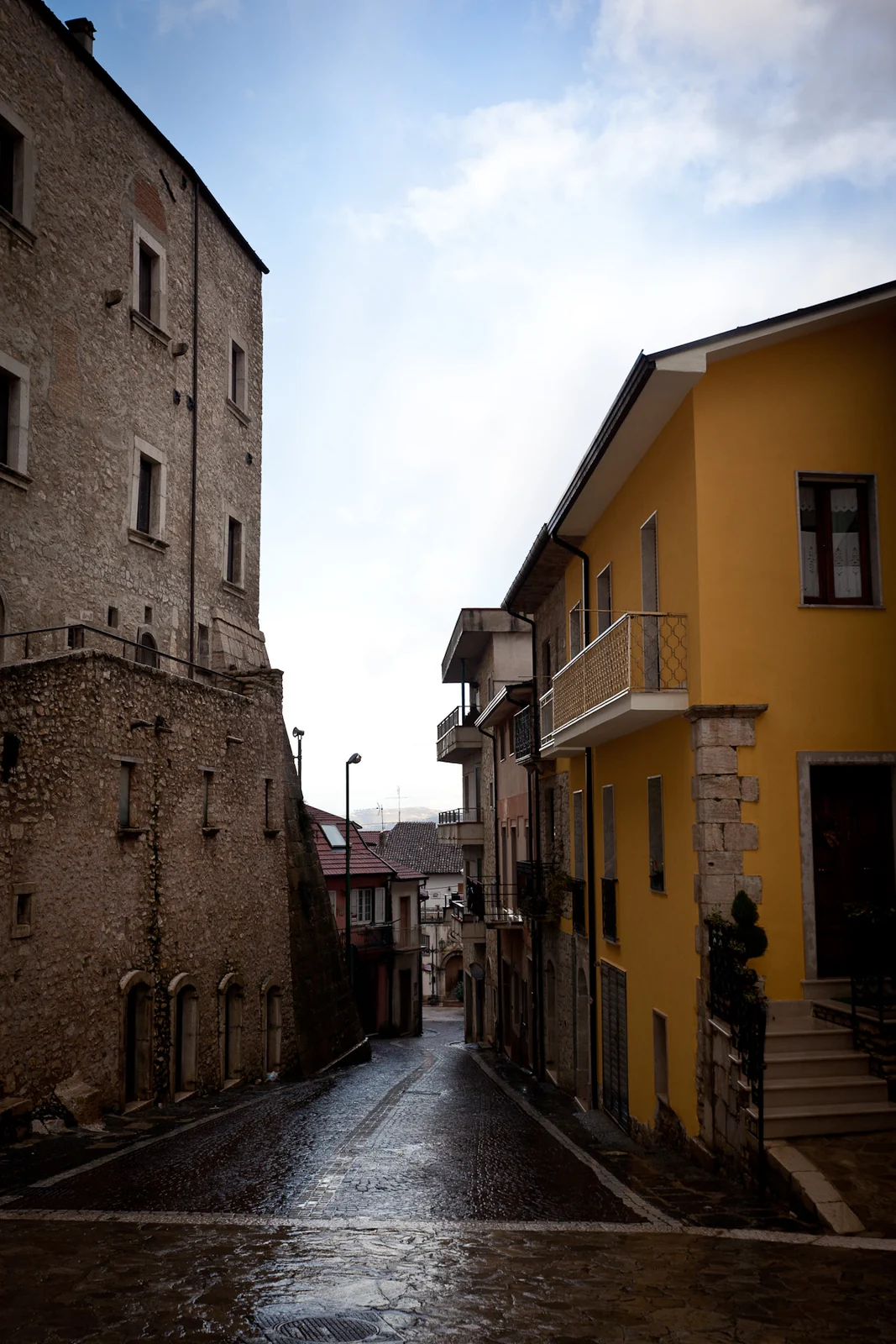
Photo: jimmyweee · Wikimedia Commons · CC BY 2.0 · Resized and converted to WebP.
The village and the appellation
The Taurasi DOCG area includes the village and other municipalities in Avellino province. The wine’s name therefore represents more than the old centre. That distinction helps shape a visit: vineyards and cellar work belong to a geography best understood as a whole.
Sources: Regione Campania — Taurasi DOCG
The Castello Marchionale
The Castello Marchionale stands in the old centre. The provincial account describes its transformations and connection with the regional wine centre for Irpinia. It links heritage with wine culture, explaining why the village belongs in a food journey beyond the name on a label.
Sources: Provincia di Avellino, Sistema Irpinia — Castello Marchionale di Taurasi
Before the wine, traces of settlement
The archaeological collection documented by ISPRA introduces a period much older than the castle: Copper Age huts, pottery, stone tools and funerary urns. Stone perimeters supported wooden structures that have not survived. This heritage lets us read Taurasi as a place inhabited and transformed over time, rather than only the name of a wine appellation.
Aglianico and time: reading Taurasi and Riserva
The specification published by Campania requires at least 85% Aglianico and recognises two types. Taurasi needs at least three years of ageing, including one in wood; Riserva needs four, including eighteen months in wood. Ruby red can develop towards garnet; the profile is dry and persistent. These details give a concrete cellar question: how do vessel and duration influence the wine being tasted? Comparing vintages or types selected by one producer helps identify differences without attributing everything to the appellation name.
Sources: Regione Campania / Gazzetta Ufficiale — Disciplinare Taurasi, 2020
A glass comparison connected to cellar work
Build the tasting around two comparable wines and ask the producer which differences matter. Look first at colour near the glass edge, then aroma and what remains after a sip. In the cellar story, seek the corresponding decision: a vessel, waiting period or separate batch. The castle places wine within the town, while archaeological objects suggest the longer history of habitation. At lunch, try a pairing explained by the cook, allowing the preparation to reveal the wine rather than obscure comparison. Keep a note of an observed difference instead of ranking bottles.
Taurasi at the heart of an Irpinia journey
Pair Taurasi with Avellino to give wine a cultural context, or with Villamaina to turn towards water and inland landscapes. In a longer journey, Montella and Bagnoli introduce different products and a mountain setting. Avoid arranging one tasting after another: alternate the table with walks and cultural visits so that flavour has a place to refer to. Transfers and selected stops can shape the programme, while the choice of winery and meal should reflect the traveller’s interests. Taurasi is a starting point for understanding Irpinia, rather than something to consume quickly.
YOUR JOURNEY
How to shape a journey here
Village, wine and food. Wineries, encounters and services are selected for the journey; availability is not pre-promised.
Talk to us about it