Basilicata / PLACES, FOOD, CULTURE
Venosa: archaeology and wine at a considered pace
In Venosa the visit moves between periods, yet remains clear when you choose a thread. Archaeology and the medieval town can form its two main chapters, with wine and food providing a pause. The pleasure lies in comparing ways of inhabiting a place rather than completing a list of exhibits.
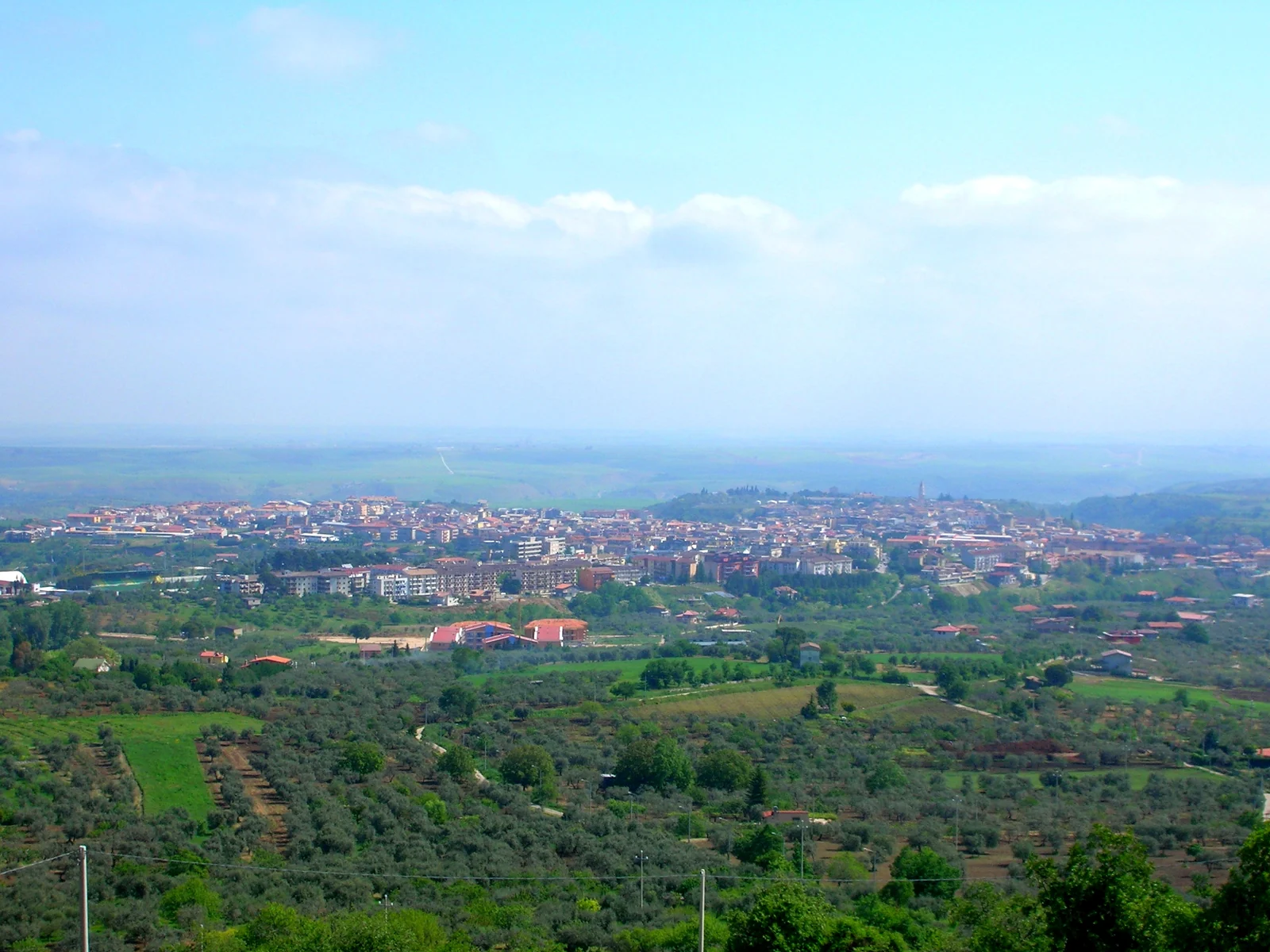
Photo: D.N.R. · Wikimedia Commons · CC BY-SA 3.0 · Resized and converted to WebP.
Venusia and the unfinished church
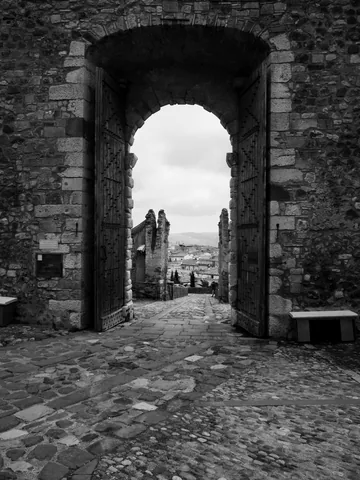
The archaeological park preserves parts of Venusia, founded in 291 BC, including public spaces, homes and baths. A house with mosaics and paved streets help you imagine the colony. The early Christian baptistery and unfinished church associated with the enlargement of Santissima Trinità reveal how the place changed in later periods.
Sources: Ministero della Cultura — Parco archeologico di Venosa
The castle as a starting point for understanding
The Mario Torelli National Archaeological Museum occupies Pirro del Balzo Castle in Piazza Umberto I. Building and collection offer two approaches to the past: architecture shaping the square and archaeology exploring the territory. I would give them a separate moment from the park visit, keeping the different stories clear.
Sources: Ministero della Cultura — Museo archeologico nazionale Mario Torelli
Food within its landscape
Venosa’s food belongs to the culture of Vulture-Melfese: Aglianico del Vulture, handmade pasta, cheeses and vegetables. These elements move the story from archaeological remains into everyday life. A carefully explained pasta dish and wine can give continuity to the visit without turning lunch into a succession of compulsory tastings.
Sources: Basilicata Turistica — Venosa
Between a castle and a fountain
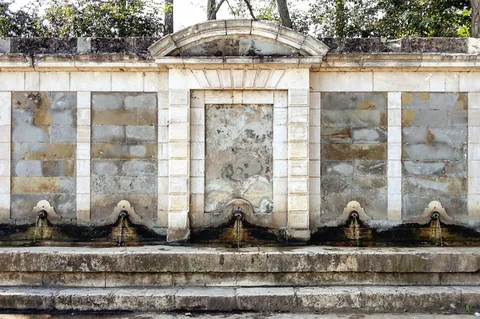
The castle faces Piazza Umberto I, while Via Vittorio Emanuele leads towards Sant’Andrea cathedral. Messer Oto Fountain retains a wash basin beneath a stone lion. Horace is remembered through a statue and a house traditionally associated with his birth: the building’s attribution is a tradition, rather than a verified biographical certainty.
Sources: Italia.it — Venosa, centro e fontane
The unfinished church as a question
Begin with the unfinished church and archaeological park, then give the old town a second part. An incomplete building is interesting partly for its missing space: following a wall and imagining its relationship with others helps understand a design without rewriting its history. At the museum, choose a group of objects connected with the landscape just crossed. Walking between castle, main street and fountain then changes scale, moving from historical periods to civic spaces and gestures. Venosa is more than a repository of ruins: preserve both readings. A guide can connect them without turning every detail into a separate lesson.
A glass that continues the story
Wine can complete Venosa after the visit, once the territory has images and names to refer to. Ask what a producer recognises of the place in their work, rather than which label is universally best. Melfi continues the comparison between castles and museums; Vulture shifts towards lakes and woodland. Palazzo San Gervasio introduces another way of keeping art through a collection. These directions need not all be combined: build two or three days with varied visits, tastings and pauses. Selection makes the route legible and lets wine connect experiences rather than replace them.
YOUR JOURNEY
How to shape a journey here
Journey idea: connect Venosa with Melfi to compare archaeology and a town associated with power, or with Vulture to add the wine landscape. Give each place a distinct theme and time of its own.
Talk to us about it