
Puglia / PLACES, FOOD, CULTURE
Santeramo in Colle: details of the inhabited Murgia
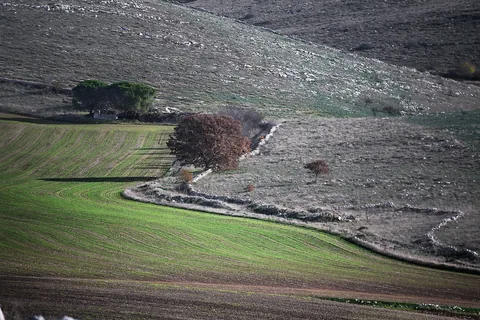
Santeramo can give a Murgia journey a stop linking landscape, representation and food. Begin with a palace and an artist’s viewpoint, turn towards the countryside, then return to kitchen work. That sequence makes the town more than a base between better-known stops. Coming from Altamura or continuing to Matera, the purpose is not another name on the route but a different account of field life and food knowledge.
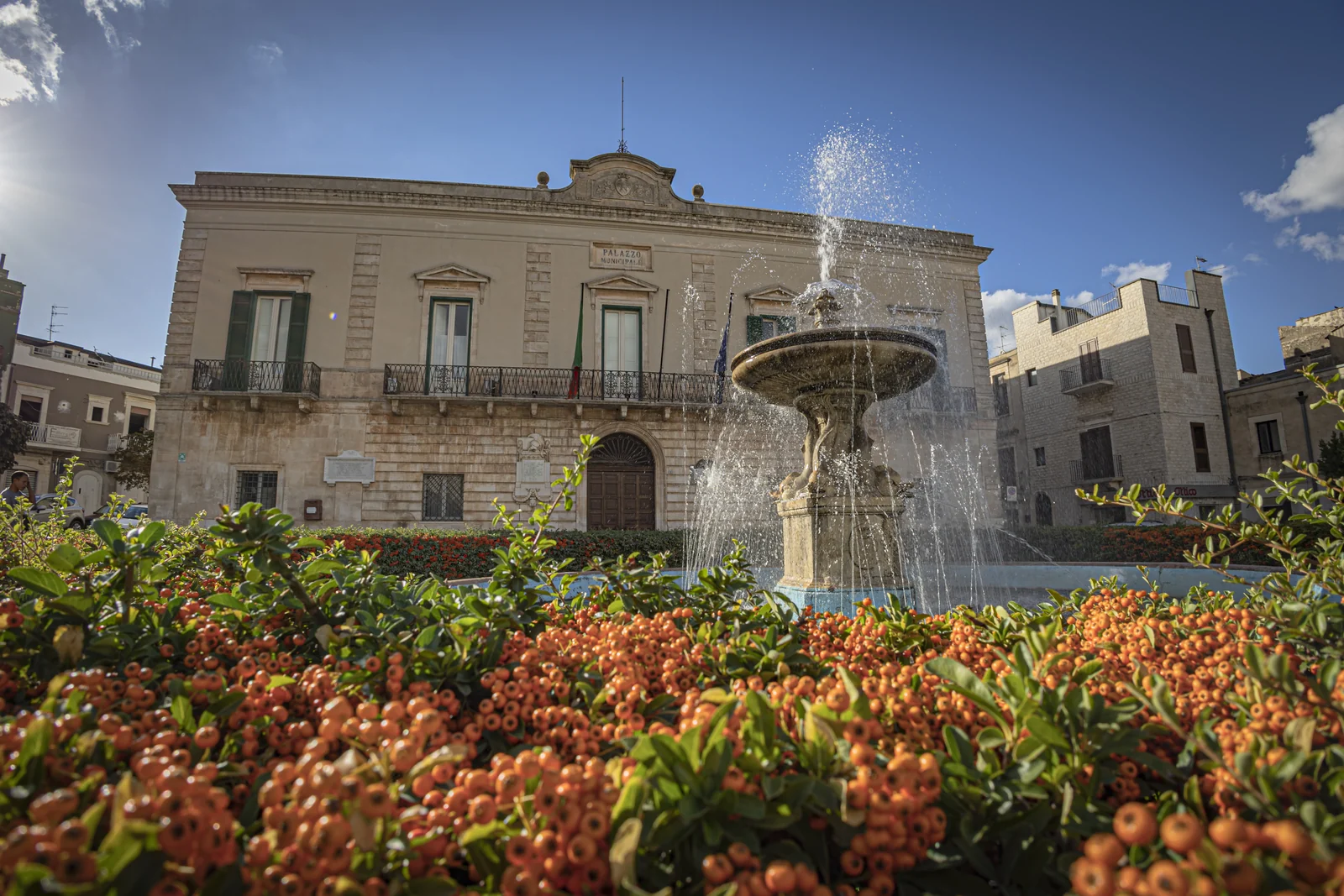
Photo: G.ppe Davide Procacci · Wikimedia Commons · CC BY-SA 4.0 · Resized and converted to WebP.
The palace: reception and work in one building
The regional heritage record dates Palazzo Marchesale to 1576 and describes a quadrangular plan around a courtyard. Smooth and diamond-cut rustication decorates the portal; lower levels contained oven, stores and stables, with reception rooms above. That organisation makes power and labour readable: receiving guests, producing and storing resources. Begin with façade and portal, then use the historical description to interpret the rooms without assuming access to every interior.
Sources: Carta dei beni culturali della Regione Puglia — Palazzo Marchesale
Francesco Netti: countryside through a painter’s eye
Francesco Netti was born in Santeramo in 1832; the municipality connects part of his work with field life and town views. His harvesters cycle includes Rest During Harvest, The Harvesters’ Meal and The Harvest. Do not assume those paintings are displayed here: a town route can begin at Palazzo Netti on via Sant’Eligio and examine the relationship between images and territory. Discuss labour, gestures and meal time before observing the landscape, bringing food into the human story rather than only a final tasting.
A walking connection towards Altamura
The official Via Peuceta guide connects Santeramo and Altamura through rural districts and Murgia terrain, identifying the Michaelic Sant’Angelo cave and a medieval cart road at Fornello. These suggest interpreted walking rather than merely completed kilometres. In a shorter journey choose a guided section suited to the group, asking how ground changes and what identifies an old road. Walking the whole route requires its own accommodation and support plan, separate from the town visit.
The fornello as an encounter with craft
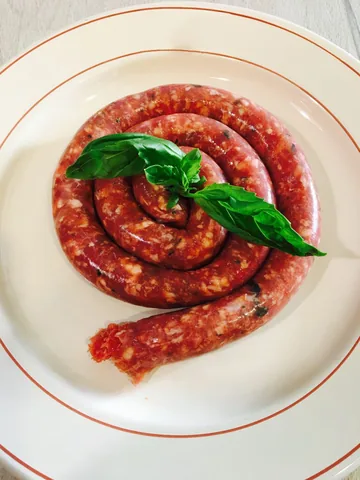
Antica Macelleria Lassandro, at via Roma 28, presents its fornello as eating the butcher’s meat on site. I Giardini della Carne describes wood-fired cooking and horse, beef, pork and sheep meats. These identified editorial references are not appointed suppliers. Match the choice to travellers’ preferences: not everybody wants to try the same species. Follow a cut from counter to cooking and its explanation rather than a large assortment. A considered encounter makes a skill understandable.
Sources: Antica Macelleria Lassandro — fornello e contatti · I Giardini della Carne — macelleria e fornello pronto
Where to stay and one published cost
Hotel Murgia, at via Iazzitiello 69, offers rooms and a restaurant. Its website, checked on 6 October 2026, advertises double rooms from €88 per night. This is a published starting rate, not an Apulica quote: dates, availability, occupancy and conditions must be defined for the actual request; it does not price an itinerary or extra services. Consider it as a town, walking and food base, or give Santeramo its own day while staying elsewhere instead of multiplying transfers.
When to go and how Apulica connects the stops
I suggest spring or autumn for a town walk and a walking-route section; in summer separate the excursion from town and meal time. We can arrange cultural interpretation, walking suited to the group, a fornello meal and accommodation. Altamura compares bread making and landscape; Gravina adds another reading of rock and settlement; Matera continues across the regional boundary. Choose one principal connection and give others a different day. A short, considered sequence clarifies links between production, labour and daily life.
YOUR JOURNEY
How to shape a journey here
We can design Santeramo through heritage, Netti’s viewpoint, walking and fornello cooking, choosing a base for continuing to Altamura or Matera.
Talk to us about it


.jpeg)

