Basilicata / PLACES, FOOD, CULTURE
Metaponto: Magna Graecia on the plain
Temples, town and objects offer complementary perspectives: distinguish worship, work and urban life when reading the archaeological area.
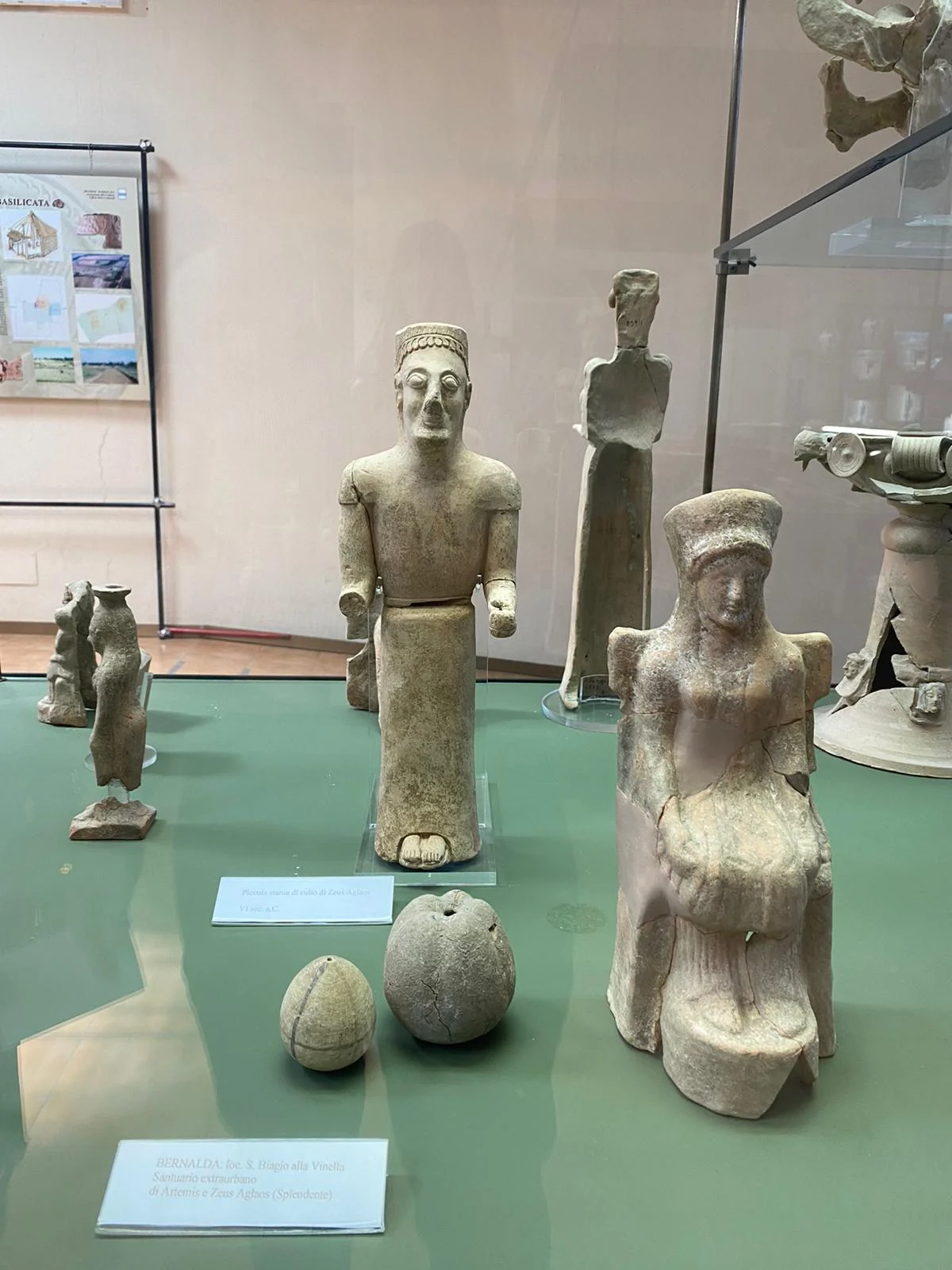
Photo: Damiano157 · Wikimedia Commons · CC BY-SA 4.0 · Resized and converted to WebP.
What to notice
Metaponto, within Bernalda, connects the plain between the Bradano and Basento with Greek colonisation. The Tavole Palatine, archaeological park and museum reveal the relationship between sacred places and the ancient town. Farmland and pine woodland show its present landscape.
Sources: Metaponto — fonte istituzionale
A detail that changes the visit
The archaeological collection distinguishes indigenous coastal communities from the later Greek settlement. Hand-built pottery and wheel-thrown, painted vessels reveal different techniques and cultural encounters. Aerial photography helped reconstruct the ancient street grid and the position of public spaces. Alongside the sanctuaries, the potters’ quarter recalls a working city rather than an exclusively monumental one. The official website currently reports a temporary museum closure for works. Its collection remains a valuable interpretive reference, but should not be confused with a visit guaranteed today.
Sources: Museo archeologico nazionale di Metaponto — il museo
A sanctuary outside the city
The Ministry of Culture describes Tavole Palatine as a sixth-century BC Doric temple in Hera’s sanctuary outside the city, near the Bradano. Its position marked the boundary towards Taranto’s territory. The columns therefore introduce relationships between a Greek city, its land and an extraurban place of worship rather than an isolated photographic monument.
Sources: MiC — Tempio delle Tavole Palatine
Reading archaeology on a map
Begin with a map distinguishing urban area, sanctuary and coast. This prevents every remain becoming an isolated point and helps explain the city’s relationship with its territory. At Tavole Palatine, move from the columns’ silhouette towards their rhythm and spacing. Museum and outdoor site are different stops: closure of one does not automatically imply closure of the other. A guide can explain the areas actually included in the programme. Even without an accessible collection, a journey gains depth when visitors know what to observe and what to ask of the landscape. A short monument list cannot convey that difference.
Magna Graecia with an Ionian pause
Connect Metaponto with Scanzano for a coastal part and Matera for another form of settlement. The comparison highlights differences as the journey moves from plain to an excavated city. Spring and autumn suit consideration for archaeology and walking; a bathing pause requires a period matching that wish. Coastal accommodation can support one or two days without turning the whole journey into a beach stay. Apulica can connect guided visits, travel and meals. The national archaeological museum is recorded as closed in the cited source: its heritage is described without selling admission, while other areas remain separate visiting decisions.
YOUR JOURNEY
How to shape a journey here
Pair the museum with the archaeological area: objects help give meaning to structures. Time on the coast completes the day without replacing its cultural focus.
Talk to us about it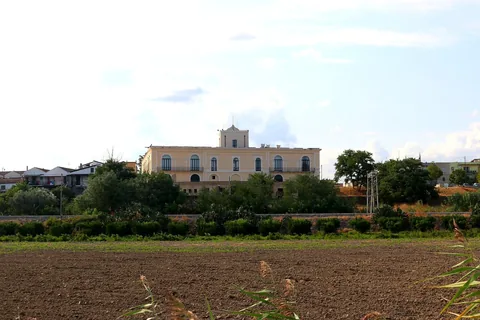

.jpeg)