Basilicata / PLACES, FOOD, CULTURE
Matera: living in stone, understanding the landscape
See Matera both close up and from a distance: through its urban spaces and the landscape that explains them. Give it room to breathe, alternating cultural exploration, time outdoors and the pleasure of discovering its food. Stone becomes the thread connecting these moments.
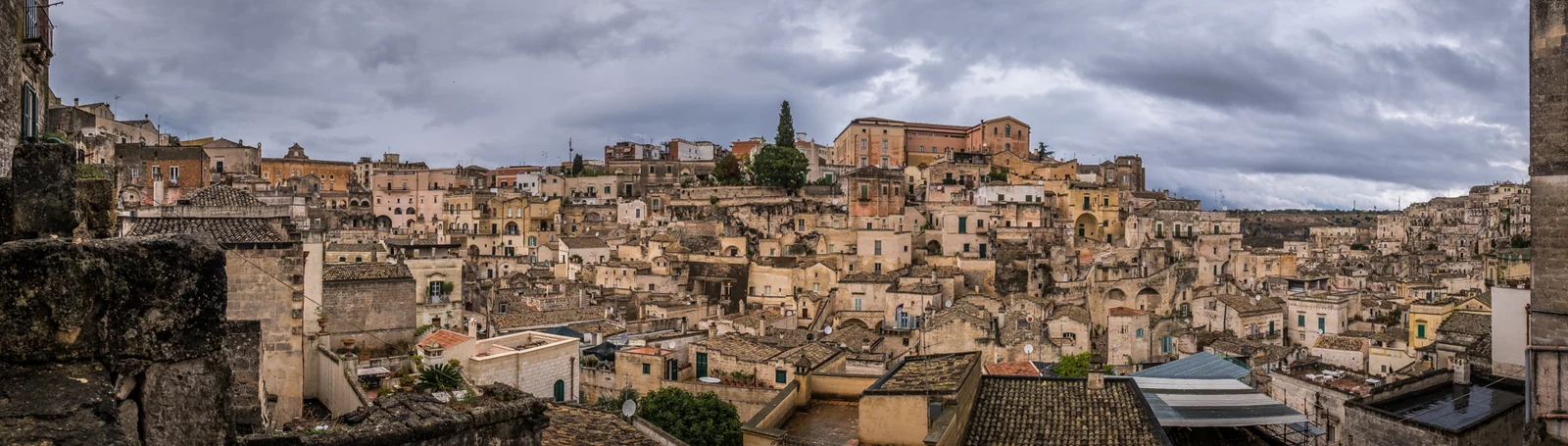
Photo: Giuseppe Milo · Wikimedia Commons · CC BY 3.0 · Resized and converted to WebP.
The Sassi: a city shaped by its setting
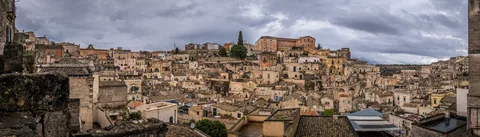
The Sassi and the Park of the Rupestrian Churches have been UNESCO World Heritage since 1993. Sasso Barisano and Sasso Caveoso reveal different parts of the city; between them, Civita preserves its thirteenth-century Romanesque cathedral. Excavated and built spaces belong to one system: looking at their relationship helps explain the townscape.
Sources: UNESCO — The Sassi and the Park of the Rupestrian Churches of Matera
Murgia: seeing the city from outside
The Gravina ravine gives Matera’s landscape its depth. Sedimentary rocks of marine origin include Altamura limestone and younger Gravina calcarenite; fossil traces help reveal that history. A view from Murgia connects the city with the material from which it developed.
Bread as an encounter with the city
Pane di Matera IGP is made from durum-wheat semolina in horn-shaped or tall loaves. Its crisp crust expresses a baking culture that continues in recipes such as pasta with fried breadcrumbs. Tasting it introduces an everyday part of the city alongside its monumental heritage.
Water beneath the square
Palombaro Lungo is a large cistern beneath Piazza Vittorio Veneto, with waterproof cocciopesto surfaces. Casa Noha approaches the town’s history from within a dwelling. They offer two entries into Matera’s story: managing a resource and remembering domestic life. Place them beside the Sassi panorama to see the working settlement behind the scenery.
Sources: Italia.it — Matera, acqua e città
Staying within the built landscape
One identified example is Sextantio Le Grotte della Civita, Via Civita 28. Its own website presents restored caves, a shared space in an old rock church and rooms in Palazzo della Civita. Consider it when accommodation should continue the theme of living within rock. This editorial reference was checked on 2026-10-06; it is not a confirmed Apulica partner. Room category, access and quotation should be assessed for the specific journey.
Bread and the territory beyond the Sassi
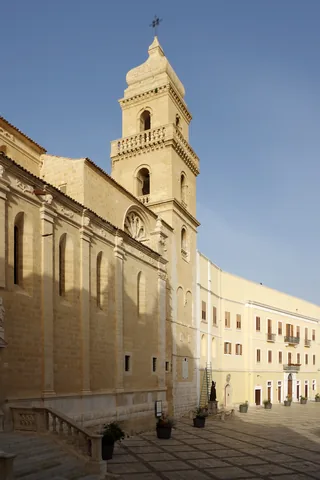
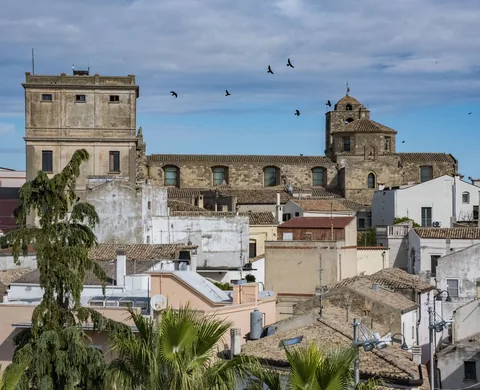
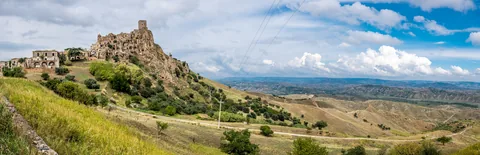
Bread takes this attention directly to the table. In a curated tasting, one slice can prompt discussion of crust, crumb and keeping qualities without creating an oversized meal; cooking that reuses bread opens the theme of domestic practice. Continue towards Altamura and Gravina to compare landscapes and baking cultures, or towards Miglionico and Craco to change the scale and form of settlement. These are different directions, chosen according to time and interests. A Puglian coast at the end can complement the programme rather than dominate it. Matera becomes a hinge between Puglia and inland Basilicata: a strong stop that teaches us to look more carefully at the others.
YOUR JOURNEY
How to shape a journey here
Journey idea: connect Matera with Altamura and Gravina in Puglia through stone and bread culture. Another chapter can lead towards Miglionico and Craco, comparing different ways of inhabiting a landscape.
Talk to us about it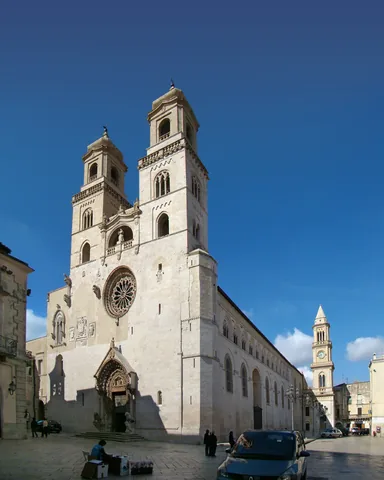


.jpeg)
.jpeg)