
Puglia / PLACES, FOOD, CULTURE
Foresta Umbra: Gargano beneath the beech trees
Foresta Umbra can shift a Gargano journey from panoramic views to close observation. Walk to recognise trees, ground, water and forestry work rather than accumulate stops. A guided day can have one clear purpose: understanding why this woodland differs from farmland and coast. For food-oriented travellers, the forest provides context before a meal without pretending every dish is a woodland product.
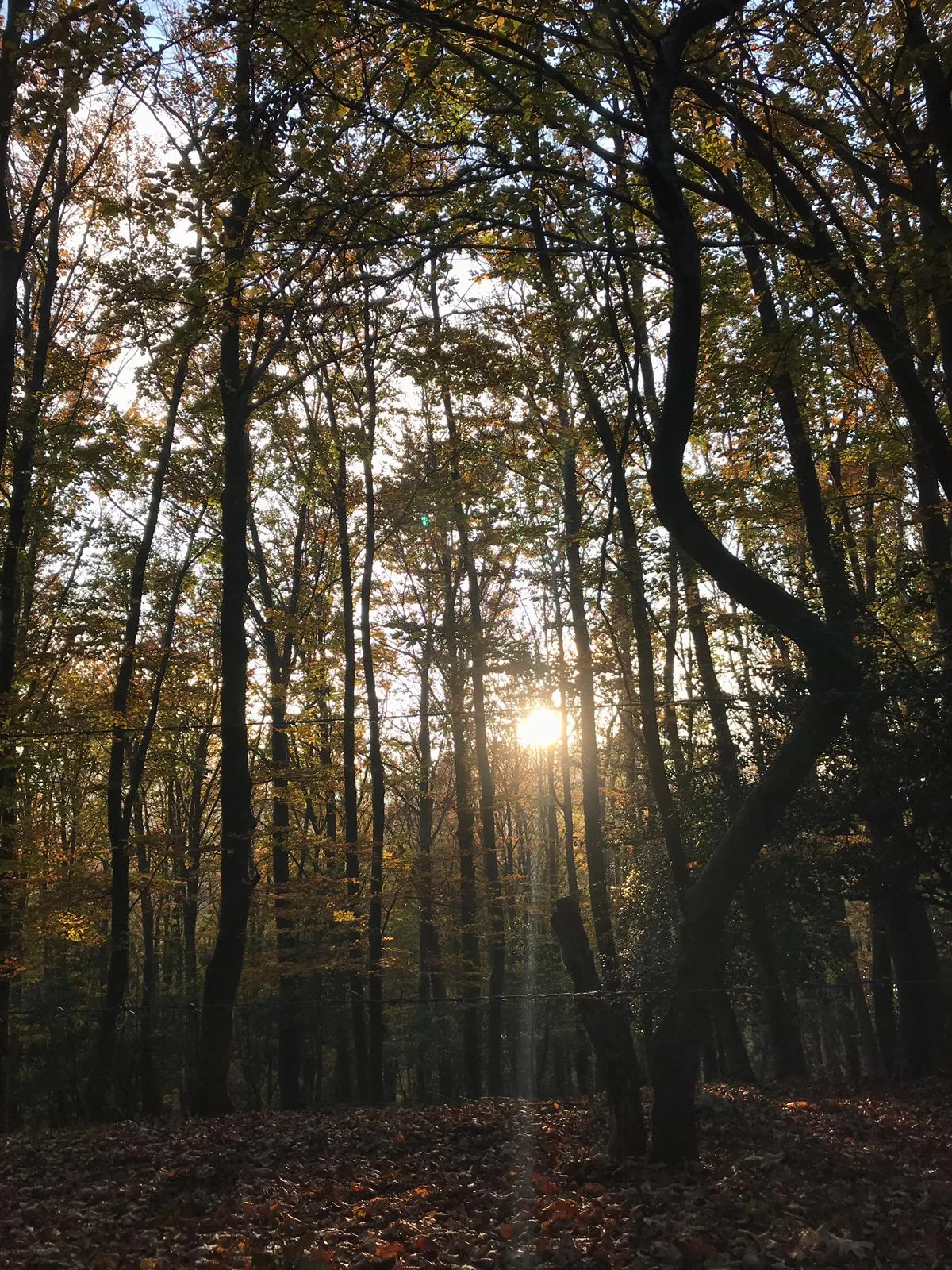
Photo: Francesca Lenoci · Wikimedia Commons · CC BY-SA 4.0 · Resized and converted to WebP.
Beech woodland beyond a simple altitude rule
The Carabinieri account relates terrain to microclimate: cold, humid air in Sfilzi valley lets beech grow lower down, while other slopes support downy oak and Mediterranean vegetation. Umbra and Falascone reserves received UNESCO recognition for old-growth beech forests in 2017. Not every woodland stretch is identical. Follow changing exposure and vegetation, asking a guide about tree position, light and landform before focusing only on individual tree size.
Sources: Carabinieri Biodiversità — Riserva demaniale di Foresta Umbra
Choose a trail around a question
The park lists marked routes including Laghetto d’Umbra–Falascone, Murgia–Laghetto d’Umbra and Sfilzi–Caritate. Access areas have signs and stopping places; the natural-history museum is near Villaggio Umbra. These are planning references, not a claim that all trails share one difficulty level. Choose one route matching ability and interest: beech ecology, water or work traces. A shorter interpreted walk can be more rewarding than an unexplained long circuit.
The pond explains the ground
Laghetto d’Umbra occupies a doline and collects rain and runoff. The park explains that karst terrain lacks continuous surface streams: cutini form where impermeable beds and walls hold water. Look beyond the photograph to surrounding slopes and ask what happens when rain encounters different ground. This makes the landscape readable without specialist knowledge, connecting a visible water surface to processes mostly hidden during the walk.
Human work and animal presence
The park presentation distinguishes woodland and reserves and identifies the museum, woodcutter’s hut and cutino. It describes elusive Gargano roe deer alongside birds of prey and small carnivores. Do not measure the visit by animals seen: seek explanations and signs without promised sightings. The hut can prompt discussion of human labour, tools and timber. Nature and craft belong in the same day without imagining woodland outside human history.
Sources: Parco del Gargano — Foresta Umbra
A table and a base in the forest
Elda Hotel reuses the historic Albergo Rifugio and offers rooms and chalets on Strada Provinciale 52b. Its Il Rifugio restaurant presents Gargano traditions interpreted with contemporary techniques. These are real editorial references, not Apulica partners. Staying here joins walk and break without returning to the coast. The meal does not imply woodland foraging: use it to compare interpretation and tradition. Travellers wanting evening town walks can keep the forest as a day visit.
Sources: Elda Hotel — rifugio, camere e chalet · Elda Hotel — Ristorante Il Rifugio · Elda Hotel — posizione e contatti
When to go and how Apulica shapes the day
Spring and autumn are my suggestions for observation-led travel; in summer give the forest its own day rather than a hurried break between beaches. We can arrange a naturalist, a route suited to the group, transfers and food, choosing woodland accommodation or a town base. Monte Sant’Angelo compares landscape and heritage; Vieste or Peschici returns to coastal work and settlement. One different continuation per day leaves room to notice the change of environment.
YOUR JOURNEY
How to shape a journey here
We can design a naturalist-led day with one considered trail and a forest meal, choosing a woodland or coastal base.
Talk to us about it



.jpg)