Puglia / PLACES, FOOD, CULTURE
Sternatia, the town and olive-oil history
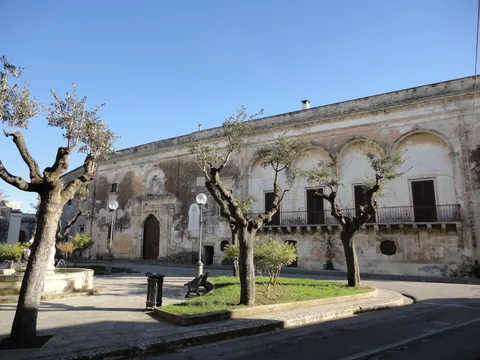
Sternatia reveals work through its spaces. A town walk and the olive mill beneath it belong to the same story: what happened below the streets helps explain life above them. This provides a tangible perspective on Salento’s rural culture.
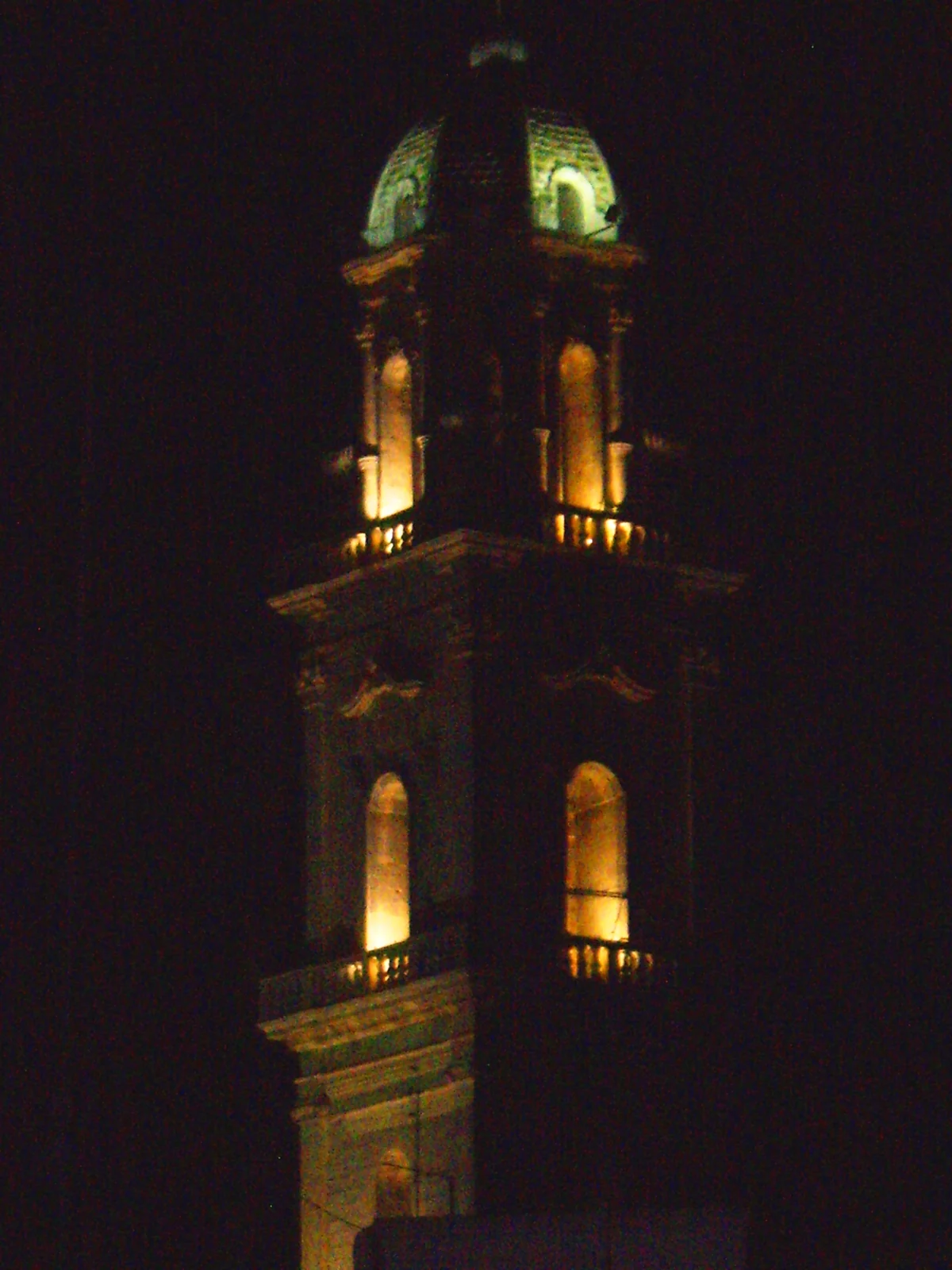
Photo: Freddyballo · Wikimedia Commons · CC BY-SA 3.0 · Resized and converted to WebP.
Granafei’s grinding stones and presses
The Ministry of Culture places Palazzo Granafei’s underground olive mill near Porta Filìa. Its record describes animal-powered grinding stones and different types of screw presses. This equipment explains the movement from crushing olives to pressing them: an atmospheric space shaped by specific working operations.
Sources: Ministero della Cultura — Frantoio ipogeo di Palazzo Granafei
The centre and its crypts
The municipality identifies the crypts of San Pietro and San Sebastiano, and Santissima Trinità outside the old walls. Alongside the mills, they give the historic centre several layers of meaning. Underground heritage represents religious life as well as production; an outdoor walk connects these places with the town.
Sources: Comune di Sternatia — Centro storico
Oil also supplied light
The municipality connects underground spaces with oil used both for food and illumination. Granafei’s mill combined two earlier installations and operated into the nineteenth century; another partly underground mill belonged to the Dominican convent. These details distinguish mills from interchangeable spaces: ownership, scale and uses of the product belong to the village’s economic history.
Sources: Comune Sternatia — Frantoio Granafei
A visit built around working gestures
Follow operations in sequence: arrival of raw material, crushing, pressing and departure of the product. At the millstone, ask what moved and supplied power; at the press, how pressure changed. Empty space matters too: where people circulated and how they shared the room with equipment. Outside, religious heritage introduces other uses of the underground. Such a route is useful without a technical tasting: it makes work visible before the bottle and prepares precise questions about today’s oil, without confusing a historic installation with an operating modern mill.
From a historic mill to flavour today
Pair Sternatia with Martignano to compare production spaces and their relationship with village life. Choose any contemporary oil tasting by origin, processing and use at the table; ask where and when the actual bottle was produced rather than automatically attributing it to the historic mill. Bread introduces texture, while a vegetable dish shows oil within cooking. In autumn, harvest may be an interest to develop with a real producer; throughout the year, historic mills retain their value. Apulica can connect guiding, a meal and a producer encounter when available: understand the craft, then how it continues today.
YOUR JOURNEY
How to shape a journey here
The town and olive-oil history. The mill is privately owned, so access needs arranging before a visit.
Talk to us about it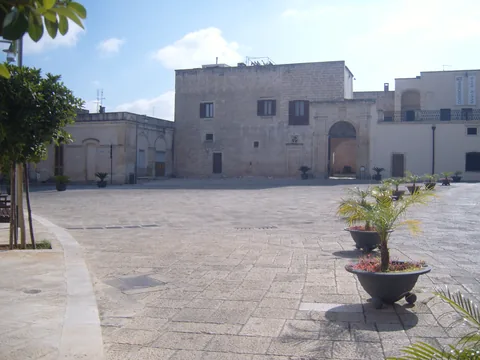
_-_piazza.JPG)
