Basilicata / PLACES, FOOD, CULTURE
Lavello: Vulture and agricultural memory
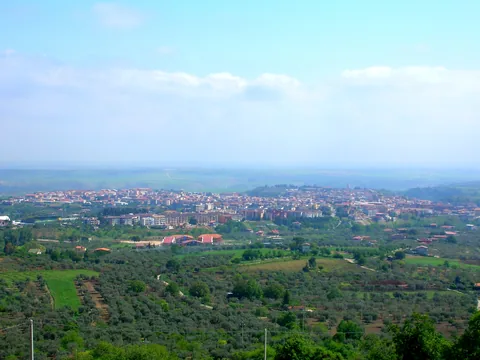
Between old centre and countryside, look for traces of different periods: archaeology adds depth to a walk through the town.
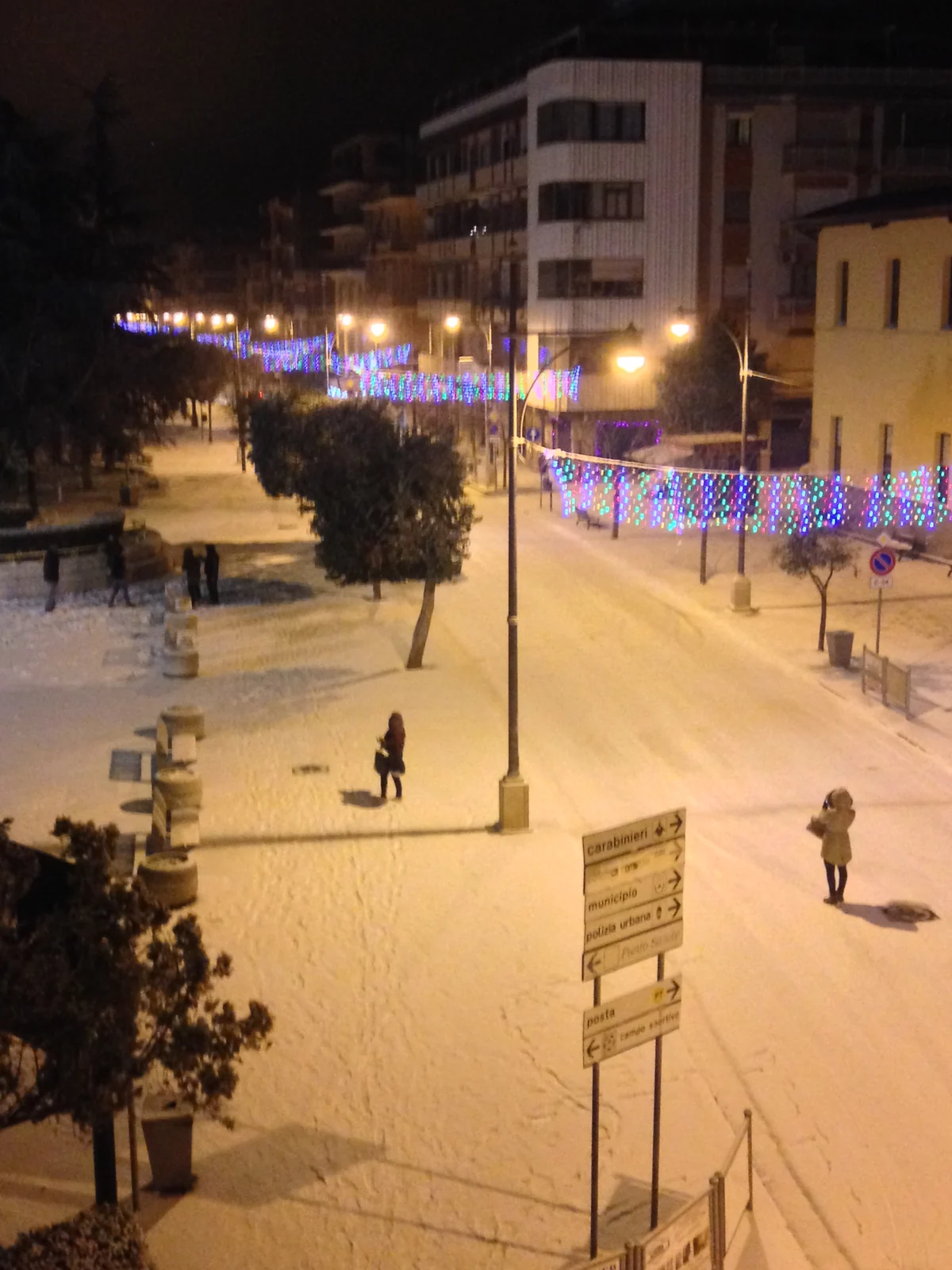
Photo: Biagiofg · Wikimedia Commons · CC BY-SA 4.0 · Resized and converted to WebP.
What to notice
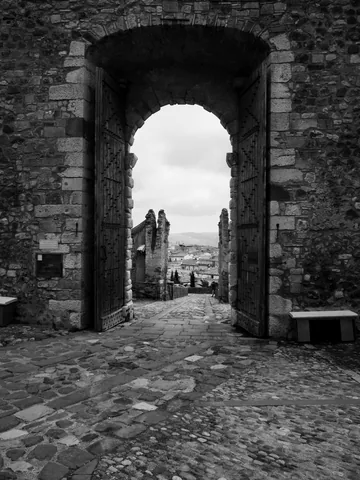
The Pescarello quarter preserves the old centre, with Porta Forno and Porta Nuova. The Norman-Swabian castle houses the town hall. The Museum of Rural Life and dishes such as cutturiedd, made with sheep meat and vegetables, connect the town with its countryside.
Sources: Lavello — fonte istituzionale
A detail that changes the visit
Finds from the Forentum cemeteries reveal a history older than the castle. Female grave goods include small vessels for ointments and cosmetics, jewellery and painted pottery; other objects refer to dining and votive practices. These traces help identify people and habits behind the name of a settlement. The regional account described a past temporary exhibition, rather than a display guaranteed today. Its archaeological material nevertheless provides a useful perspective: Lavello belongs to a territory inhabited across several periods, not merely a medieval story.
A reading of the plain before Vulture
Lavello can change how we see northern Basilicata. Start with the town and archaeological traces rather than searching for a monument to rival Melfi or Venosa. Follow an object in the collection and ask what it reveals about work, exchange or daily life; outside, observe settlement in relation to countryside. Connecting these scales gives the visit meaning. Towns need not have identical roles: Lavello can provide a focused pause before the landscape shifts towards woodland and lakes. A meal can continue the discussion through ingredients and preparation rather than a dish chosen only for photographs.
A tradition is not a future schedule
The Domino carnival belongs to Lavello’s story and prompts interest in community life, but a visit should not depend on an assumed date. Travellers seeking participation need an announced edition; at other times they can explore the tradition’s context through the town and a knowledgeable interlocutor. Spring or autumn are periods to consider for walking and countryside. Apulica can distribute the stay and visits between Lavello, Venosa and Vulture, making each stop’s role clear. A place need not be filled with activities to justify a visit: it needs a precise theme, time to observe and a coherent sequence.
A route that changes without losing its thread
Lavello, Venosa and Melfi can form a route through ancient memory and ways of dwelling. Vulture adds nature and food-and-wine perspectives. Travellers preferring one room for several nights can use a selected territorial base; those seeking progression can change stays as the landscape changes. Neither is compulsory: pace and arranged visits determine the choice. Apulica’s role is to structure pauses, travel and meals so the journey is not a checklist. Lavello matters through that relationship rather than as another village added to increase the count.
YOUR JOURNEY
How to shape a journey here
Include Lavello in a Vulture journey with time for less monumental towns: a walk and a local dish can reveal a great deal.
Talk to us about it