Puglia / PLACES, FOOD, CULTURE
Grottaglie: ceramics and rock
Pottery makes more sense beside its workplaces: study relationships between object, workshop and town before making a purchase.
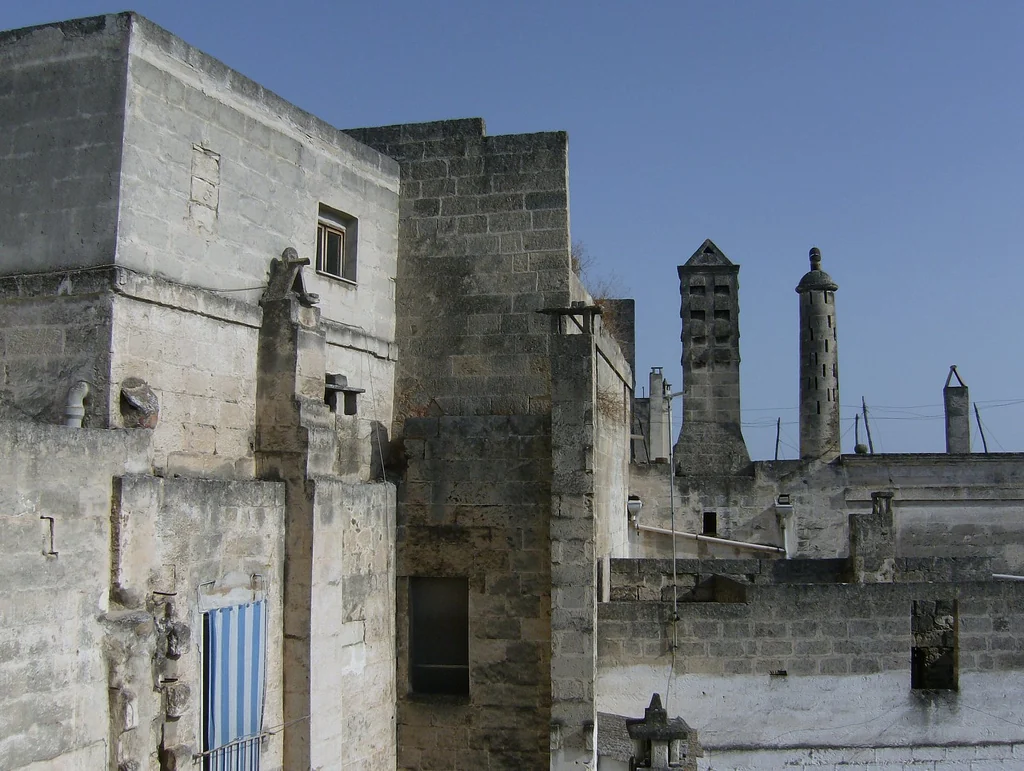
Photo: gunzapper · Wikimedia Commons · CC BY 2.0 · Resized and converted to WebP.
A production quarter in rock
The Ceramics Quarter follows the San Giorgio ravine. Workshops and kilns were created in rock-cut spaces, some previously used as oil mills. The Episcopal Castle and Ceramics Museum add another layer to understanding the town.
Sources: Grottaglie — fonte istituzionale
From the episcopal castle to museum stables
The Castello Episcopio stands beside the production quarter and recalls the bishops’ power over the territory. Its tower, arranged on four levels, is a particularly recognisable feature; loggias and later rooms reveal successive changes. The ceramics museum occupies the former stables. Moving from workshops to collected objects makes it possible to compare domestic and decorative pottery. Look beyond the most striking piece: a vessel’s shape, capacity and surface also suggest everyday actions, storage and use.
A craft continuing into contemporary art
The municipality describes the Mediterraneo competition and its Grande Opera section, connecting ceramic sculpture and installations with the town. Acquisition of the winning work adds to the museum collection. Grottaglie ceramics therefore extend beyond historic forms: materials and techniques remain a field of experimentation. This refers to the documented 2026 initiative, rather than promising that exhibition during every stay.
Form, surface and use: looking at a workshop
Choose a few contrasting objects: tableware, a decorative form and a piece defined by its surface. Look first at size and profile, then the rim and changing light across the glaze. If the maker is available to talk, ask which stage determines the result: shaping, drying or firing. Not every encounter needs to become a class. One clear explanation about a visible object gives meaning to the next workshop. Buyers can discuss use, care and transport rather than choosing solely by colour.
From the quarter to the table, then Taranto or Crispiano
Museum and workshops work best as two views of the same craft: collected objects and objects still being made. Put a town walk between them rather than staying indoors all day. A meal can continue the theme of function by noticing how a dish changes with its vessel. Taranto adds ancient objects at MArTA; Crispiano shifts towards farm buildings and harvest preservation. Choose a direction instead of accumulating stops. Apulica can arrange guiding and transfers, leaving real time for conversations with makers.
YOUR JOURNEY
How to shape a journey here
Look first at the relationship between workshop and setting, then at the shapes of the objects. A conversation about ceramic work is more rewarding than rushing between shops.
Talk to us about it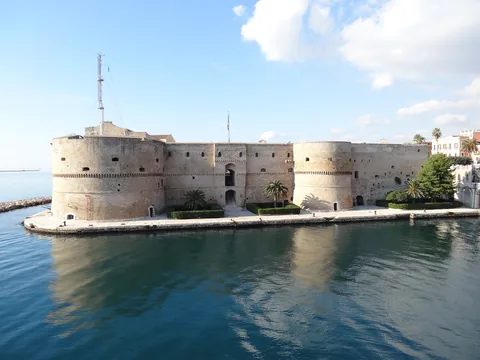

.JPG)

