Basilicata / PLACES, FOOD, CULTURE
Potenza: archaeology in the regional capital
Objects can orient a journey inland: use their origins and purposes to recognise different histories and territories.
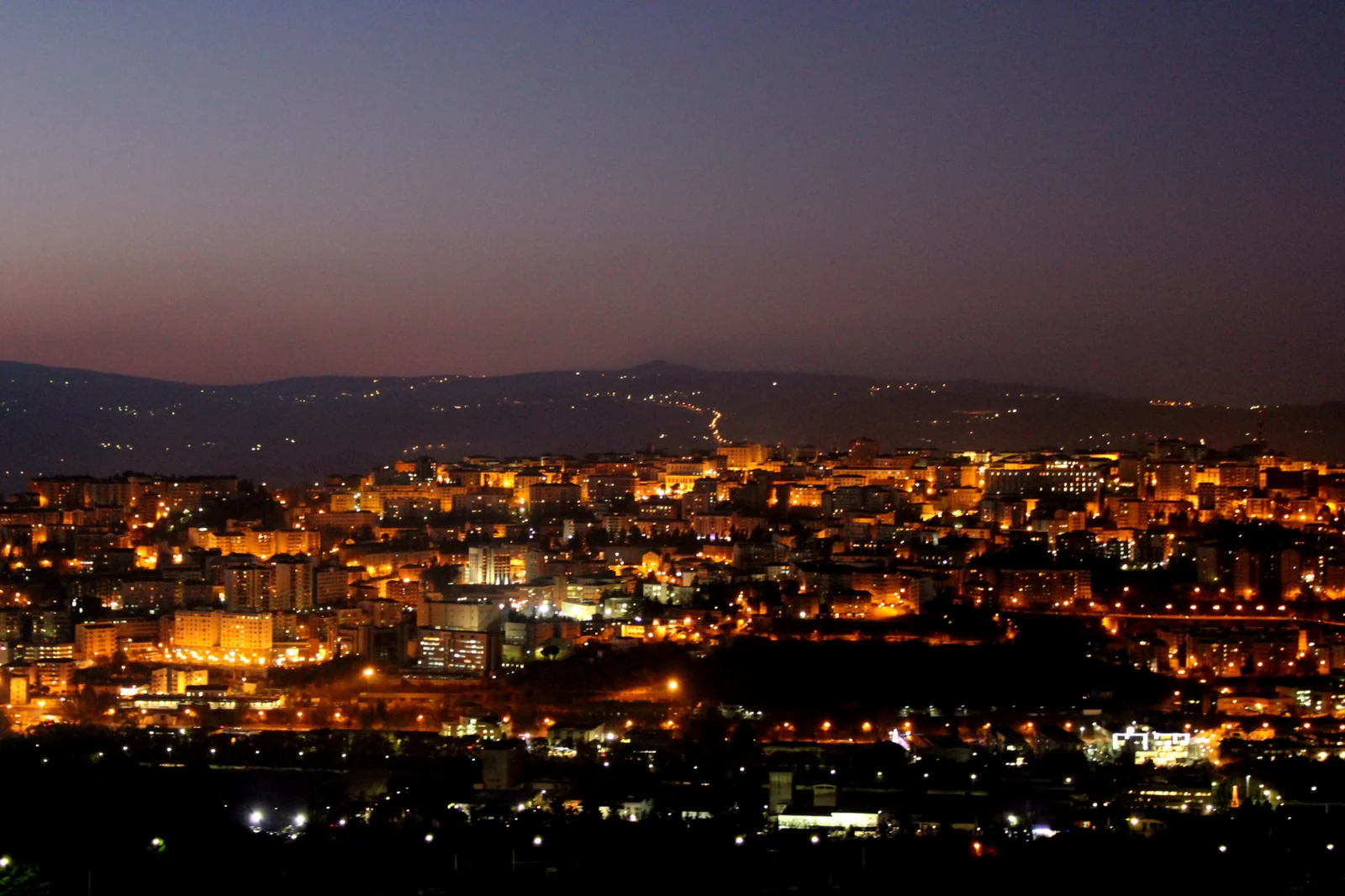
Photo: Antonio Petrullo · Wikimedia Commons · CC BY-SA 3.0 · Resized and converted to WebP.
What to notice
In Palazzo Loffredo, the Dinu Adamesteanu National Archaeological Museum explores cultures of central and northern Basilicata. The complex also includes the civic gallery and Celestine chapel, bringing together different periods and visual languages.
Sources: Potenza — fonte istituzionale
A detail that changes the visit
The museum is named after the Romanian-born archaeologist who became Basilicata’s first archaeological superintendent. Its displays combine chronological order with geographical origin. Grave goods from Vaglio include armour, ornaments and objects expressing social distinctions; offerings from the Rossano sanctuary instead reveal religious practices through bronze, terracotta and precious metals. Distinguishing cemetery from sanctuary helps visitors navigate the collection. The objects are not isolated decorations: their purpose and place of discovery explain different aspects of ancient communities.
Sources: Museo Dinu Adamesteanu — il museo
San Gerardo: a city inside its cathedral
San Gerardo Cathedral reveals different periods within one building: medieval fabric was transformed, with a neoclassical façade and a stairway defining the approach. Inside, the dome painted in the twentieth century by Mario Prayer also depicts Potenza’s community in procession. The interest extends beyond devotion to the patron saint: a religious image can document how a city represents itself.
A walk that acknowledges the slopes
Start with the archaeological museum to orient yourself within the region, then continue to the cathedral and central public spaces. Alternate objects, streets and a pause: archaeology supplies historical depth while the city introduces the present. Check slopes and access before choosing the route, particularly for travellers avoiding lengthy uphill walks. Rather than collecting every church in an afternoon, remember one cathedral detail, one museum object and one square observed without haste. This gives Potenza an urban moment of its own, instead of treating it as a transit stop between mountain and village destinations.
A city connecting different landscapes
Potenza can connect the Lucanian Dolomites with Vulture, provided the transfer does not become a race to add another name. Staying in the city makes sense for an evening meal and walk without further driving; a predominantly outdoor day would suggest another base. At dinner, seek understandable Lucanian cooking that explains ingredients and preparations rather than combining every regional tradition. Castelmezzano shifts the next day towards rock and village; Melfi and Vulture towards castle, volcano and wine. Apulica can organise these connections around one clear direction rather than a journey scattered across the map.
YOUR JOURNEY
How to shape a journey here
Potenza can provide context for an inland journey. Start with the finds and then look for their landscapes along your route, rather than treating the museum as an isolated episode.
Talk to us about it