Basilicata / PLACES, FOOD, CULTURE
Lauria, the town beyond Papaleo’s scenes
Cinema can introduce Lauria without becoming its only story. A close visit combines everyday life, architecture and personal histories. A stop changes the rhythm between mountains and coast and reveals a town’s value even beyond a familiar image.
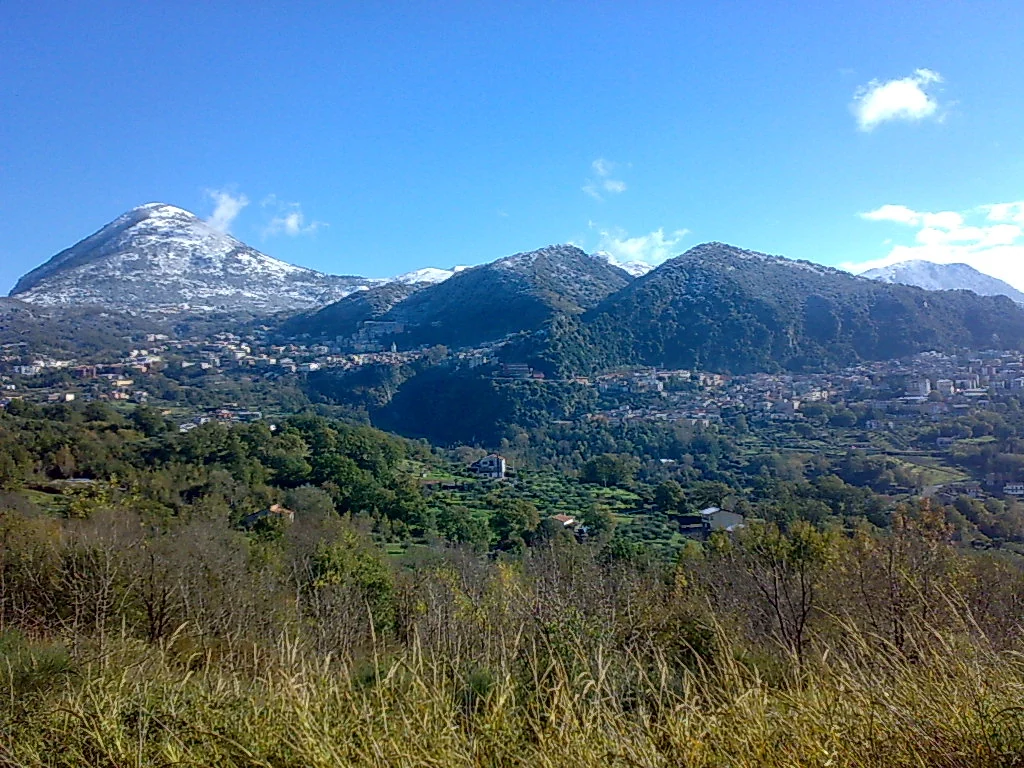
Photo: Gianni Lupindo · Wikimedia Commons · CC BY-SA 2.0 · Resized and converted to WebP.
Castello and Borgo
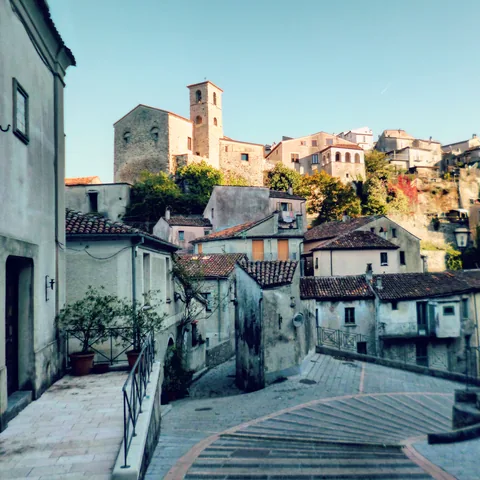
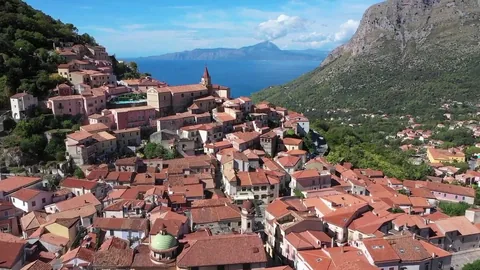
APT Basilicata describes two neighbourhoods: upper Lauria, called Castello, and lower Lauria, the Borgo, separated by Ravita. It also identifies Blessed Domenico Lentini as the town’s patron. Urban structure and religious memory give a walk a context beyond cinema.
Sources: APT Basilicata — Lauria
A location in Scordato
Italy for Movies identifies Lauria among Scordato’s principal locations and as Papaleo’s hometown. The connection is both biographical and related to production. This does not turn the plot into the director’s biography: the central character and his story belong to the film.
Sources: Italy for Movies — Scordato, Lauria, Maratea e Salerno
The Castello and the Borgo
Lauria has two districts: the upper Castello and the lower Borgo. Its centre preserves stone portals, wrought-iron railings and decorated palaces. Italia.it also recalls devotion to Blessed Domenico Lentini in San Nicola di Bari church. These details give the stop more substance than its association with Rocco Papaleo alone: urban form, craftsmanship and religious memory come together.
Cinema as an invitation to look
A Scordato scene may bring travellers to Lauria, but the town should not remain a backdrop to recognise. First consider the relationship between its two districts, then examine a threshold, portal or piece of ironwork. Connect details with the crafts of building and decoration without inventing workshops available to visit. Film becomes useful when it prompts comparison between screen and street: what does a frame isolate, and what surrounds it in reality? A guide can connect both readings, leaving time for conversation and a meal. Lauria can be the focus of a cultural day rather than a short photographic detour.
The interior before the Tyrrhenian coast
Lauria, Trecchina and Maratea support a journey that changes landscape without losing its thread. Begin with inland streets, continue with bread and chestnut culture in Trecchina, then reach the coast. Spring and autumn suit a programme prioritising towns and walking; adding beach days should reflect that interest without reducing the interior to a transfer. An inland overnight allows time for village life, while a coastal base changes the rhythm. Cinema remains a cultural connection, not proof that every stop matches a film’s fictional journey. Apulica can shape the sequence through visits, travel and food encounters arranged for the season.
YOUR JOURNEY
How to shape a journey here
Memory and cinema between inland places and coast, with visits and guiding arranged for the travel period.
Talk to us about it