Basilicata / PLACES, FOOD, CULTURE
Rotonda: town and Pollino heritage
Village and museum can prepare your reading of the mountain: explore community and environment beyond hiking alone.
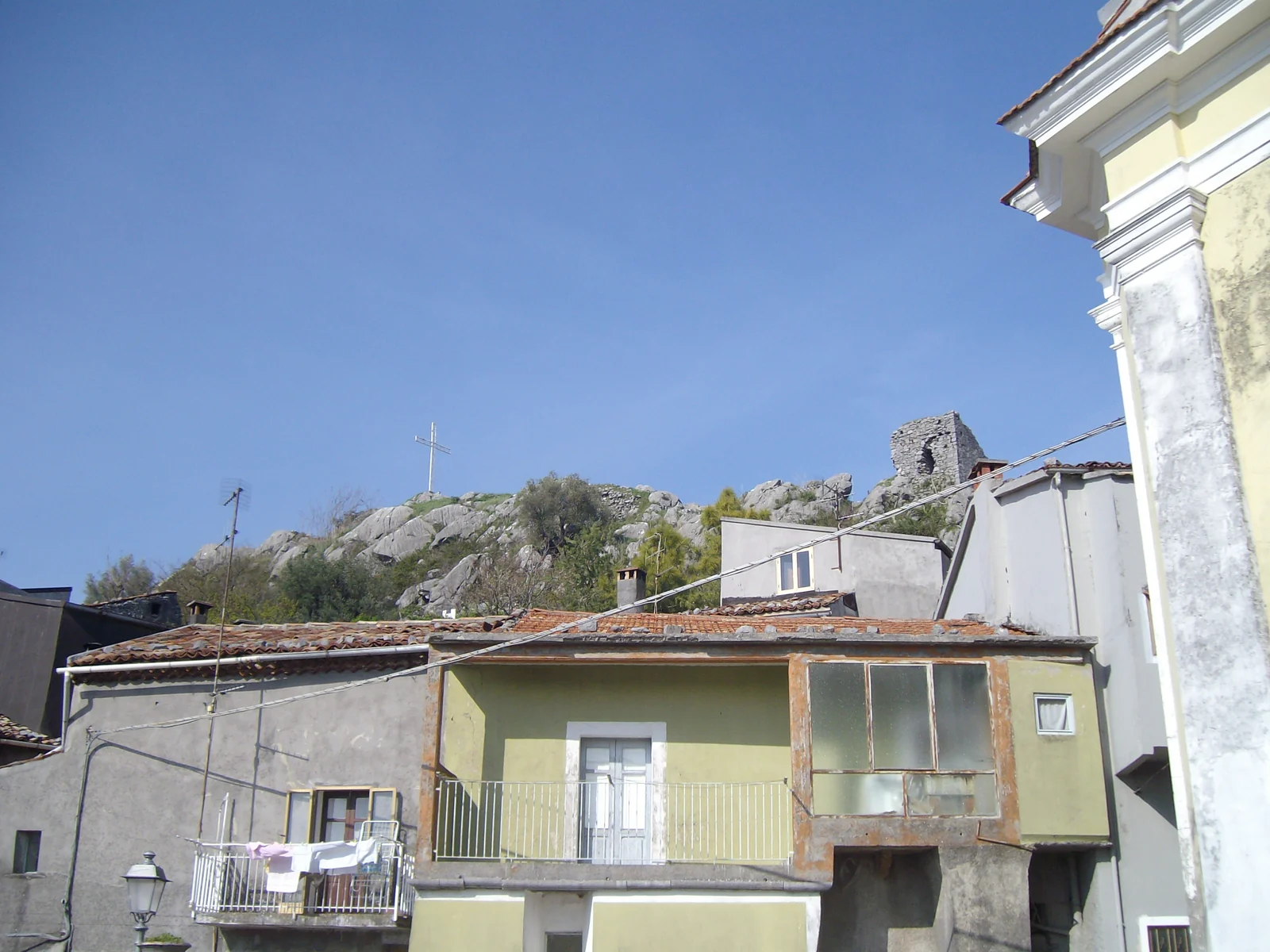
Photo: Luca Raimondi · Wikimedia Commons · CC BY-SA 3.0 · Resized and converted to WebP.
What to notice
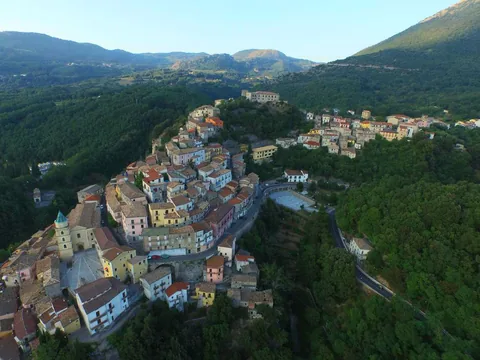
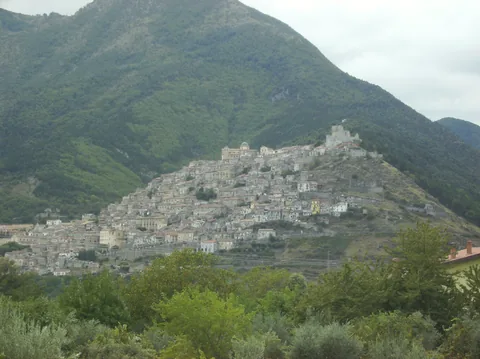
Rotonda houses the Pollino National Park headquarters. The old centre climbs towards the castle remains; Santa Maria della Consolazione also houses the Ecomuseum. The natural history and palaeontology museum preserves evidence of animals once living in the valley.
Sources: Rotonda — fonte istituzionale
A detail that changes the visit
The Ecomuseum presents the Pollino through images, films and multimedia, placing environment alongside human presence. It introduces the territory beyond hiking, encouraging visitors to recognise relationships between landscape and communities. The town can be read with the same question. A reused religious building, an old settlement and a natural-history collection tell different mountain stories; bringing them together distinguishes the history of habitation from that of habitats. Rotonda therefore has an identity of its own, including for visitors who do not want every day to become a high-level walk.
An aubergine that changes expectations
Rotonda’s PDO red aubergine belongs to Solanum aethiopicum; its mature fruit resembles a small orange tomato. ALSIA describes manual harvesting from July to November and a production area also including Viggianello and the two Castelluccio towns. Preservation in oil or vinegar accompanies uses in cooked dishes. Tasting it means distinguishing colour, texture and processing rather than automatically expecting the flavour of a familiar purple aubergine.
From an ingredient to its landscape
Use the aubergine to build a visit extending beyond tasting. Ask whether it is fresh or preserved and which process has changed its flavour, especially outside harvest time. In the town, the museum and buildings described by the sources shift attention from ingredient to community. An agricultural object or natural-history exhibit can introduce the relationship with Pollino. For families, comparing fruit shape, tools and landscape images supplies a concrete thread more engaging than an unspecified traditional lunch followed by a walk without a theme.
A base for the Lucanian side of Pollino
Rotonda can form an itinerary with Viggianello without requiring a long high-altitude excursion. Devote a day to the town, food and an accessible landscape, keeping a more demanding walk separate. During harvest months, compare a fresh preparation with a preserve; at other times, preserves show how a season continues in the pantry. Choose overnight accommodation around the following day to avoid unnecessary driving after dinner. Morano changes both the urban image and side of the massif; Terranova takes the journey in another direction and deserves its own stage. Apulica can assemble these connections around the group rather than turning Pollino into a mileage contest.
YOUR JOURNEY
How to shape a journey here
A useful starting point for connecting town and mountains: the museum helps you look at the landscape with more informed questions.
Talk to us about it