Basilicata / PLACES, FOOD, CULTURE
Scanzano Jonico: farmland and coast
The sea complements the agricultural landscape without explaining it alone: consider buildings, land and water before the beach.
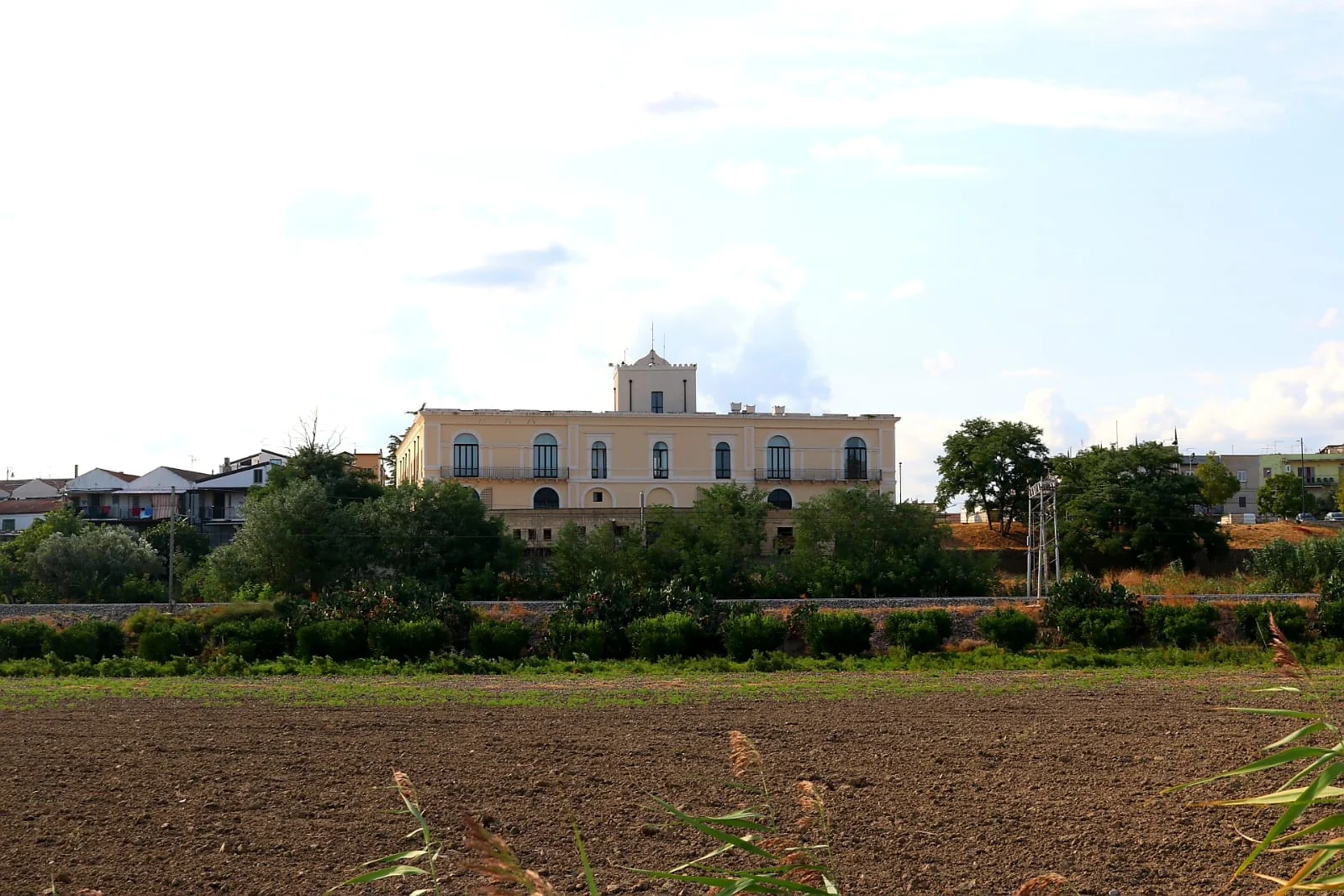
Photo: Mariagrazia Brunetti · Wikimedia Commons · CC BY-SA 4.0 · Resized and converted to WebP.
What to notice
Citrus, fruit and vegetables characterise the farmland. The baronial Palazzaccio retains its courtyard and tower; Recoleta illustrates fortified farm architecture. At the mouth of the Cavone the landscape changes to dunes and pine woodland.
A detail that changes the visit
Scanzano became an independent municipality in 1974 after its earlier relationship with Montalbano Jonico. The plain between the Cavone and Agri rivers reveals a territory transformed by reclamation and agricultural work. The sea alone does not explain this landscape: the historic centre, production areas and fields belong to the same settlement story. The Palazzaccio provides a reference between the old town and coast. Compare the organisation of the land with the compact form of the building, rather than passing through the countryside without noticing it.
From town centre to shore
Scanzano works on two scales. Start in the older centre with the building described by the municipality, observing public space, architecture and everyday activity. At the shore, change perspective: fewer monuments, more attention to the landscape and the transition from settlement to coast. An agricultural seaside town does not need to become a monumental centre to be interesting. Look for visible traces of work, changes brought by tourism and spaces used beyond the holiday season. A town walk followed by a coastal pause can explain the difference better than a day spent entirely beneath a beach umbrella.
An Ionian pause within a rural journey
Place Scanzano between a day exploring Metaponto’s archaeology and a stop inland. Lunch offers a chance to distinguish locally grown ingredients from those supplied through other networks: read the menu, ask about origin and choose a few dishes rather than an assumed list of specialities. In spring or autumn I would favour walking and landscape contrasts; on a summer day, allow more coastal time without imposing one pace on everyone. For an overnight stay, first choose the experience — town or shore — then the property. Apulica can shape this transition as a complement to a cultural rural journey, keeping beach time distinct from a sightseeing day.
YOUR JOURNEY
How to shape a journey here
A stop for understanding the agricultural Ionian coast: connect the town with its countryside and treat the sea as a pause within that story.
Talk to us about it

.jpeg)