Basilicata / PLACES, FOOD, CULTURE
Melfi: the castle and the chestnut landscape
Melfi can anchor the historical chapter of a Vulture journey, but the visit does not end at the castle. The town and its chestnut culture add an everyday dimension. Think of a stop combining museum exploration, a walk and time to recognise the landscape through food.
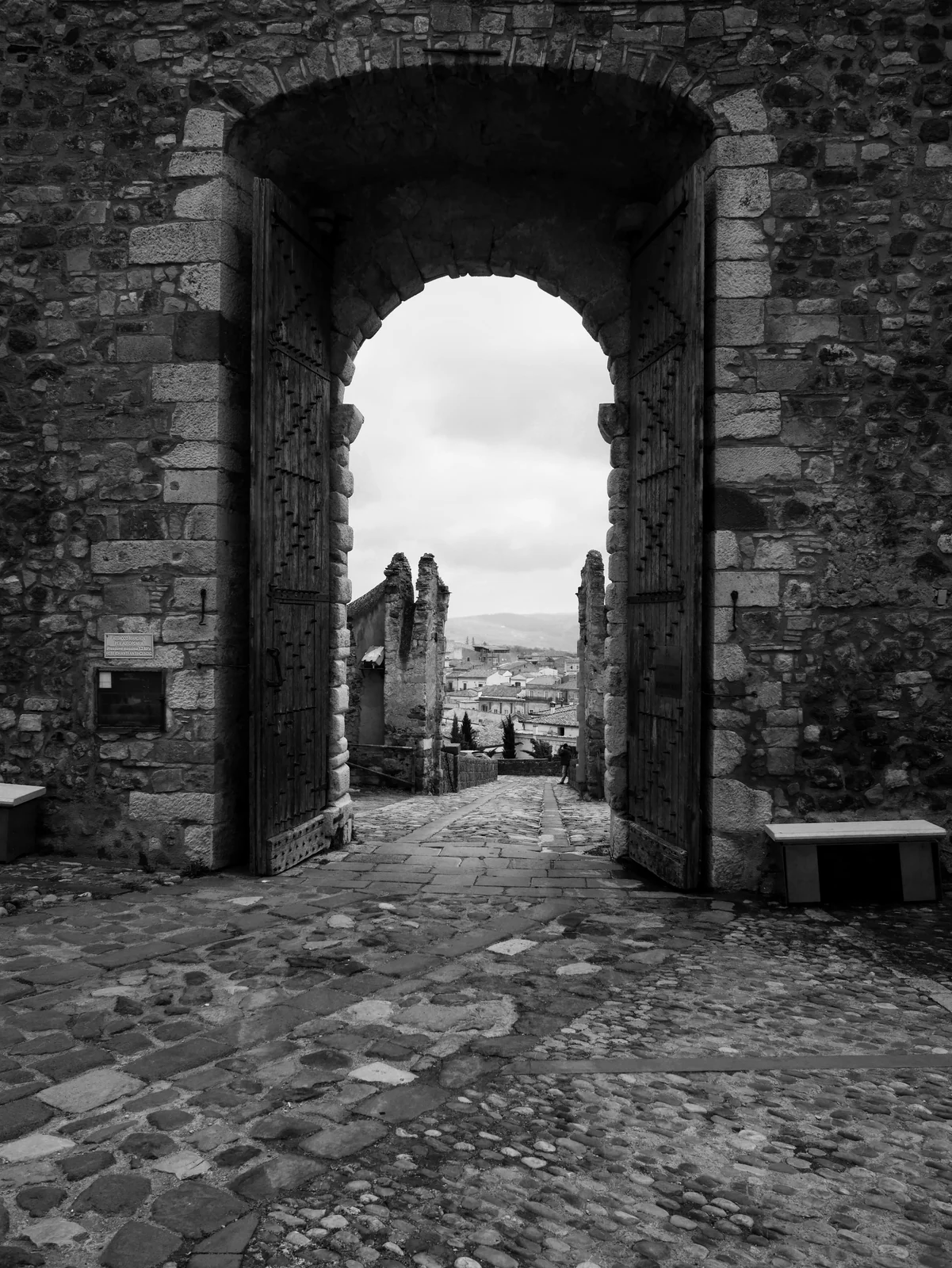
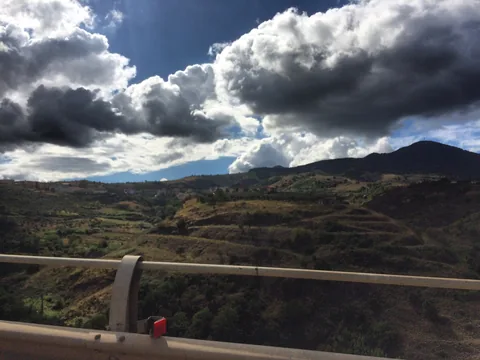
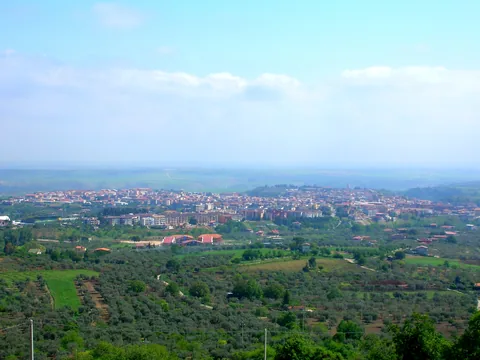
Photo: Parisma62 · Wikimedia Commons · CC BY-SA 4.0 · Resized and converted to WebP.
Reading the town beyond its castle
The castle dominates Melfi and connects the town with Norman and Swabian history. The centre preserves Santa Maria Assunta Cathedral and traces of its medieval past. Connecting these places rather than treating them as separate episodes helps explain Melfi’s role within the Vulture area.
Sources: Basilicata Turistica — Melfi
The Rapolla sarcophagus: a detail worth exploring
The Massimo Pallottino National Archaeological Museum preserves the Rapolla sarcophagus, discovered in 1856. Its marble, figures and columned structure invite close observation of a Roman funerary object. It can become the visit’s focal point: spending time with one work makes the museum more memorable than moving quickly through its rooms.
Sources: Ministero della Cultura — Sala dei Sarcofagi, Museo di Melfi
Marroncino chestnuts and Varola
Melfi’s marroncino is a chestnut from the Vulture area. The Varola tradition takes its name from the perforated roasting pan: a utensil expressing the relationship between produce and cooking. This autumnal theme complements the historical heritage through a flavour and a gesture rather than simply adding another monument.
Porta Venosina and the walled town
Porta Venosina is the surviving town gate, while the medieval centre preserves a pattern of houses and lanes. Italia.it places Santa Maria Assunta cathedral and the nearby rock churches of Santa Margherita and Santa Lucia alongside the castle. Heritage extends beyond the great fortress, introducing different ways of building, decorating and organising religious and civic space.
From an object back to the town
The castle can introduce Melfi, but the archaeological collection deserves its own question. Before the sarcophagus, for example, focus on what an object reveals about imagery, materials and memory, then return to the building housing it. Outside, walking restores the monument’s scale: walls, entrances and houses show that a fortress did not exist separately from the town. Alternating interior and street is more interesting than a programme of grand rooms alone. Finish with a quiet pause to compare observations, or continue with a religious theme if that is the journey’s particular interest.
Castle, chestnuts and the surrounding Vulture
The local chestnut connects the town with its agricultural landscape through processing rather than a product name alone. At the table, ask how it changes between preparations or what place it holds in the cook’s family memories. Monticchio takes the journey towards the lakes; Venosa offers a comparison between archaeological and urban traditions. Choosing these stops together produces a coherent route without making Melfi merely the castle stop. Cultural guiding, a food encounter and transfers can be organised around one theme. Pauses between visits matter: they connect an object, a story and a taste instead of accumulating unrelated information.
YOUR JOURNEY
How to shape a journey here
Journey idea: pair Melfi with Monticchio’s lakes to contrast history and nature, or with Venosa for an archaeological thread. Time for a walk places the castle within a living town rather than making it an isolated visit.
Talk to us about it