Puglia / PLACES, FOOD, CULTURE
Martano, an introduction to Grecìa Salentina
Martano offers a view of Salento through town and countryside. Its appeal lies in contrasting scales: an intimate courtyard, a palace, a megalithic monument, a place of study. A stop here changes the pace of a journey and provides a counterpoint to time on the coast.
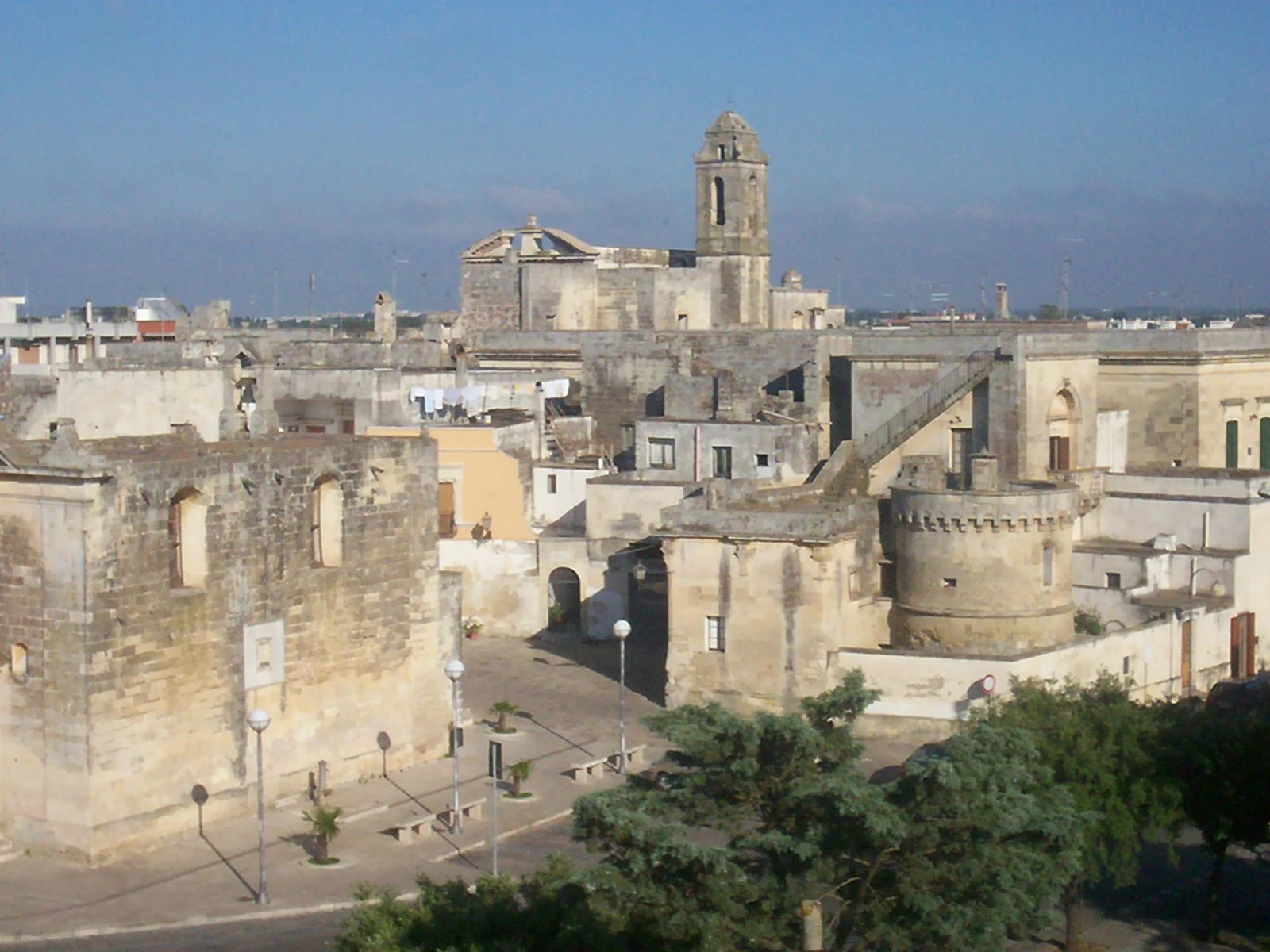
Photo: Freddyballo · Wikimedia Commons · CC BY-SA 3.0 · Resized and converted to WebP.
Palaces, courtyards and the Teofilo menhir
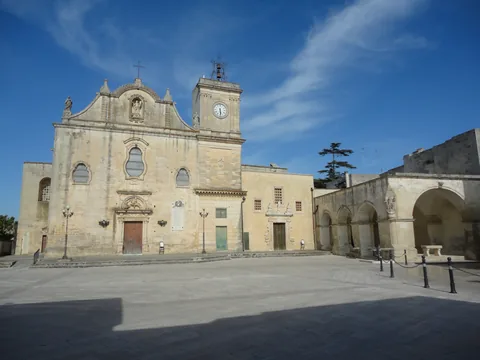
The heritage described by the Grecìa Salentina municipal union includes courtyard palaces, churches and the Teofilo menhir. The town also retains its Aragonese-origin castle, altered over time. These places represent different periods: the upright megalith contrasts with the domestic scale of courtyards and the architectural language of religious buildings.
Santa Maria della Consolazione
The Cistercian monastery presents a library, an archive and products associated with monastic traditions. Alongside the historic centre, it introduces another theme: the relationship between study, preserving memory and work. Its religious and cultural identity deserves attention beyond the appeal of its products.
Sources: Monastero cistercense di Santa Maria della Consolazione — Martano
A balcony reveals stoneworking skill
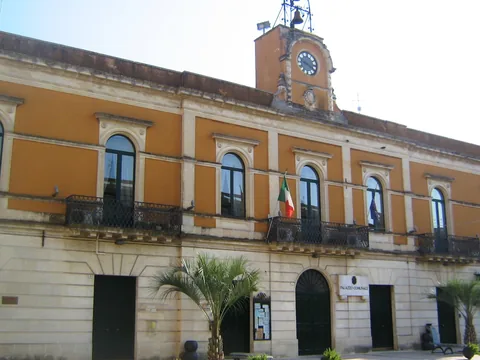
Palazzo Moschettini, built in the early eighteenth century, has an asymmetrically placed doorway and a balcony carried by carved brackets. The municipality also points to Palazzo Micali and Palazzo Pino: varied supports, arches and ornament reveal local craftsmanship. In the old quarter, known as Terra, streets form a regular pattern. Observe both the order of the plan and the invention within a single detail.
Sources: Comune Martano — Arte e monumenti
A walk through courtyards and façades
Build the walk around domestic space and public display. Observe courtyards and thresholds first, then a more elaborate façade: how do entrance, street relationship and scale change? The castle introduces control over the centre; the menhir raises a much earlier question, distinct from the houses’ history. Rather than collecting every palace, read two examples carefully and return to a detail. For photographers, a sequence of doorways and balconies can describe Martano more precisely than a single general view.
The monastery, countryside and local cooking
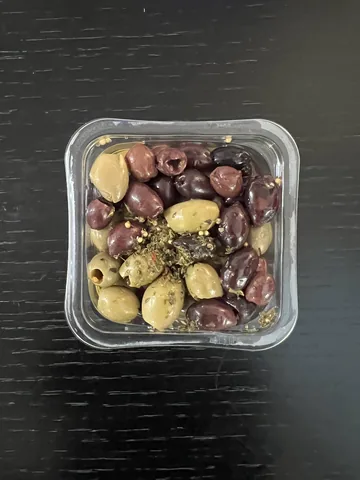
The monastery adds study and preservation, distinct from the town’s architecture; give it its own moment rather than treating it as a product shop. At lunch, seek local cooking whose ingredients and methods can be explained. Calimera continues memory and language; Otranto shifts towards art and the coast. Choose town or countryside accommodation around the following stage. Apulica can connect these stages through guiding, a selected table and time to know the village.
YOUR JOURNEY
How to shape a journey here
Courtyards and monastic culture, connected with Calimera or Martignano. Visits and encounters are arranged for the travel period.
Talk to us about it