Irpinia / PLACES, FOOD, CULTURE
Avellino, a cultural introduction to Irpinia
Avellino offers an urban pause within a journey of small towns and rural landscapes. It can introduce Irpinia’s history and provide context for later stops.
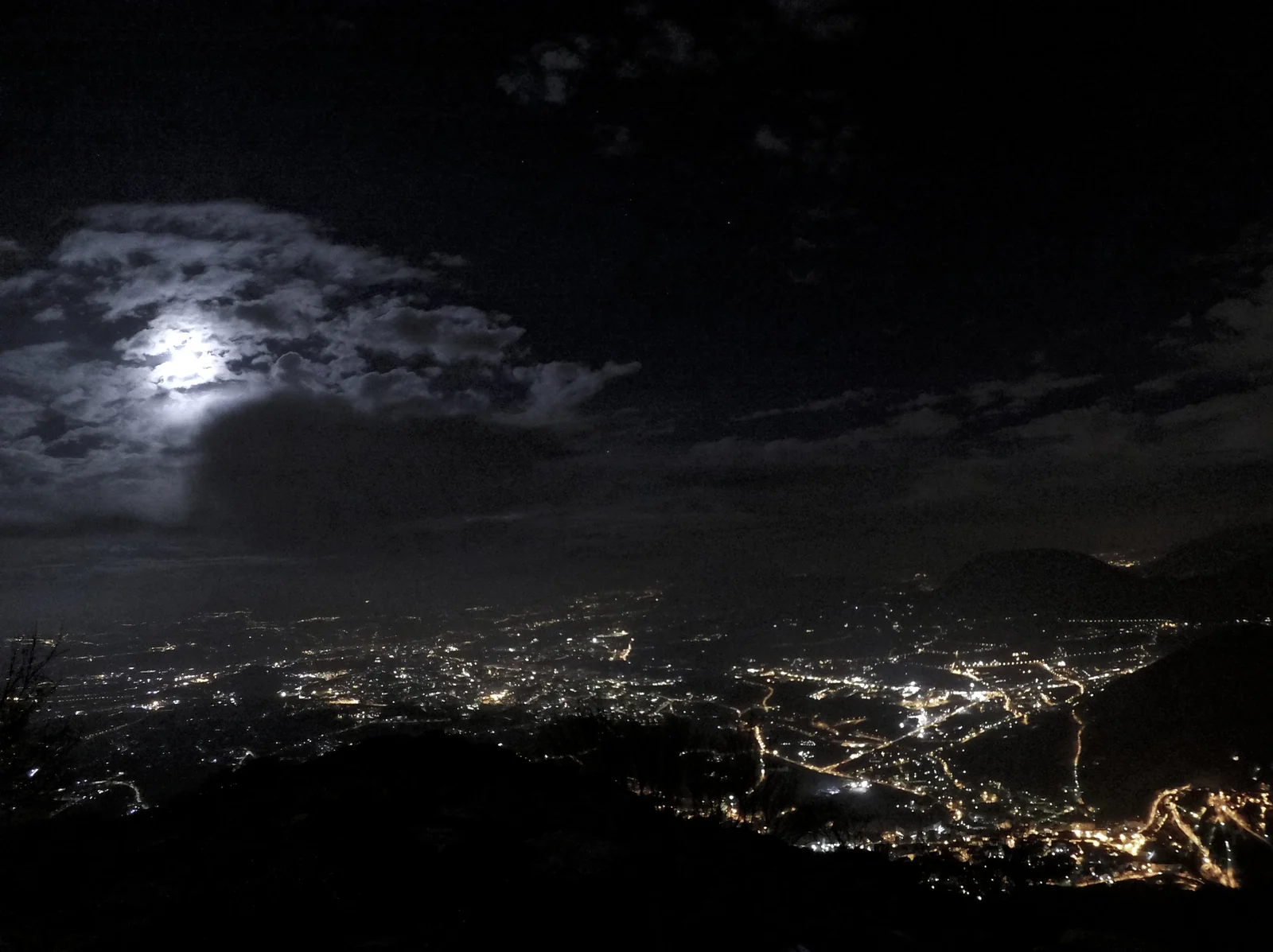
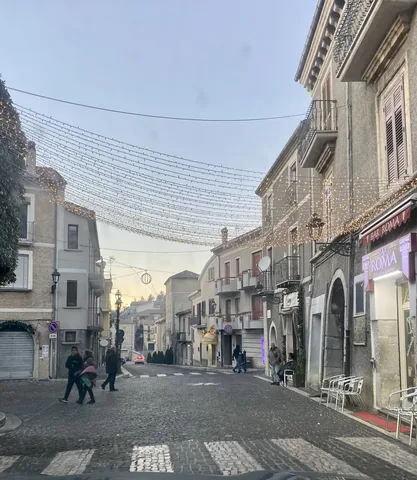
Photo: Francesco Matarazzo · Wikimedia Commons · CC BY-SA 4.0 · Resized and converted to WebP.
The Clock Tower
The Clock Tower is a Baroque landmark in the old centre. The province records its reconstruction after the 1980 earthquake, connecting the monument with the city’s recent history. Its relationship with surrounding streets and buildings gives a walk a theme of heritage and rebuilding.
Sources: Provincia di Avellino, Sistema Irpinia — Torre dell’Orologio di Avellino
Museo Irpino
Museo Irpino’s collections are housed in the Palazzo della Cultura and the monumental former Bourbon prison complex. Places and objects introduce the territory’s history. Choosing a theme can make the museum a useful introduction to Irpinia rather than a separate interruption within the journey.
Sources: Museo Irpino — Le sedi
A name leading beyond the city
Fiano di Avellino is a DOCG associated with a production area in the province. The wine’s name does not refer solely to the city: it invites exploration of the surrounding territory. This distinction connects an urban stop with rural visits, through both product and landscape.
The old town beyond the tower
A municipal visiting map brings together the cathedral, Piazza della Dogana, Bellerophon Fountain, castle and Casina del Principe. It also distinguishes underground routes through crypts and passages. This documents urban heritage rather than a current access schedule, but shows how much the city offers beyond its most photographed landmark. Buildings and public spaces allow several readings of the town.
Walking through a regional capital
Use Avellino as an introduction to Irpinia: start with a museum collection to choose a theme, then return to the centre. The walk can focus on relationships between squares and monuments: where space opens, what survives of a building, which detail reveals a later intervention. There is no need to exhaust every museum location; one collection followed by a walk is often clearer than a crowded programme. Time in the city also helps decide which Irpinia to seek next: wine, mountains, chestnut landscapes or small towns. The capital becomes an interpretive key rather than just a place to sleep.
Taste as a route into the territory
Fiano provides an initial connection between Avellino and wine country. At the table, compare a glass with one dish and ask why the pairing works rather than taking it for granted. Taurasi then changes both wine and setting; Montella shifts towards chestnuts and the Picentini mountains. A curated itinerary should alternate these experiences without assigning a single culinary identity to the province. The city can provide the initial orientation or the closing moment, once the stops have acquired meaning. Transfers, visits and meals should form one story, leaving enough time for conversation as well as travel.
YOUR JOURNEY
How to shape a journey here
A cultural introduction to Irpinia before villages and producers. Visits and guiding are defined for the programme.
Talk to us about it
.jpg)

.jpg)