
Puglia / PLACES, FOOD, CULTURE
Crispiano: farm estates and the Ionian countryside
Farm estates and storage tomatoes: in Crispiano the agricultural landscape enters architecture and the pantry, beyond a picturesque countryside image.
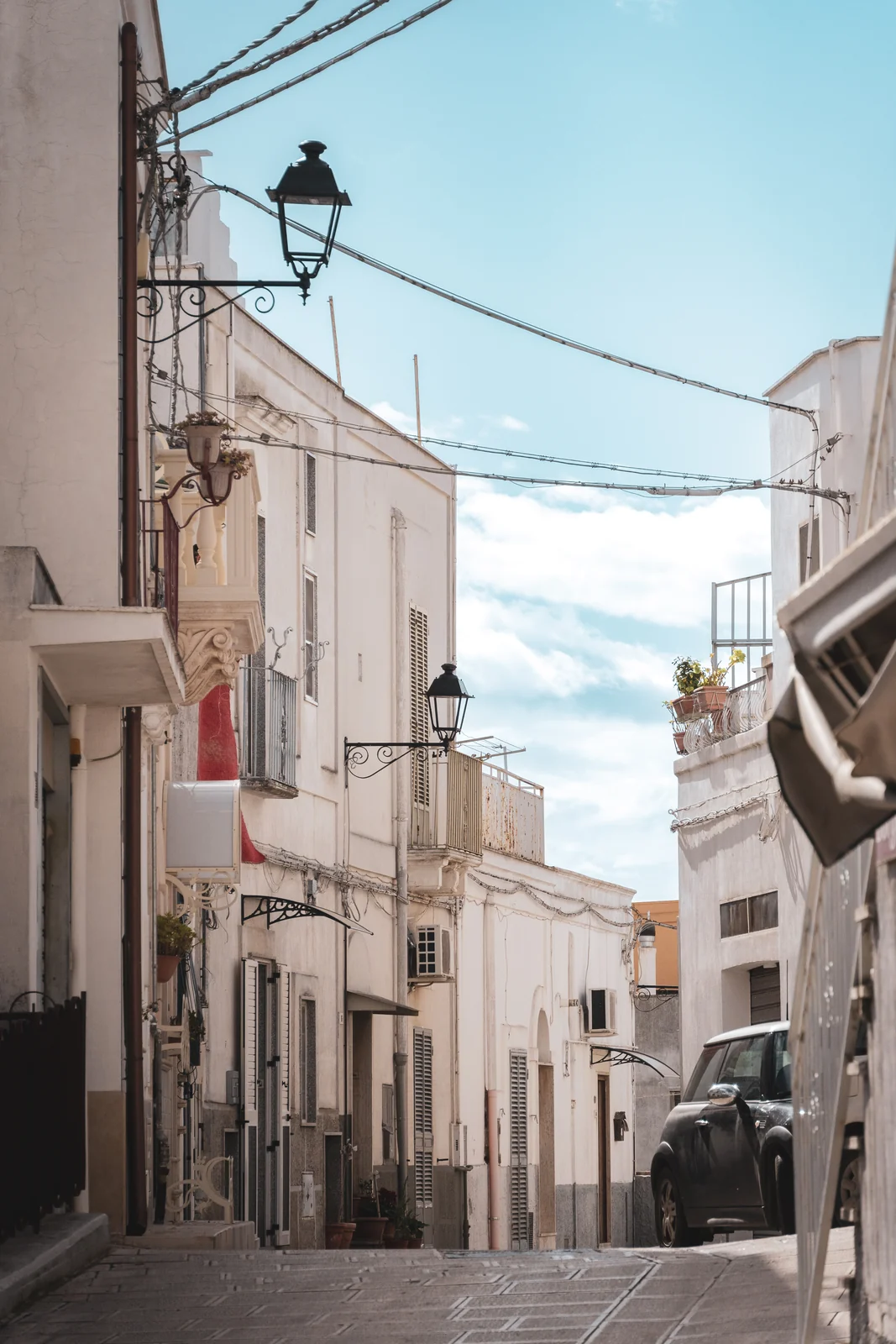
Photo: Azelf Lele · Wikimedia Commons · CC BY-SA 4.0 · Resized and converted to WebP.
Masserie and rural landscape
The area is known for around a hundred masserie, differing in scale, architecture and purpose. Some remain farms; others have changed use. The Pianelle woodland and the eastern edge of Terra delle Gravine add a natural dimension to the rural landscape.
Sources: Crispiano — fonte istituzionale
Yellow-red tomatoes and the winter larder
The yellow-red tomato gives this rural landscape a distinctive flavour. Around Vallone it grows in plots bounded by dry-stone walls; its thick skin turns yellow and orange rather than the uniform red associated with other tomatoes. The flavour retains acidity and herbal notes. Bunches are assembled into nzerte and hung beneath porticoes for winter storage. Served on frise with olive oil and oregano, it illustrates a practical way of keeping the harvest and eating it beyond its growing season.
Sources: Fondazione Slow Food — Pomodoro giallorosso di Crispiano
An identified masseria for a possible stay
Masseria Le Mesole presents houses and suites, outdoor spaces and production of oil and honey. Its official contact page locates it on SP44 in Crispiano. It is an identified option for staying in the countryside and extending the agricultural theme beyond sightseeing. This editorial reference was checked on 2026-10-06 and is not a confirmed Apulica partnership; accommodation category and conditions belong to the specific enquiry.
Sources: Masseria Le Mesole — sito ufficiale
The countryside as a system rather than scenery
Begin with a farm building and a practical question: which spaces supported work, storage and domestic life? Looking at a portico alongside hanging tomatoes explains its use beyond a photograph of a façade. The tomato then offers a simple comparison: examine colour and texture, ask about storage and taste it in a restrained preparation. A frisa keeps the ingredient recognisable. Cooks can continue the discussion around when the tomato is used and how acidity interacts with seasoning.
Stay inland, with a window towards the Ionian coast
Crispiano suits a journey where rural accommodation has a purpose rather than simply providing a bed between cities. Pair an agricultural day with Grottaglie’s objects and crafts; Taranto can introduce coast and archaeology. Spring or autumn would be my preference for countryside walking, while preserved tomatoes remain an interesting theme outside harvest time. Apulica can connect stops through transfers, guiding and a selected meal. Keep the food-producing landscape recognisable instead of repeating the same tasting daily.
YOUR JOURNEY
How to shape a journey here
Working countryside, farm architecture and flavours preserved for winter.
Talk to us about it

.JPG)
