Puglia / PLACES, FOOD, CULTURE
Gioia del Colle: castle and rural memory
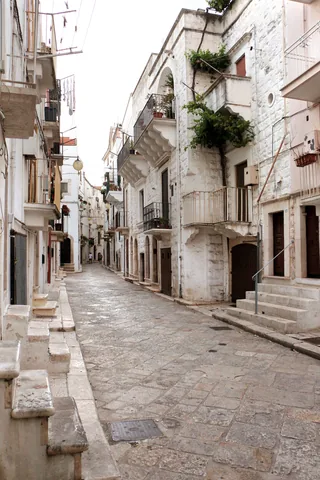
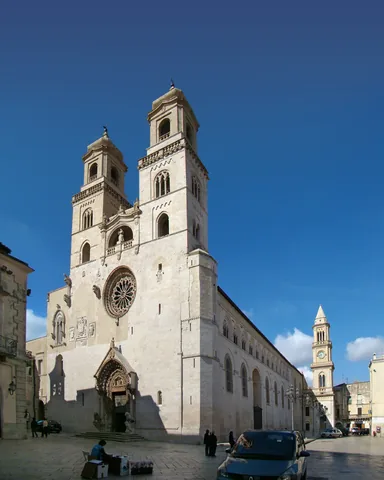
Castle, artefacts and countryside offer different scales of observation in Gioia del Colle, from an individual object to an entire settlement.
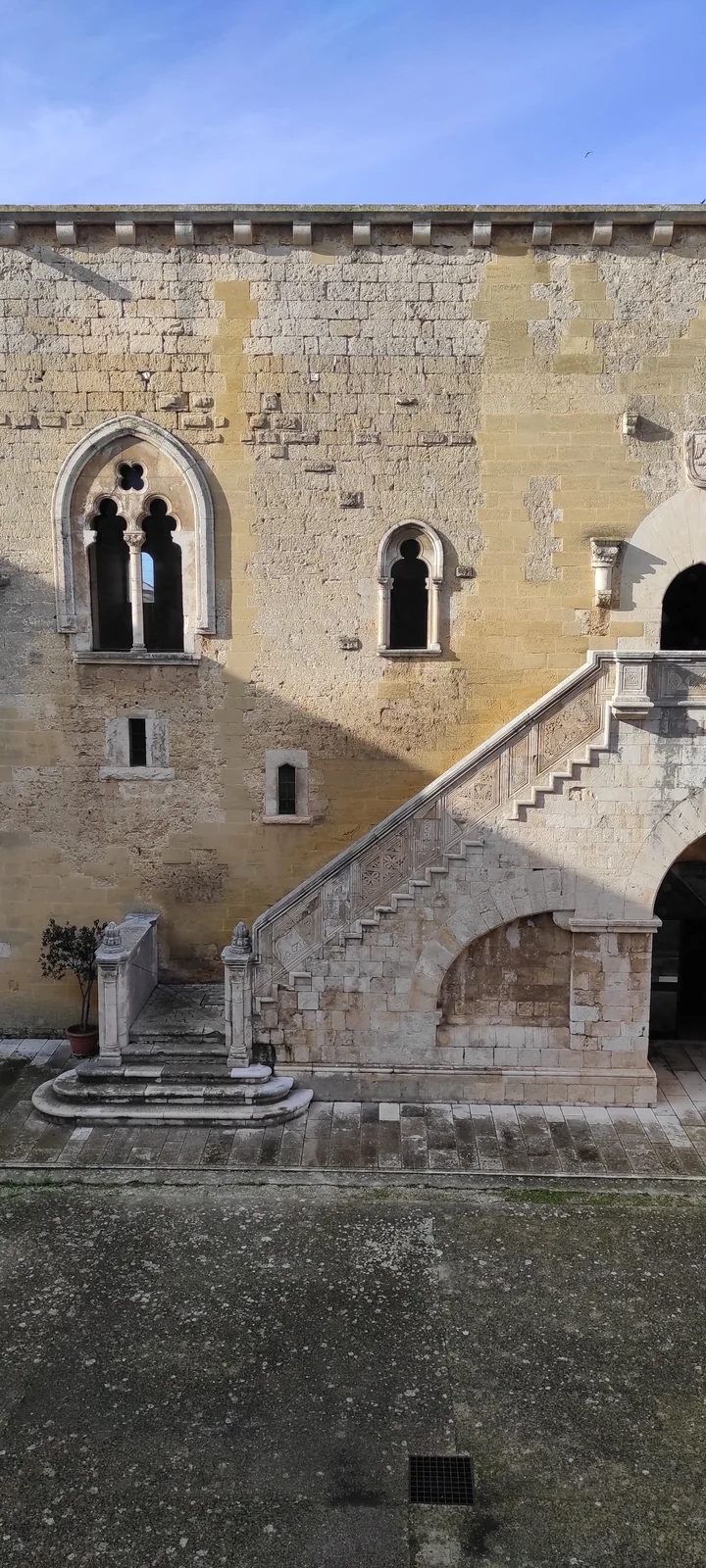
Photo: Frababz85 · Wikimedia Commons · CC BY-SA 4.0 · Resized and converted to WebP.
Castle and places of work
The Norman-Swabian Castle in the old centre houses the National Archaeological Museum. The Museum of Rural Life offers another perspective; historic distilleries and mills recall the processing of local produce.
Monte Sannace: acropolis and lower town
Monte Sannace adds the history of a Peucetian settlement to the castle visit. The site flourished particularly between the sixth and third centuries BC. Walls distinguished the acropolis from the lower town extending to the west. Following that division helps reconstruct a settlement rather than viewing isolated stones. Archaeological and nature routes begin around Masseria Montanaro and connect plain and hill. The landscape becomes part of interpreting the site, rather than a backdrop separate from its remains.
Castle and park: two distinct admissions
The national museums’ price list checked on 2026-10-06 gives full admission as €8 for Gioia del Colle Museum and Castle, €6 for Monte Sannace and €11 combined. These are admissions, not guiding or transfer charges. Comparing objects with the site gives the combined ticket a purpose: first examine a vessel’s shape, then imagine its use in the settlement.
From vessel to house: approachable archaeology
Choose a museum vessel that invites discussion of use as well as decoration: its capacity, grip and differences between domestic objects and grave goods. At Monte Sannace, return to those questions through the arrangement of space. The site becomes a place to test ideas formed before the display case rather than a disconnected second archaeological visit. Alternate outdoor exploration with a break without trying to cover every area. A clear thread makes a few remains understandable for families and non-specialists.
Gioia as a hinge within the Murgia
Plan a journey through Gioia, Putignano and Altamura with a contrast at each stop: objects and settlement, papier-mâché and festivities, bread and oven. Countryside can connect the days without turning them into a checklist of towns. At lunch, seek a simple preparation and a local product explained by the person serving it. For outdoor archaeology, I would favour cooler periods and accommodation reducing repeated transfers. Apulica can assemble visits, guiding and meals around available time, giving castle and park distinct rhythms.
YOUR JOURNEY
How to shape a journey here
A useful stop between archaeology and countryside: looking at a working building alongside the castle avoids an exclusively monumental reading.
Talk to us about it