APULICA / Stories, people and traditions
Giovinazzo before the old town: Dolmen San Silvestro
Slabs, gallery and mound reveal architecture rather than just ancient stones: the dolmen adds a different scale of memory to the journey.
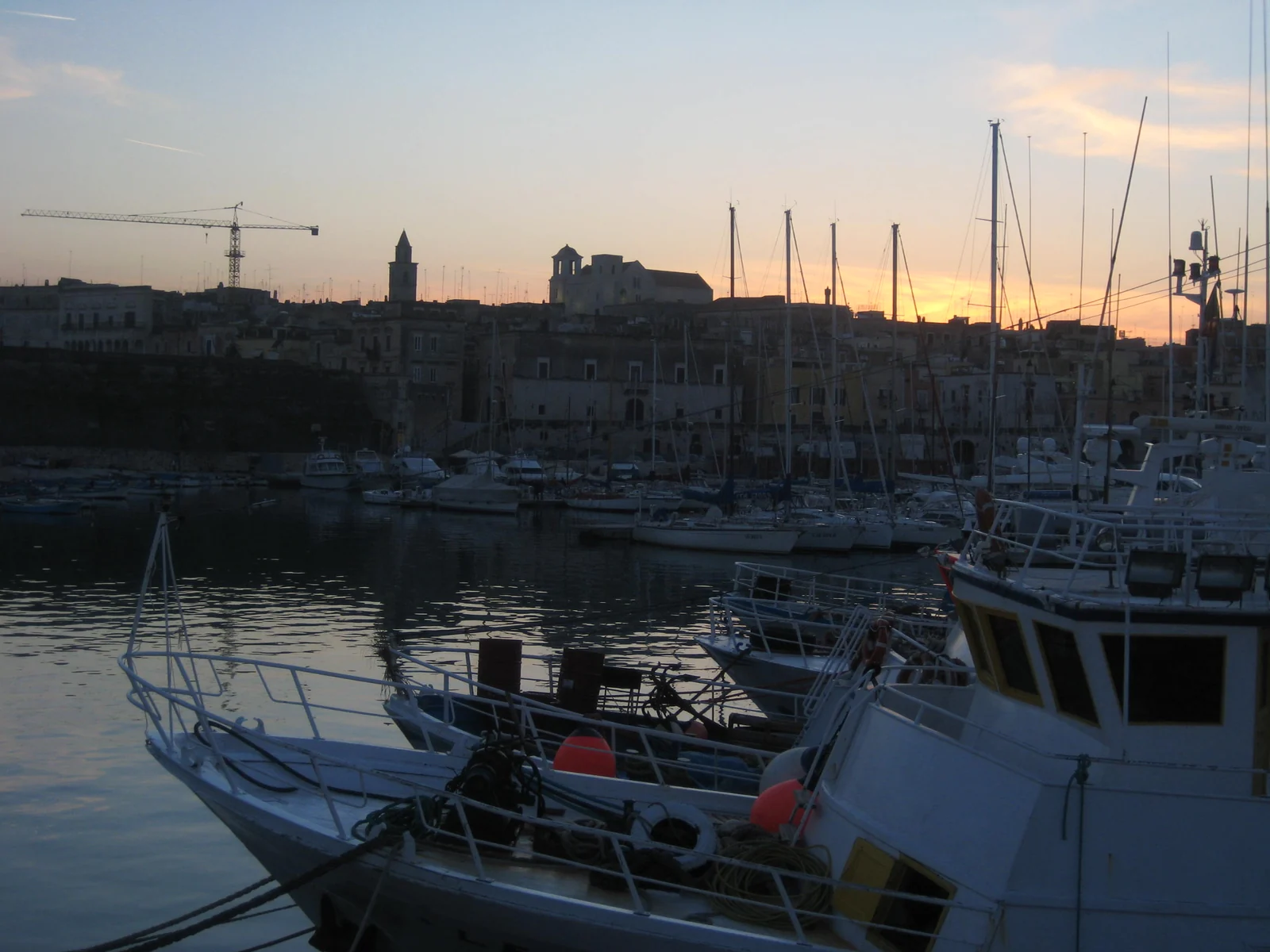
Photo: Geppisimone at Italian Wikipedia · Wikimedia Commons · CC BY-SA 3.0 · Resized and converted to WebP.
Place and history
San Silvestro is a Bronze Age collective gallery tomb. Its mound was known as Specchia Scalfanario; the structure emerged during partial demolition in 1961. Slabs, corridor and covering reveal monumental funerary architecture.
A way to recognise it
The central gallery runs north–south and originally lay beneath a stone mound. Its horseshoe-shaped southern end and part of the western side were reinstated during restoration: the visible structure therefore combines ancient remains and modern work. Excavation in 2016 also identified a wall probably intended to contain the mound. These details change how the monument is read: the external covering and the space for funerary deposition belonged to a design, rather than a simple pile of slabs.
Read the construction before photographing it
Start with the slabs: which support, which cover and where is the passage? Then consider how the internal structure related to the mound described by archaeology. This is more revealing than seeking an evocative silhouette. Ask how a space could be built, entered and closed. Restoration adds another layer: distinguish what helps us recognise its form today from ancient evidence. Comparing a plan with the monument makes that relationship clearer.
Stone between countryside and harbour
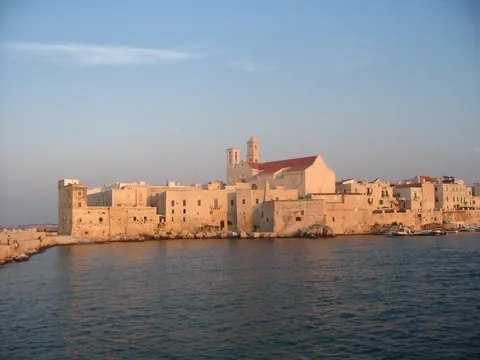
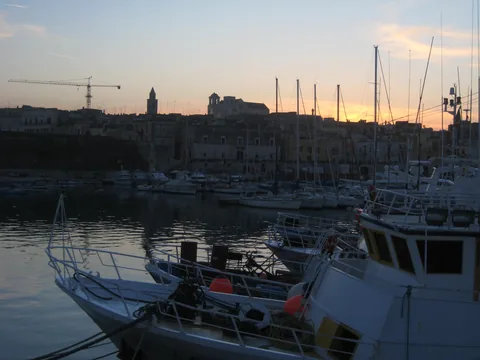
Pair the inland monument with Giovinazzo’s harbour town. Rather than assume direct continuity across distant periods, compare uses: a collective burial space and everyday spaces. A walk through the town can revisit thresholds, coverings and movement. The same material introduces different stories, offering a thread for travellers interested in how places are built without treating every stone as prehistoric evidence.
Give one monument your attention
Give archaeology its own chapter. Read the site account, observe two or three identifiable elements and reconstruct their relationship mentally. Choose an outdoor moment that supports this attention; reading or a museum can complement it elsewhere. The souvenir is a better question: what does the structure itself reveal, and what depends on interpreting the excavation?
A thread for your journey
Pair Giovinazzo’s harbour with the inland stone landscape. Notice the difference between a heap of stones and a built structure: not every specchia is a tomb.
Talk to us