
APULICA / Flavours of Southern Italy
Leccine olives: from brine to the table
Table olives deserve the attention usually given to oil. Variety, texture and curing change the tasting: a small comparison reveals what you are eating and which preserve you would use at home.
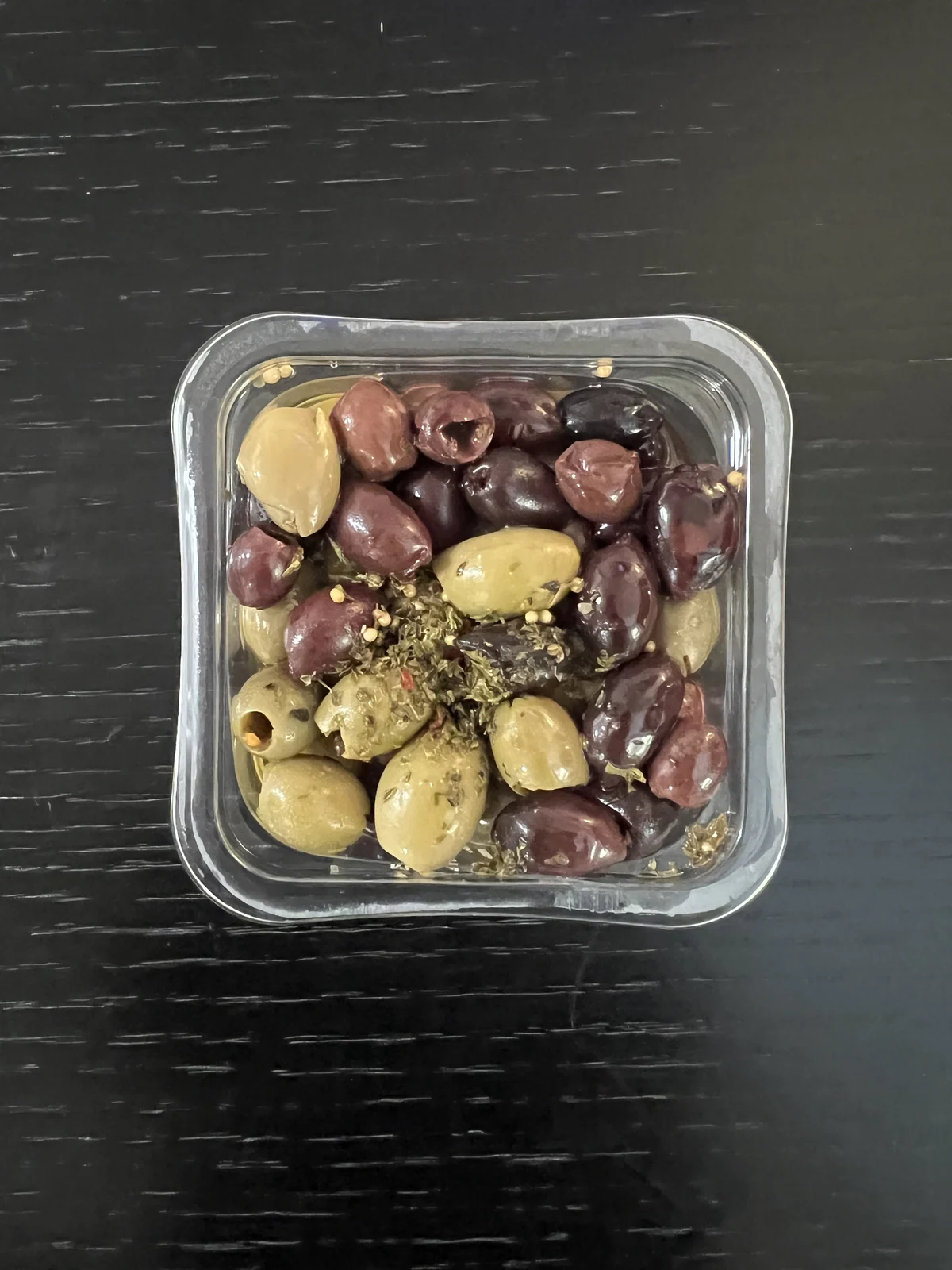
Photo: HaJunkiyada · Wikimedia Commons · CC BY-SA 4.0 · Resized and converted to WebP.
A documented Salento example
iContadini describes its Leccine as hand-picked Salento olives processed in brine. For this particular preserve it states around six months of maturation, with olives, water, sea salt and lemon juice among the ingredients. This describes that product, not a compulsory recipe for every Leccine olive. The producer places harvest in October and November: this is the fruit’s season, whereas the jar follows maturation in brine.
Sources: iContadini — Olive Leccine
The same olive, different preparations
The iContadini catalogue distinguishes whole Leccine from pitted versions seasoned with oregano and chilli; it also presents Celline and Bella di Cerignola as separate products. Its documented preserves have different ingredients: the variety name does not replace reading the jar.
Sources: iContadini — Catalogo 2023
Taste before the bruschetta
Start with a simple preserve, without bread, cheese or wine covering the comparison. Notice the flesh’s resistance to the bite, the balance between salt and olive flavour, and how long any bitterness persists. Then add a seasoned version: do herbs and chilli leave the olive recognisable or take centre stage? Two products are enough, especially on a day with other savoury foods.
Bring the comparison into cooking
Try two uses for the same jar: a simple small salad and bread with one accompaniment. Choose according to what you actually cook, rather than collecting packages because they all look regional. Keep seasoning and olive distinct in the comparison, and note whether you prefer whole or pitted fruit for the dish you have in mind.
A theme for a Salento day
In Salento, place this tasting within a day linking Lecce and an inland town, leaving the coast for another moment. The point is to recognise an agricultural transformation at the table, rather than seek only a view. Back home, a jar with the producer’s name and your notes can extend the experience: you recover the flavour and the context in which you chose it.
A thread for your journey
Journey idea: a walk in inland Salento, a comparison of two preserves and lunch observing how olives change a dish. The theme connects farming, preservation and everyday cooking.
Talk to us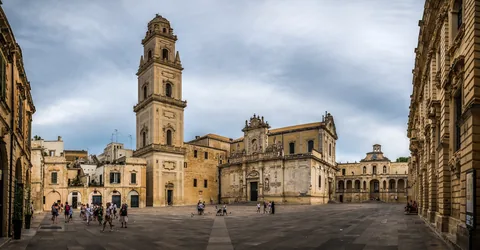

.jpeg)

