APULICA / Flavours of Southern Italy
Puglian olive oil: understanding flavour before the label
Olive oil is a practical way to read Puglia: a crop, a landscape and an ingredient that changes a dish. A good route begins with tasting and continues into inland towns, rather than choosing the journey from a bottle’s name alone.
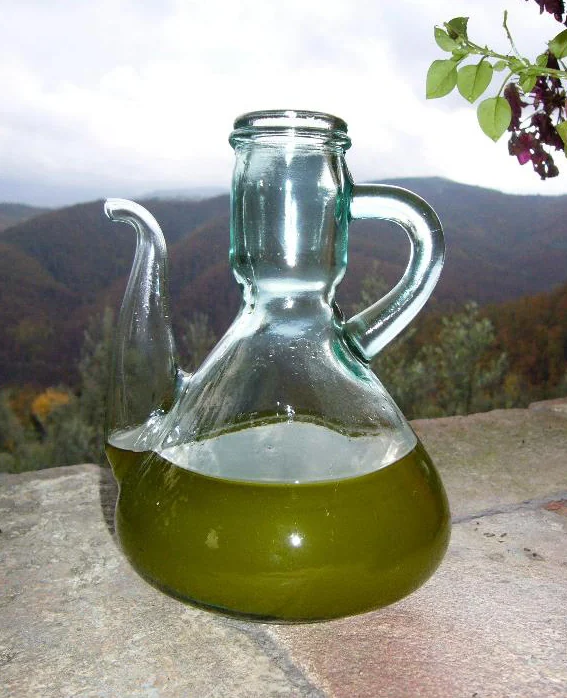
Photo: Monica from Anghiari (AR), Italy · Wikimedia Commons · CC BY 2.0 · Resized and converted to WebP.
Three sensations to notice
The regional description of Olio di Puglia PGI combines olive fruitiness with varying bitterness and pepperiness. Aromatic references include grass, leaves, fresh almond and artichoke. Cultivars, growing conditions and processing help explain why different oils do not taste identical.
Sources: Regione Puglia — Olio di Puglia IGP
Follow Coratina from tree to mill
The Coratina PAT profile concerns Bari and Barletta-Andria-Trani. It describes leaf removal, washing, crushing, separation and bottling; its aromatic profile includes fresh grass, artichoke and almond, with bitterness and pepperiness. Processing offers a different perspective from packaging alone.
A tasting in three stages
Begin with two oils without bread or seasoning: smell, taste a small amount and notice the sensations. Then return to both with identical bites of bread. For each sample, note one aroma, the intensity of bitterness and how long pepperiness lasts. This compares preferences rather than providing a professional certification: the aim is to understand which oil you want on your table and why.
From tasting spoon to plate
For the next comparison, choose a simple base: pulses, a vegetable or toasted bread. Divide the same dish into two small portions and change only the oil. Ask which pairing keeps the ingredient clear and which transforms it more. Recording a specific use also helps with buying: the oil you prefer alone may differ from the one you want in everyday cooking.
Andria, Bisceglie and a purposeful stop
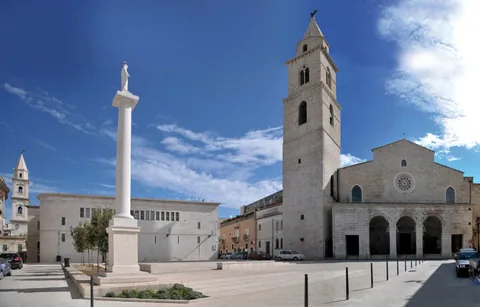
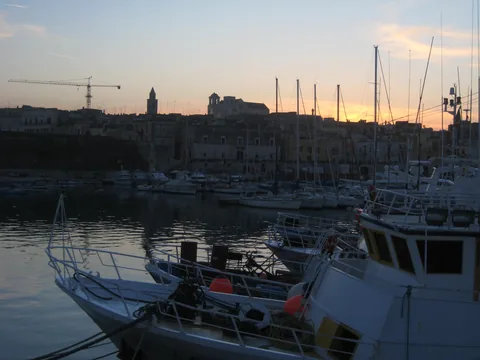
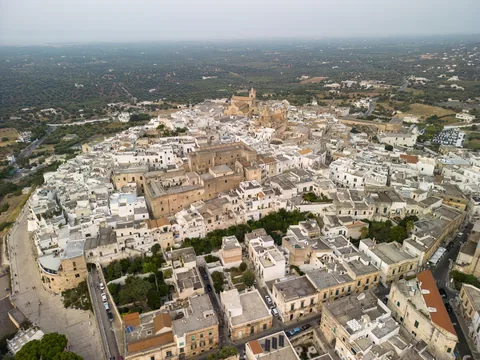
For a route, choose Andria as the centre of the oil theme and Bisceglie to connect countryside with town. A food stop can sit between two walks, allowing time to relate what you saw to what you taste. If continuing towards Ostuni, keep the comparison open: asking about variety and origin at the next tasting prevents the whole region being treated as one flavour.
A thread for your journey
Journey idea: Andria and Bisceglie with one comparative tasting, followed by dinner using one oil on a simple dish. The day’s thread moves from landscape to processing and finally to flavour.
Talk to us