APULICA / Stories, people and traditions
San Nicola: stone, relics and encounter
The basilica joins architecture and devotion: distinguish the periods of its objects and the relationships that continue to animate it.
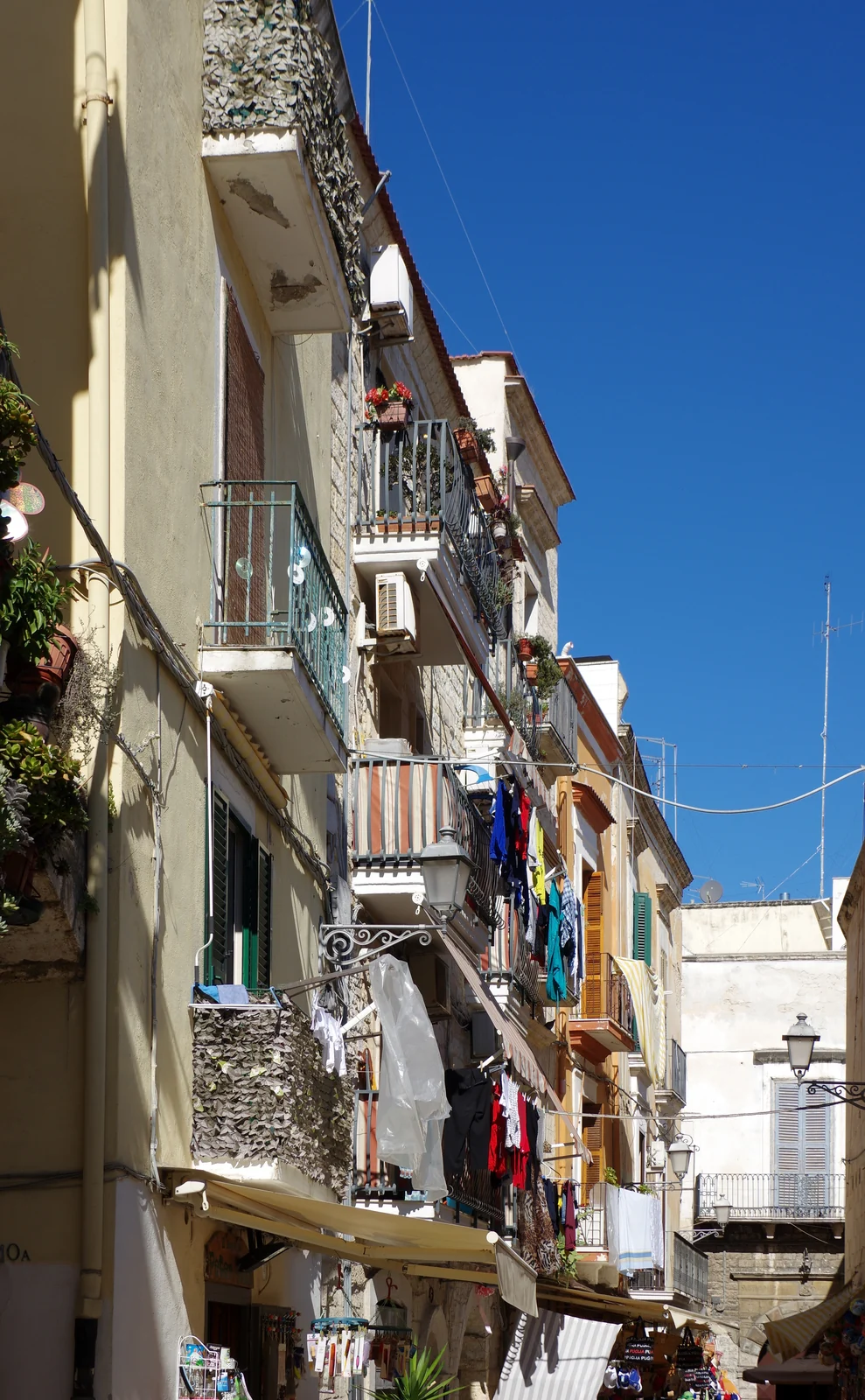
Photo: Berthold Werner · Wikimedia Commons · CC BY-SA 3.0 · Resized and converted to WebP.
Place and history
The basilica preserves Saint Nicholas’s relics in its crypt. Abbot Elias’s chair, the silver altar and Bona Sforza’s mausoleum reveal different periods. Alongside Catholic devotion, the site also welcomes Orthodox believers.
A way to recognise it
The arrival of the relics from Myra in 1087 prompted construction supported by Abbot Elias and the citizens. The Romanesque basilica therefore tells a story of movement across the Mediterranean, rather than merely the history of a Bari building. Pilgrimage remains part of its identity; the Archdiocese also recalls John Paul II’s ecumenical visit to the saint’s tomb. For visitors walking through the old town, this perspective explains the coexistence of languages and devotions: a place rooted in its neighbourhood and connected much further afield.
Romanesque form and later layers
Begin with proportions, light and the relationship between aisles and movement. Then look at individual objects: a chair, altar and funerary monument belong to different periods and functions. Relating them reveals layers. Two understood details can offer more than photographs without a sequence. A useful first question is where the eye is directed and how devotional spaces differ from their surroundings.
The crypt and time for reflection
Relics change how the building is encountered. Separate observation from a moment of quiet attention, treating reflection as part of the visit. Devotional and artistic interests can raise different questions in one space. Outside, Bari’s Mediterranean connections provide another thread through people, languages and destinations. A slower rhythm can make this chapter more memorable than a hurried stop.
From basilica to lanes, keeping the thread
Continue through the old town, comparing a major building with the small spaces around it. A square opens the view, a lane narrows it and a threshold introduces another use. A meal can turn attention towards everyday gestures. Choose between a quiet architectural journey and a celebration documented for a particular edition: these experiences may have quite different rhythms.
A thread for your journey
Separate time for studying the architecture from time for reflection. The relationship between the basilica and old town invites a slow walk attentive to neighbourhood life.
Talk to us